Tone matters more than a finished sentence
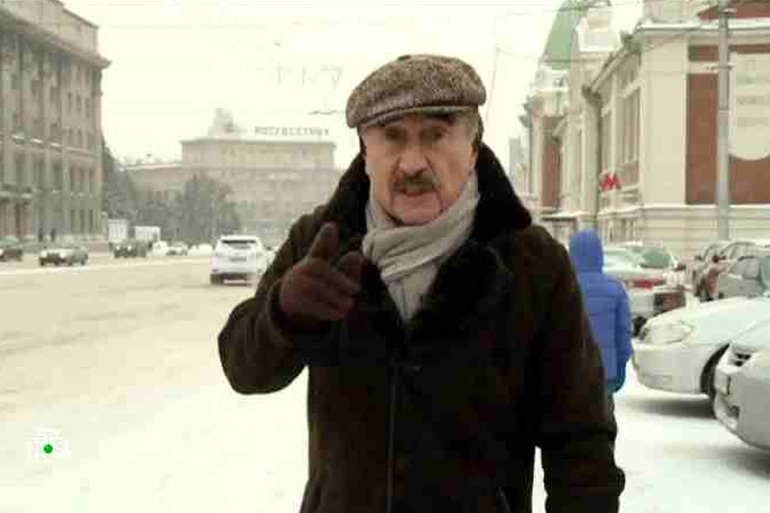
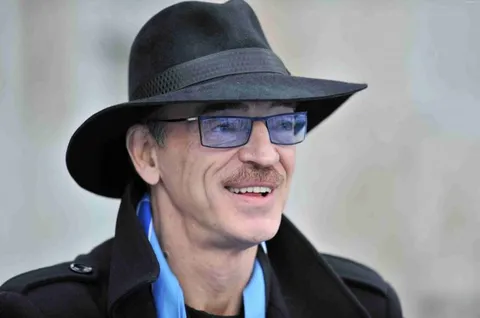
At the center of the image is Leonid Kanevsky, host of a documentary program about crimes of the past. His on-screen persona is tied to an unhurried delivery, pauses, and dramatic storytelling. In the picture he stands on a street in a hat and points to the side; this does not mean he actually says the phrase placed next to him in such a scene. The meme uses the narrator's recognizable intonation, not a documentary transcript.
The phrase is deliberately left unfinished: "Nobody, of course, knows anything about…" Thanks to the pause, the audience supplies the verb or the hidden subject of the conversation themselves. The continuation is usually obvious from the situation: nobody saw, heard, touched, or knows anything. Evasive denial becomes funny when all the participants already understand what happened but keep up an appearance of innocence.
How the shared-secret effect works
The humor arises where formal denial meets obvious awareness. The first part of the caption sounds confident and almost official, while the cut-off leaves the viewer to finish the sentence. That is why the template fits naturally in a group of friends, a family chat, or a work team where everyone shares a history. It does not have to depict a crime: most often it is about a harmless broken agreement or collective forgetfulness.
An office version: "Who moved the meeting to eight in the morning? Nobody, of course, knows anything about…" The reader fills in the confession, and the serious tone makes a petty organizational mishap look like a carefully hidden affair. For a neighbors' chat you could write: "Who took the last free washing machine slot? Nobody, of course, knows anything about…" The caption leaves room for recognition without accusing a specific person.
A few original uses
In a game, the meme can go next to a situation where the team agreed not to give hints, but everyone sent a hint to the chat at the same moment: "Nobody, of course, gave any hints…" At home, it can be the story of a shared dessert that vanished before the guests arrived. In both examples it is important that the group of readers already knows the context: then the unfinished phrase becomes a collective wink rather than a riddle without an answer.
There is also a gentle self-ironic version: "When asked who opened the fridge looking for a dinner idea. Nobody, of course, found anything…" Here the pause refers to a useless action, not a secret offense. If the phrase is finished, the joke can still work, but it loses the reader's participation: the strongest effect comes from a short break right after words that already set the direction of thought.
Tone, accuracy, and the limits of the template
Use the image where you can joke about shared awkwardness without real harm. Its cinematic seriousness contrasts especially well with everyday trivia. An ellipsis or a long dash is fine in the caption, since they visually mark the pause. However, do not invent a specific statement for Kanevsky or pass off a street photo as a frame from an investigation unless that is confirmed separately.
The meme can sound like an accusation, so for sensitive topics choose a neutral subject and do not aim the joke at a vulnerable member of the group. If it concerns a real offense, it is better not to use the template instead of speaking directly. Its strength is a safe convention: everyone understands the hint, but nobody has to take the caption as a factual report of an event.