An aesthetic older than its name
In English, "old money" means wealth passed down within a family from generation to generation. In the early 2020s the phrase also became a label for a visual style: clean silhouettes, muted tones, classic shirts, sweaters, blazers, country houses, and sports associated with privileged circles. None of these things were invented online. In 2023 the digital trend simply repackaged older ideas about "preppy" style and upper-class clothing under a convenient name.
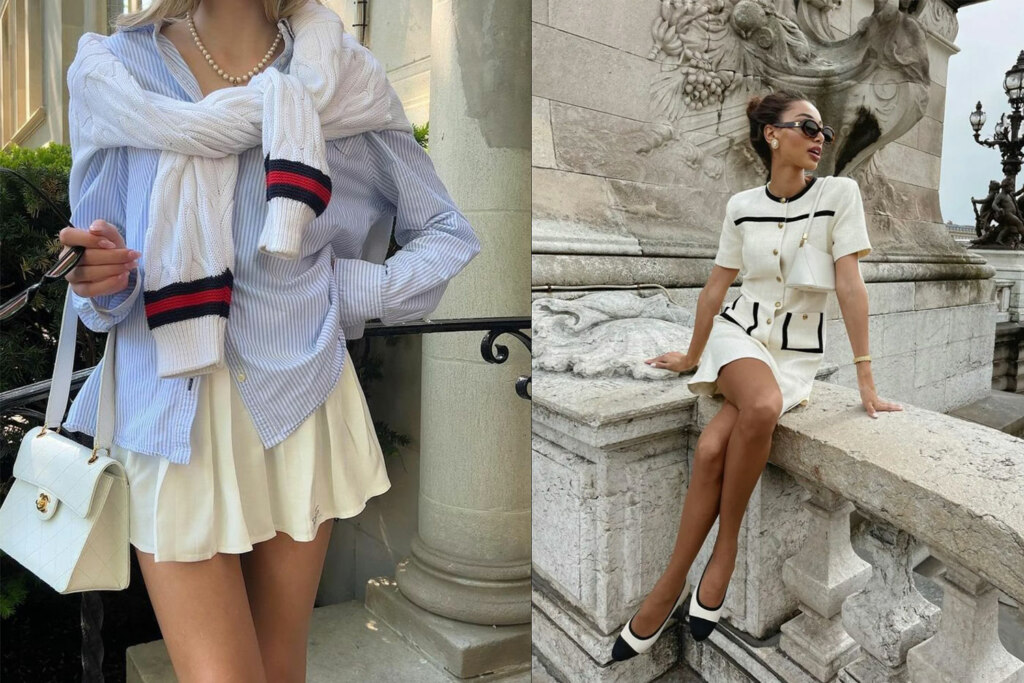
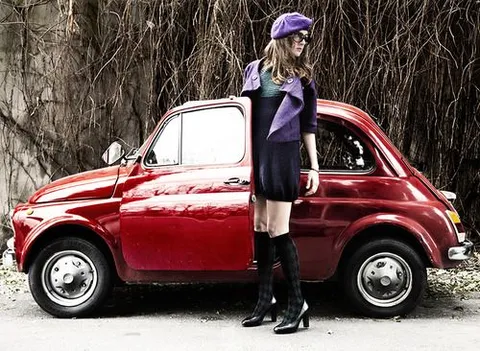
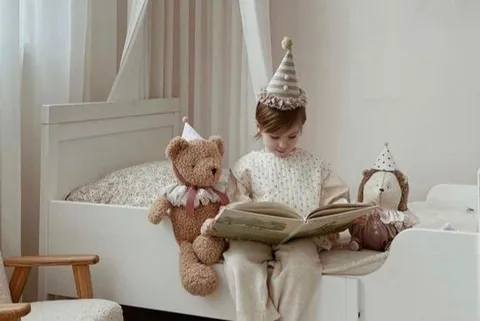
The collage in the catalog shows several ready-made outfits in light tones with understated details. It works as a mood board, not as a documentary portrait of any real family. Videos and images tagged #oldmoney often mix clothing, posture, interiors, and leisure: together they promise not just a wardrobe but an imagined life free of everyday rush. That is why the trend quickly became material for parody.
It is important to separate this look from verifiable, real-world wealth. A classic blazer does not make anyone an heir to a fortune, and a yacht video does not prove a family history. The aesthetic offers recognizable status signals; memes show how easily those signals can be copied or played with.
Between quiet luxury and theater
Old money often overlaps with "quiet luxury" and "stealth wealth" but is not limited to them. Some videos stress plain clothing without big logos; others show country estates, family history, and the habits of the elite. So one term covers both a wardrobe and a whole life script. That flexibility is useful for jokes: you can argue not about how much an item costs but about how convincingly it fakes inherited ease.
The contrast produces captions like "old money on a student stipend: a linen shirt and tea in a nice cup" or "family tradition: keeping every cable in a phone box." This does not mean classic taste is funny in itself. What gets mocked is borrowing a ready-made biography through a couple of items or a showy pose. Conversely, if someone simply likes a calm, understated style, there is no reason to assume they want to look rich.
Why the trend gets discussed
The aesthetic makes class signals visible and easy to fit into a short video: clothing can be shown in seconds without explaining its price or origin. There is an appealing fantasy of stability, free time, and things that seem to last for years. But the look often rests on a narrow set of cultural markers and idealizes a life built on privilege. Memes mock the gap between an accessible visual image and the inaccessible conditions it grew out of.
For one audience, old money is advice to wear restrained silhouettes and choose quality items; for another, it is a parody of attempts to turn clothes into a pedigree. Both readings can coexist. The meme itself does not decide how "authentic" the style is; it asks what people are really trying to show: habit, taste, wealth, or their own version of movie-style luxury.
How to make a caption sharper
Come up with a gap between pretension and reality: "my country house is an armchair by an open window," "family heirloom: a sweater my grandma gave me ten years ago," "old money summer holiday: a free tour of the old park." A caption should point to one specific signal rather than retell the whole style. If the frame shows several outfits, you can set them against an everyday alternative or slightly exaggerate the pose.
Use the format with care: "old money" is not an ethnic or family trait of the people in a photo unless the context says so. The collage shows a visual direction and does not document the income or background of the models. The sharpest joke targets the attempt to perform status through recognizable details, and it keeps clothing, wealth, and biography distinct.