Orange puppet with a face that says 'I lived through this'
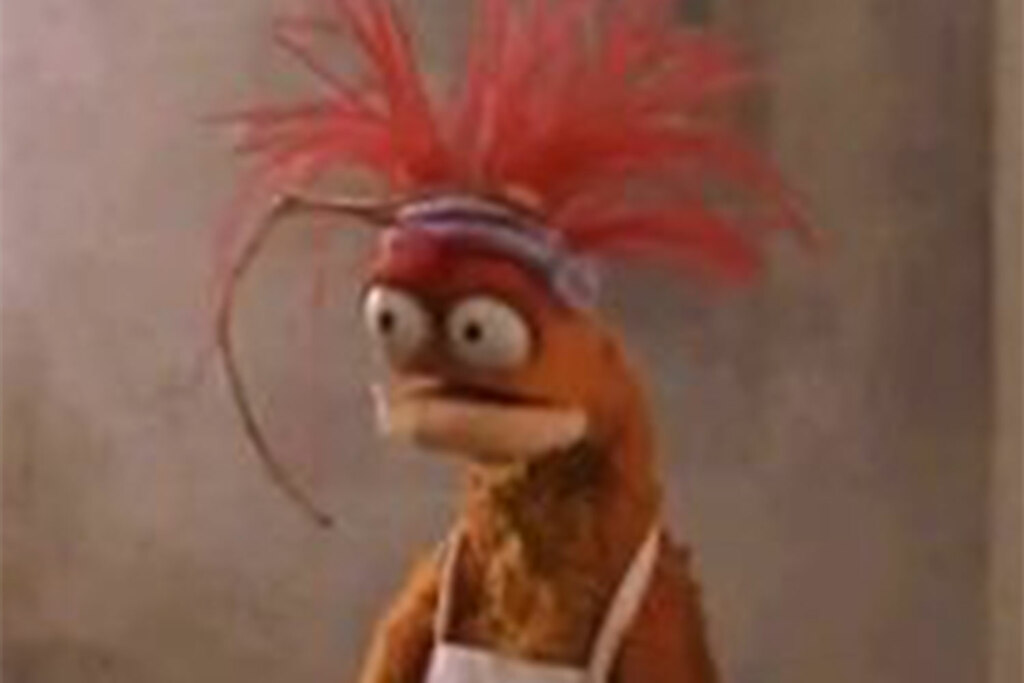
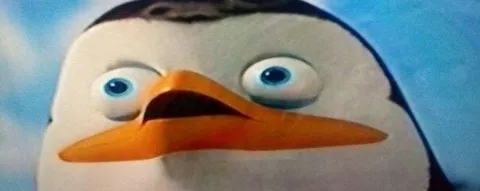
The image shows a large, heavily pixelated close-up of an orange puppet character. He has tousled red-orange hair, wide-open eyes, and a slightly open mouth. His gaze is directed slightly to the side, so his face reads simultaneously as bewildered, tired, and ready to recount what happened. This is already a separate meme frame, not a photograph of a real person.
The character's name is Pepé, in full Pepé the King Prawn. He belongs to The Muppets and first appeared in the TV show Muppets Tonight in 1996. The Russian title calls him a 'royal shrimp', but his official English name is King Prawn, and the character himself jokingly corrects people who call him a plain shrimp. He has nothing to do with Pepe the Frog: only the name is shared.
How a frightened look became a frame for stories
Late in 2024, the frame with Pepé spread in short videos as a backdrop for personal stories. One early format began with a caption about why the author was delayed, accompanied by calm background music. Then the image was paired with a solemn choral version of 'Like a Prayer' used in the Deadpool & Wolverine film. Serious musical buildup made even an ordinary confession sound like a dramatic revelation.
The wave gained momentum when people began laying out awkward stories across multiple captioned frames. The author doesn't have to appear personally: Pepé's expression becomes the mask of a narrator who is ashamed or still doesn't believe everything really happened. This kind of editing leaves a pause between parts and lets the story gradually become more ridiculous.
From one confession to a chain of accidents
The format became better known through stories in which a small mishap drags several consequences in its wake. For example, actress and short-story creator Megan Chakalos told how a homemade olive-oil hair mask ended in a fall and a night-time scare over a security alarm. This is her personal story, not a mandatory meme plot. Other authors shared their own awkward episodes, sometimes in several parts.
Pepé doesn't have to look frightened because of something truly scary. Often funnier is a story where everything started with a trifle and the hero then complicated his own situation. The more confidently the narrator leads the viewer to the next turn, the more noticeable the mismatch between the scale of the narrative and the mundane reason.
Why the choral version of 'Like a Prayer' specifically helps
High choral voices and increasing solemnity create anticipation of something important, almost redemptive. On screen at this moment something absurdly awkward might appear — for example, a failed attempt to make an impression. Serious musical scoring doesn't ridicule the narrator directly: it's as if giving his misfortune an epic scale, which is why the viewer hears the irony.
The frame itself is universal, so meaning is set by text. If you only tell the outcome, the viewer won't see how a trifle grew into a problem. Several short stages are usually clearer than one long paragraph, but the number of frames is not a rule: it's enough to maintain a pace where each new turn actually adds something to the story.
Examples of short stories with Pepé
'Decided to take out the trash before bed. Found a package at the door. Went for scissors. Ended up falling asleep in my jacket with a box on my lap.' A sequence of small decisions builds up the absurdity.
'Wanted to quickly reply in the family chat. Sent a voice message to the wrong chat. Now relatives are discussing my pizza order.' The humor rests on a simple mistake and unexpected audience.
'Bought a plant to add coziness. A week later I'm reading it the weather forecast and apologizing for the draft.' Here a serious tone makes excessive care sound like a confession in a big drama.