An old rhyme and a new video
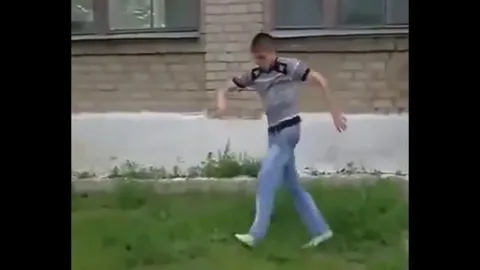
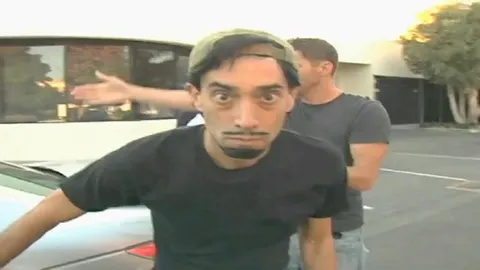
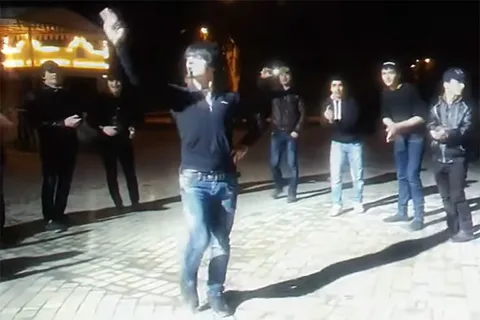
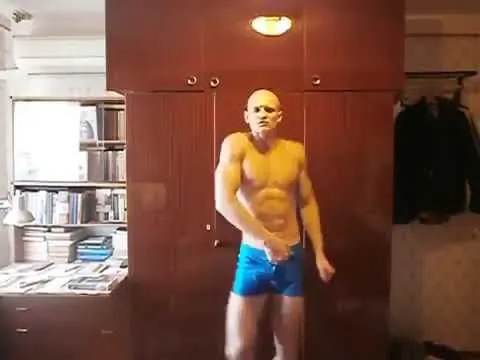
The title goes back to a jokey rhyming song, whose variants circulated orally and online long before the current video. The song has no reliably established author or single final version; later copies of the text often differ. The viral visual version appeared when a short video showed a man dancing to an energetic delivery of the line. Viewers began sharing it as a reaction and then laid other tracks and captions over the clip.
Popular posts date the new wave to around 2021 and give the performer the nickname MC Gorynych. This name should be treated as an online label for the character until his identity is confirmed. The origin of the old rhyme cannot be attributed to him: the song existed in different variants earlier. The most accurate description separates the long-standing text from the specific dance video and the later musical edits.
Sea trouble turns into a dance
The words promise almost adventurous danger: the sea, the wind, a damaged mast. But instead of a shipwreck, the viewer sees confident, even festive movement. This dissonance turns potential alarm into an absurd routine. In short clips, the line can serve as an intro, after which a dance, a trip montage, or a story about how a plan went wrong begins.
A repeated rhythmic line matters more than the literal meaning of each word. It is easy to adapt to a road video, vacation footage, or a montage of everyday mishaps. However, one should not quote the long obscene versions of the song that appear in older retellings: the meme is recognizable without them. If the clip is styled as a musical remix, don’t present the edit as an original recording, and consider music rights for commercial use.
Ideas for new captions
“The navigator said ‘in 200 meters,’ yet the same store has come up for the third time” gives a heroic tone to a route that simply went astray. “When colleagues promised to quietly close a task, and five more edits got added to the project” turns office chaos into a storm. In both versions the sea rhyme underlines an overly cheerful reaction to a complication.
For a summer clip, you could write: “We were sailing the sea — turns out it was the ice cream line.” Here the literal expectation of adventure collides with an everyday scene. Another example: “The wind was tearing the mast, and my umbrella folded at the first bus stop.” A good caption keeps the motion and rhythm, requires no knowledge of the song’s whole story, and does not attribute the old rhyme to a specific author.
How to put together your own version
Choose a frame with clear motion or a chaotic situation: a dance, a road trip, a failed tent setup. The line works better as a musical intro than as a long explanation over the picture. You can keep only one line and then give a visual payoff. If you use a new track, make sure it can be posted on your chosen platform; a short viral fragment does not mean a free license.
Don’t mock the real performer for appearance or movement style: the humor lies in the combination of the old rhyme, confident delivery, and unexpected context. If the clip’s source isn’t established, phrase the story carefully: “a viral video of a dancing man,” not a confident biographical description. This preserves the cultural memory of the meme without creating a false legend of priority or authorship.