Portrait from an interview and the fragment's new life
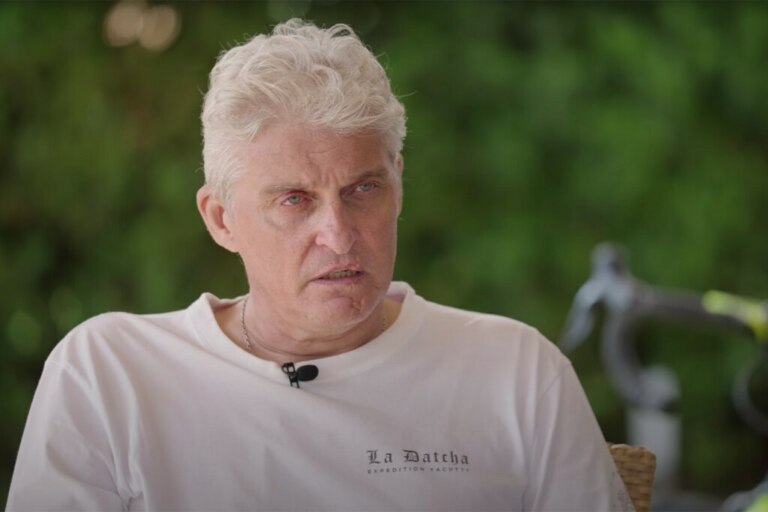
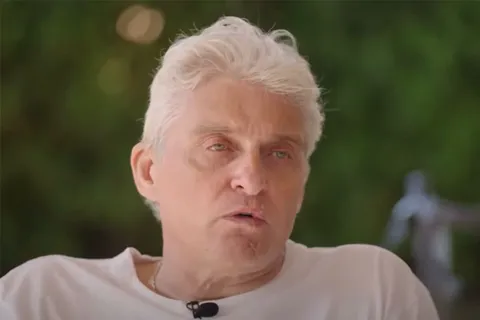
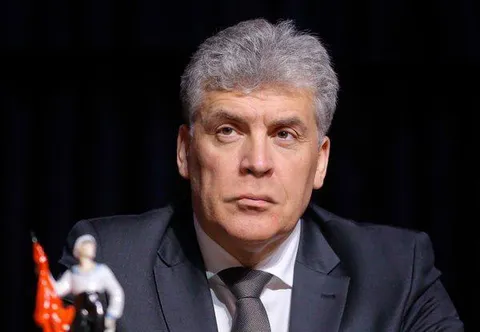
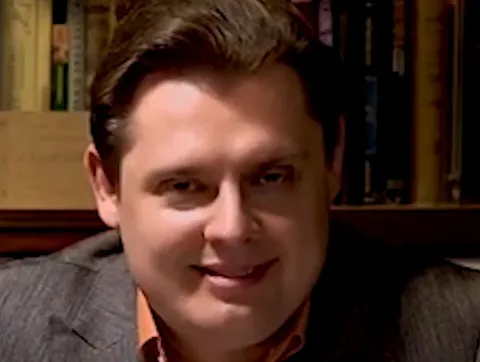
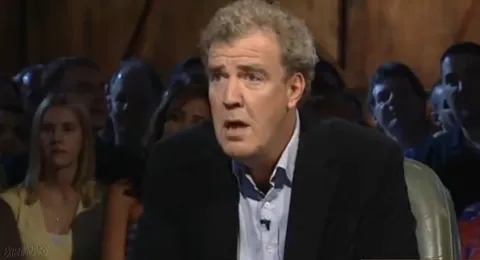
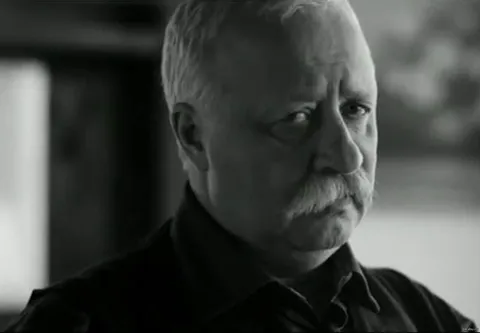
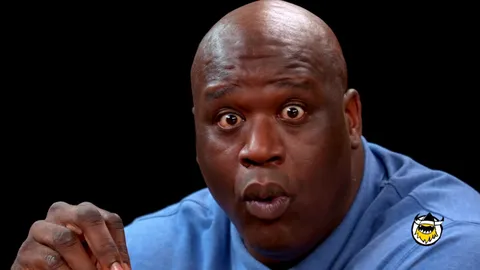
On the local image, Oleg Tinkov is photographed in a white t-shirt in close-up. The meme versions of this photo were linked to the entrepreneur's video interviews and his sharp, confident judgments. In 2023, short fragments with his appearance began circulating on social media, and viewers started using his face as a reaction to all kinds of everyday decisions. The picture contains no caption or exact episode title, so a quote should not be invented and attributed to this frame.
The portrait works as a ready-made "verdict" tone. The reader expects the character to now approve or criticize what he sees, although the actual image may contain neither gesture nor text. A new caption creates this role. In this sense, the meme is not an exact transcript of an interview but a user's reaction that employs the public image of a person known for his direct manner of speech.
Harshness as comedic contrast
A stern face is funny when the caption beneath it describes a small mistake or an overly bold decision. For example, a character is about to put pineapple on pizza, sends a file without the attachment, or buys a third identical notebook. The portrait seems to deliver a serious verdict, although the situation doesn't require expert evaluation. The mismatch makes the reaction hyperbolic.
Another way is to use the meme for self-irony. The author shows their own choice, and the image seems to judge it from the side. This lets you acknowledge a mistake without lengthy justification. However, don't place the photo next to accusations or serious political statements without context: viewers may perceive the caption as Tinkov's own position, although it was created by a user.
Examples without someone else's quotes
For a work chat: "Sent a draft as the final version because the file name contained the word FINAL." The portrait becomes a reaction to one's own decision, not the entrepreneur's actual review. For a family situation: "I said I'd buy bread on the way back and returned with three types of cheese." This example uses mock severity and a harmless everyday trifle.
For studying you can write: "Opened the lecture five minutes before the test and decided I was prepared enough." Or for the team: "We named the button 'Next,' but it closes the app." A specific situation makes the caption fresh, and the image adds a comic verdict. Don't take crude formulations from the interview just for recognition: your own phrase is enough to convey the tone.
How to separate the meme's judgment from real opinion
The template is appropriate for reacting to a strange decision, one's own self-confidence, a small failure, or an unexpected purchase. It's better to direct the harshness at the author's action rather than at another person's appearance or personal qualities. If the caption describes a real public topic, clarify that this is a meme interpretation, and don't pass it off as the position of the depicted person.
From the photo, it's impossible to establish which specific interview was the source of this file, what verdict Tinkov is pronouncing, and when the frame was taken. Don't invent an exact date or quote. Available publications link the meme wave to interviews and conversation clips, but individual pictures could have been created later. Separating the image source from the new caption preserves factual accuracy and doesn't fabricate statements.