The frame and the phrase
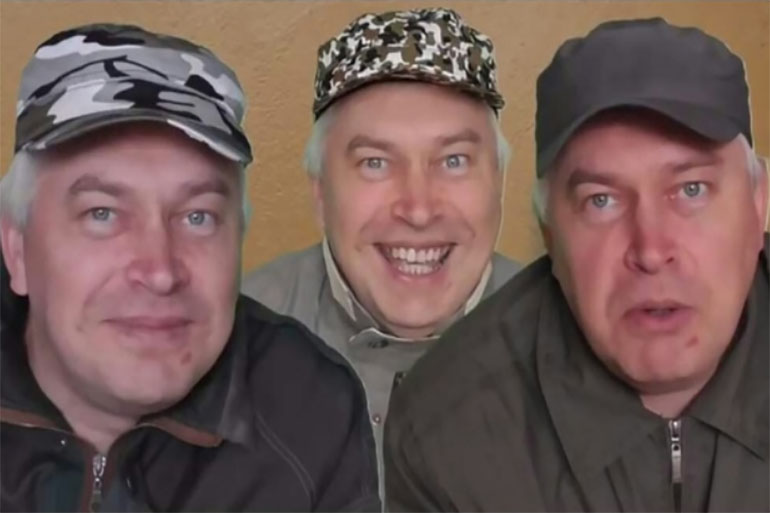
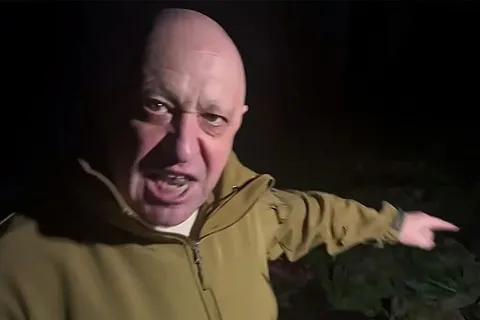
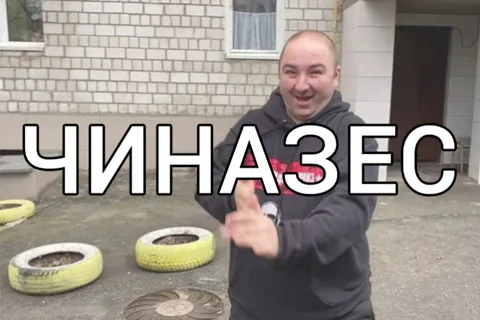
The image shows three male figures against a yellowish background. On the left is a man in a gray camouflage cap and a dark jacket; in the middle, in a spotted cap and a light shirt, a man smiles broadly; on the right, a man in a dark gray cap and an olive jacket. The faces look so alike that it appears to be a triple montage of one photo. Where the frame comes from and who is in it could not be established, so the person will not be named here.
The text part is a question posted on Twitter in early February 2021: a user writes that you are alone in a room with three men but feel safe, and asks who they are. It is not a pure joke but a question form, and respondents added their own answers to it.
How the question turned into a template
Judging by materials about that Twitter discussion, the answers varied: some named relatives and friends, others named actors and historical or fictional characters. Some replies were self-ironic, others sincere, since the question touches a real sense of safety and cannot be reduced to a single joke.
What became the meme is the structure itself: “You’re alone in a room with three … — who are they?” People slot in plot brothers, a trio from a film, members of a band, or simply three identical characters. A picture of three variations of one face adds a visual twist: “they’re all the same, you’re safe,” or the opposite.
Where the joke stops
It is important to tell the question apart from a joke built on it. The original discussion is tied to women’s safety, and it is better not to use the meme to mock real fear. Successful variants work in different territory: fictional trios, game and movie heroes, wise mentors. Then the theme stays within the frame of “I feel calm with these people” rather than “I’m scared.”
Mechanics: why the trio works
The number three sets a rhythm: two characters are a pair, three is already a team, and the viewer immediately looks for a division of roles in it: the smart one, the strong one, the funny one. Captions win when the picture confirms the choice: the three men here share one face, so the image itself jokes that there is nothing to choose from. The pause between the question and the picture-answer makes the format clear within a second.
Made-up captions
“You’re alone in a room with three men, but you feel safe. Who are they? — The Three Musketeers.” A classic example: the caption instantly gives a familiar trio, and the words “all for one” turn safety into a motto.
“You’re alone in a room with three creditors, but you’re calm. Who are they? — Me, in different apps.” The joke moves the subject to everyday life and shows that the danger exists only in the imagination.
“You’re in a room with three cats, but none of them meows. Who are they? — Cats after feeding time.” A contrast between the expected noise and real calm.
“Troe iz larca, odinakovy s litsa” (“Three out of a casket, all with the same face”). A Russian folk rhyme that hardly needs the question: a frame with three similar faces answers it on its own.
How to use it
The picture is handy when you want to show an “identical trio”: brothers, colleagues, matching opinions. Keep the caption short, and do not use it to mock real people and the fear they have lived through.