Two values in one phrase
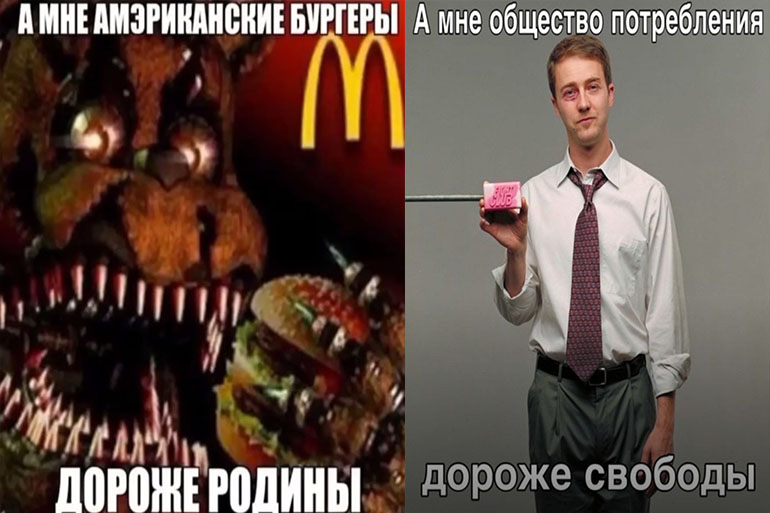
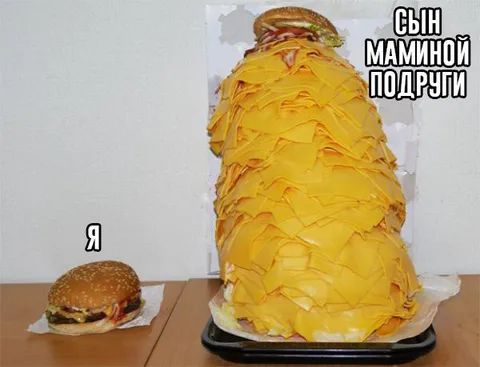
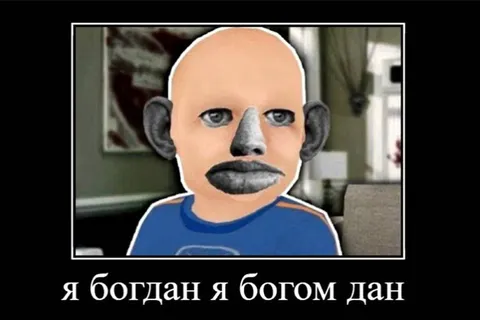
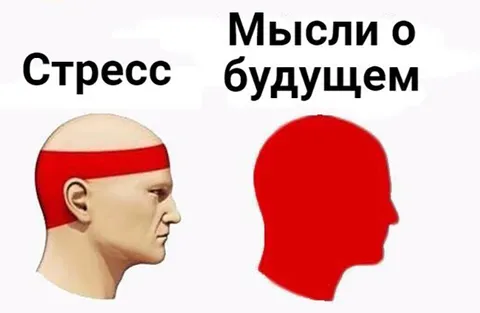
The meme rests on a single construction — a character plus a caption following the formula "X matters more to me than Y," where X and Y are swapped out for activities, objects, relationships, fictional characters or habits, as in the examples below, where five extra minutes of sleep turns out to matter more than a perfect schedule. The word "matters more" can be read as financial value, emotional importance, or simply something a person isn't willing to give up. The unexpected comparison makes the stance both categorical and comic.
The template often uses a character whose expressive look reinforces the declarative tone. They seem to announce a personal choice without explanation. Sometimes it's genuine attachment to a small thing; sometimes it's a parody of an argument where someone ranks their priorities far too seriously. The same formula can express either tenderness or absurd stubbornness — it all depends on the chosen X and Y.
From a local image to a swappable template
Early versions of the phrase spread in Russian-language communities in the fall of 2022, and widespread use of the formula became more noticeable later, in 2023. Some posts link an early version to a character from the game Five Nights at Freddy's; later versions carried the words over onto other faces and images. It's important to distinguish the original local post from the template, which has since broken away from its first protagonist.
A swappable formula can have several first versions: users forward screenshots without dates, change the caption, and keep only the structure of the comparison. So the exact author of each remix branch is often not established. It's more reliable to describe the recorded early examples as part of the spread rather than confidently assigning a single creator to the whole format.
Why disproportion is funny
The audience usually assumes a pair will compare two things of the same order — one luxury item against another, or an important plan against an alternative. The meme breaks that expectation when X turns out to be a small everyday pleasure and Y is something socially considered significant. For example, a character might prefer an evening with a favorite game over a long-planned cleaning session. The disproportion turns a preference into a declaration.
The formula is also useful for self-deprecation. The author admits to choosing comfort, procrastination, or a familiar pleasure over the "right" goal. For the joke to stay good-natured, it's better to speak in the first person. If the comparison is aimed at someone else's poverty, appearance, or background, the effect can become demeaning and lose its connection to the original mechanic.
Examples of original variations
"Five more minutes of sleep matter more to me than a perfect schedule." Here an ordinary weakness is declared a value, and the serious phrasing underscores the humor. Such a caption fits a character with a confident or solemn expression.
"Home cooking matters more to me than a restaurant with a fancy presentation" is a variant about a specific taste, not a universal claim of one lifestyle's superiority. It works if the image shows a contented character and doesn't mock people who like restaurants.
"Keeping my day off matters more to me than answering a message within a minute" can be used with a scene of rest. The comparison becomes clear when both items are specific and sit within the same context: the author's own priorities.
How to make the template precise
A good caption is short, and the values of X and Y should read without a footnote. If the viewer needs a long time to figure out why the items are being compared, one of them can be swapped for a more recognizable detail. The character sets the tone but doesn't always explain the context: a neutral face lets you play with dry categorical certainty, while an emotional one amplifies the effect.
Don't pass off the suggested examples as real historical captions or early posts. They illustrate the construction and should remain original variations. If an article discusses the template's history, separate the known dates of early spread from later remixes whose authors haven't been established.