From a TV frame to a rating scale
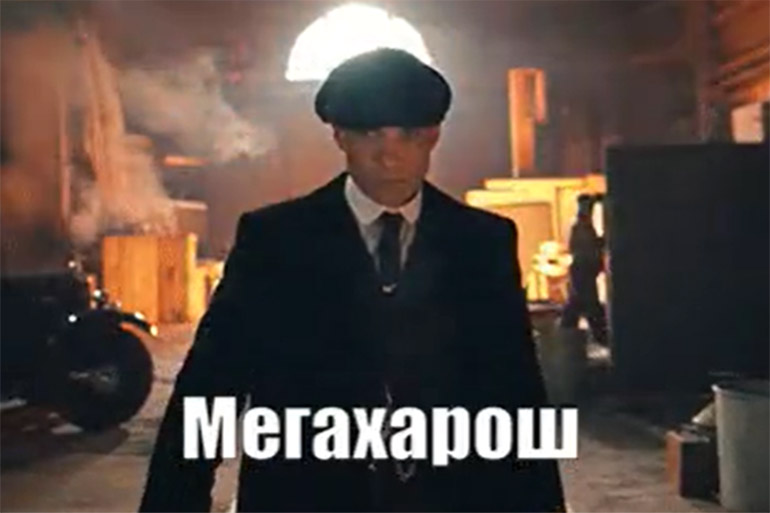
Thomas Shelby is the central character of the British series Peaky Blinders, played by Cillian Murphy. The character's restrained, confident image easily turns into a visual rating. In 2021, pictures and GIFs of Shelby started being paired with phrases like "guy's good," "not bad," "mega good," and the opposite reaction, "caught some cringe." In the image, a large caption reading "Mega good" sits above the character.
The verbal trend continued a wave of jokes popular at the time built on deliberately exaggerated praise and internet slang. The phrases were originally posted separately from the show's plot and later got applied to other characters as well. So the meme shouldn't be taken as a quote from Thomas Shelby or as an official description of his qualities. The frame supplies an authoritative look; the text adds the everyday verdict.
Approval with a touch of irony
"Good" can be plain praise, but paired with the excessive prefix "mega" it starts to sound like a parody of an overly emotional rating. The dark suit and serious face contrast with the slang word. The viewer gets a short verdict with no argument behind it: the action is either deemed worthy of respect or deliberately declared ridiculous.
Depending on context, the meme functions as support, light sarcasm, or criticism. "Mega good" can be sincere approval or hyperbole about something trivial. A comment under a genuinely impressive achievement reads differently than a reaction to an obvious blunder. This ambiguity makes the format useful for chats and quick replies.
How to rate something without being harsh
For example: "A coworker sent clear instructions on the first try — guy's good." For exaggeration: "I folded the laundry right after washing it — mega good." For the opposite rating, you can poke fun at yourself: "I opened ten tabs to find the page that was already open in the first one — caught some cringe." These examples keep a playful tone and don't turn into an attack on a specific person.
The image works well as a short comment on a GIF, a post, or an observation. You can build a whole series: "not bad" for an ordinary result, "good" for a successful one, "mega good" for something unexpectedly impressive. A negative rating is best aimed at the idea or the situation rather than at someone's appearance or personal qualities. That way it stays a reaction, not an insult.
Recognizability and the limits of the template
Early versions often used Thomas Shelby, but other characters and animated figures later took over the rating scale. This particular card is one variant, not the one definitive frame. The template's history overlaps with various viral expressions from 2021, so not every phrase should be attributed to a single post or a single show.
The frame doesn't mean Thomas actually says the caption, and it doesn't reflect the actor's own opinion. It's a user-made overlay on a fictional image. This article keeps the show's context separate from the internet slang: the character sets the visual tone, while the wording of the rating changes from post to post. The combination of Shelby's stern gaze and the casual word "good" is the same contrast that holds the whole format together: a stern frame captioned with a word never actually spoken in the show itself. The "not bad — good — mega good" scale is easy to keep extending with new degrees of praise, but it has a limit: if you keep piling on superlatives endlessly, the rating stops being funny and turns into repeating the same trick.