Tony does not share the company's mood
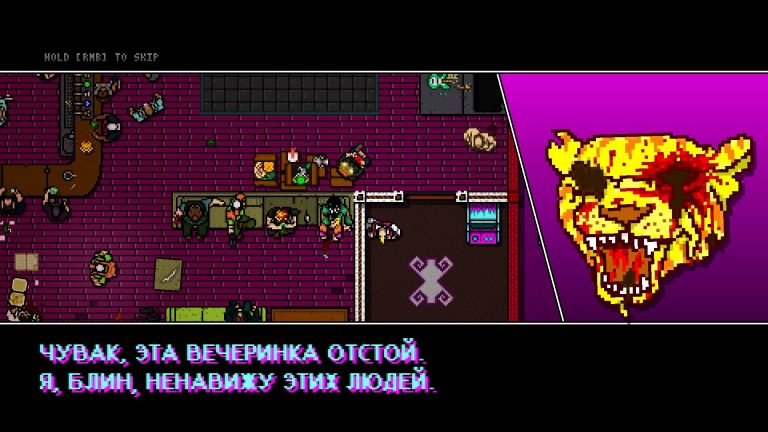
Hotline Miami 2: Wrong Number was developed by Dennaton Games and published by Devolver Digital on March 10, 2015. It continues the story of the first Hotline Miami and uses a recognizable top-down view, bright colors, and characters in animal masks. Tony wears a tiger mask. Before the first main game level, he is at a party and expresses dislike for those gathered. The line sets the shared event against his personal feeling: there is a gathering all around, but the hero does not find it pleasant.
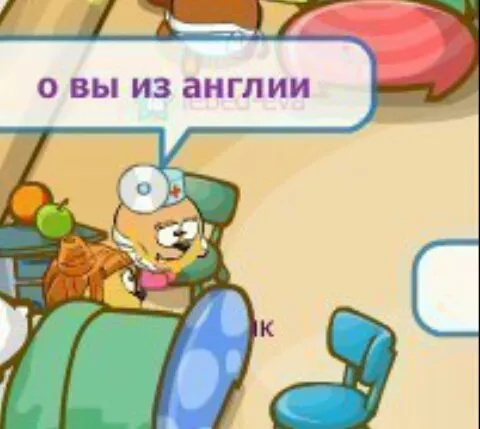
Russian-language remakes appeared soon after the game's release, in March–April 2015. The dialogue construction was overlaid on other people's works, for example a scene from Fallout 3 and fan art of “Everlasting Summer.” It turned out that Tony was judging a different company, or that his displeasure was voiced by a new character. The format persisted for several years and again noticeably resurfaced in 2018. The first known remakes show early spread but do not establish a single author for all the variants.
The room on the left, the speaker on the right
In the upper left part of the image is a pixel room with people, furniture, and objects on the floor. On the right is a large portrait of a yellow-red tiger mask on a purple field. Below, on a black background, is a Russian line saying the party is not to his liking and that the hero hates these people. This version uses the mild word “darn” instead of a stronger expletive. Above the scene is a small line offering to skip the conversation. This is a game interface, not a photo of an actor or of a person to whom a mask has been drawn.
The composition itself separates the setting from its judgment. On the left the viewer sees the place of the gathering, on the right the speaker's face, and below, his opinion. The large tiger portrait looks stern and sharp against the small figures in the room. This difference in scale strengthens the personal reaction: the general celebration takes up much space, but the words of one dissatisfied participant define the mood of the whole frame. The author of the specific Russian translation in the screenshot has not been identified.
Someone else's gathering in a familiar dialogue window
In a parody variant, the left area can be replaced with another group scene while keeping the recognizable portrait and line. Then Tony becomes an invited commentator: his reaction seems built into someone else's game, cartoon, or family event. Sometimes the speaker is changed too, with the new hero drawn as a pixel portrait. The joke works through the transfer of the interface: a familiar situation receives an unexpectedly sharp reply in the style of Hotline Miami.
The formula expresses not just boredom but a deliberate rejection of the company. The author may also exaggerate their own small dislike to the size of Tony's irritation. The cause might be uncomfortable music, an intrusive conversation, or a strange mix of participants. The reader recognizes an everyday feeling but sees it in an overly dramatic form. This is especially noticeable with a calm or cute picture on the left: the surroundings threaten nothing, yet the comment sounds as if the hero landed in a completely unbearable place.
Invented parties you want to leave
In an invented game montage, Tony lands at a meeting of characters who discuss only mandatory daily quests. Everyone cheerfully lists rewards, and his line turns the conversation into weariness from yet another list of chores. Another invented example shows a holiday dinner of robots. Each guest reports the number of their latest update, and the tiger portrait becomes the reaction of a person who hoped for at least one story not connected with software versions.
In a third invented scene, a house cat watches a gathering of owners who have decided to show each other photos of other cats. Its portrait is styled as a participant in a Hotline Miami dialogue, and its displeasure stems from the fact that the real pet was left without attention. Each example gives its own reason for irritation and a clear company on the left. So the familiar line serves as a final verdict on the situation rather than replacing its whole plot.