Source of the phrase
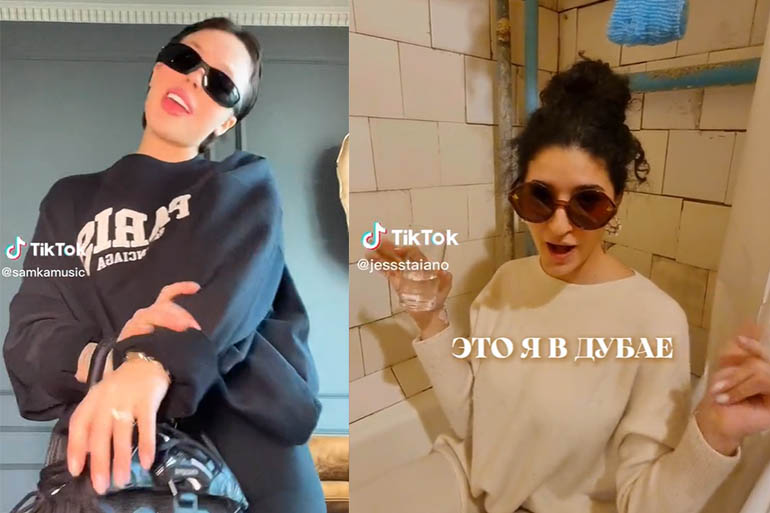
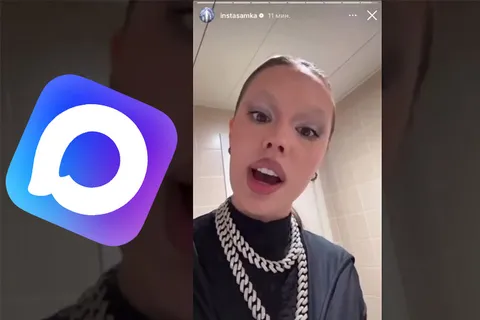
The image shows several frames from a vertical music video: the performer in dark glasses and a character next to her strike poses for the camera. The phrase comes from the song "For Money, Yes" ("Za dengi da") by the Russian artist INSTASAMKA, released in 2023. The official video records the stage persona and musical delivery; the specific caption in the image is part of the meme's use.
The song's popularity produced parody videos in which users changed the words or showed similar items and gifts. The song contains short showy statements about purchases; the meme pulls out one line and turns it into a template. The exact date of the first video with a specific bag, and its author, are not confirmed, so this article does not attribute a single script to users.
How the joke works
The phrase works as a confident explanation of an expensive or eye-catching item: the author seems to mention, offhand, who paid for it. In parodies the item can be tiny, from a bag to a food container, but the delivery stays serious. That imbalance between grand intonation and an ordinary object creates the comedy.
Other versions swap out the original item and circumstances, sometimes deliberately distorting the text. The rhythm of the short line makes it easy to repeat and to sync movements to. It is important that the meme does not prove who gave a bag to a particular person or how much it cost; it is a quote format, not biographical evidence.
Meaning and cultural reaction
In one version it is a parody of conspicuous consumption: the item is displayed as a status marker. In another it is friendly self-irony about how someone enjoys a purchase or calls it a gift. The song and the visual delivery amplify the effect of excessive confidence, which can be carried over to the most mundane objects.
Adaptations with altered words are part of fan and user creativity. There is no need to repeat the song's exact lyrics; you can retell the original joke in your own words. This lowers the risk of a new caption sounding like a quote, when the goal is simply to joke about a purchase, a sudden new item, or who paid for an order.
Examples of new captions
"My coworker bought me this thermos, and now it runs the whole meeting" suits an office photo. "Bought this new phone case myself, but I'm telling it like a family ceremony" plays on the solemn delivery without claims about a real marriage. For an unboxing: "The courier brought me the box, but I arranged the joy for myself."
In a short video you can first show an ordinary item, then pause and add its "backstory": "The design department approved this mug for me." Or try: "My landlord bought me this free shelf, and I announce it like a wedding gift." It's better to make the caption original and short; there is no need to copy a whole verse or reduce the joke to judging the relationships and wealth of a real person.
To adapt the audio you don't have to show luxury purchases: things that bring disproportionately big joy will do. For example, "The calendar gave me this day off" or "I arranged this free shelf for myself." A light exaggeration is recognizable when it is aimed at your own pride, not at someone else's finances.