The original photo
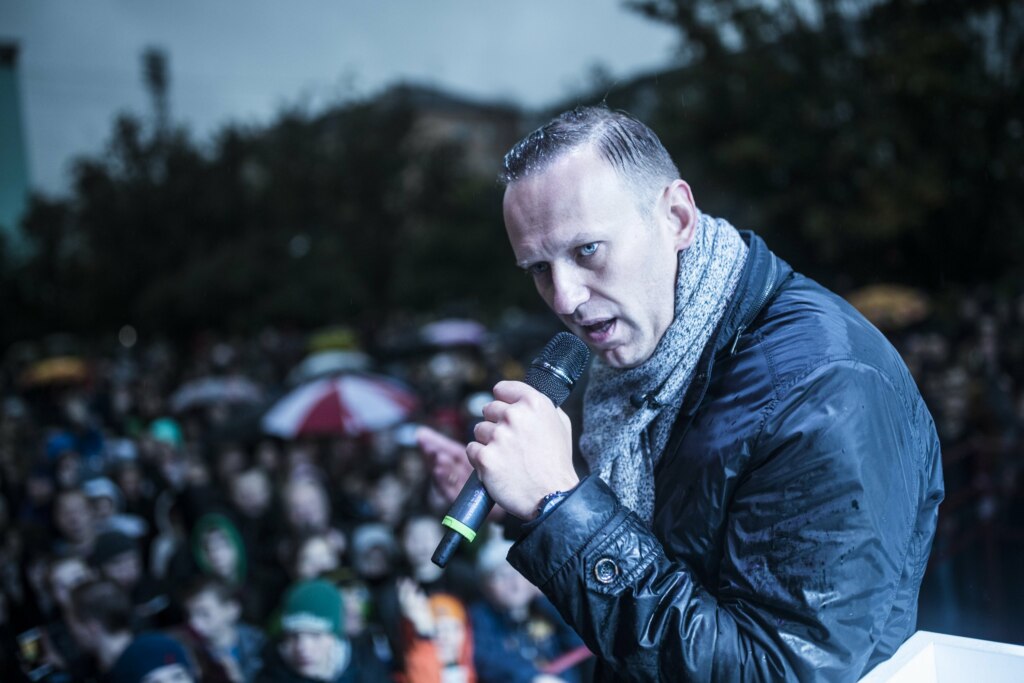
The photo shows Navalny outdoors: he's holding a microphone in his right hand, looking off to the side, wearing a dark jacket and a knitted scarf, while a crowd with umbrellas and hoods stands around him. An overcast sky and a damp atmosphere create a sense of bad weather. The meme is tied to a rally in Murmansk; the exact date of the appearance is not known.
The photograph was taken in a reportage style, without any staged elements. That's exactly why it worked so well for edits: the shot looks dramatic and recognizable, and the rain and the microphone give it a stage-like effect.
Photoshops
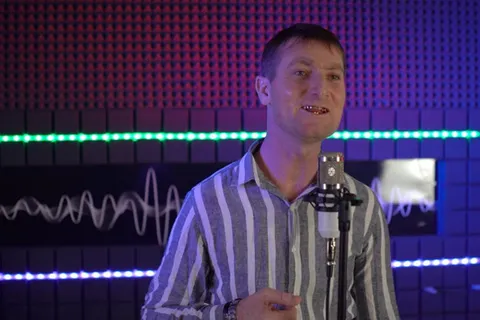
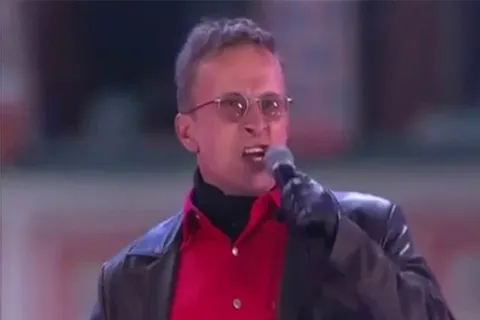
The series was built on juxtaposing the real photo with imagery from music. Among the figures mentioned is Till Lindemann, the vocalist of Rammstein, known for his stage persona and concert imagery. The edits placed the politician's face into concert settings, added stage effects to the frame, or replaced the captions with lines from songs.
This technique is common in Russian-language photoshops: a genuine photo serves as the base, while the scene is radically altered. The viewer recognizes the person while simultaneously seeing an unexpected juxtaposition, and that's exactly what creates the comic effect.
Spread
The pictures spread on social media and on sites with humor roundups. Thanks to the sharp contrast between the soaked politician and a concert stage, the edits were easy to recognize and were often shared further. Their authors included both Navalny's supporters and his critics, and the tone depended on each author's particular aim.
The database assigns the meme to 2017, which lines up with the period of Navalny's active public activity and his trips around the regions. At that time, photos from his appearances regularly spread across the web, and the edits became part of the broader visual conversation.
Political context
In 2017, Navalny was traveling to the regions, speaking at rallies, and preparing a campaign for the presidential election. His appearances drew large crowds, and public attitudes toward them remained divided. Because of this, photos from the rallies were seen both as documents of public activity and as an occasion for irony.
It's important to separate facts from interpretations: the photograph itself is documentary, while the edits express the viewpoints of their authors. An encyclopedic description should rely on the photo and the date, leaving the judgments to the reader.
Cultural context
The series is a good example of 2010s Russian-language photoshop culture, where contrast, recognizability, and a quick shift of context matter most. The meme works as long as the viewer can see the original shot and understand the juxtaposition. Without knowledge of the source photo, the effect is lost.
The theme of music and the stage underscores how photoshops often play with the image of a public figure, shifting him from the political sphere into the entertainment one. That's a typical move in internet humor, which uses familiar images in unexpected combinations.