The musical clip
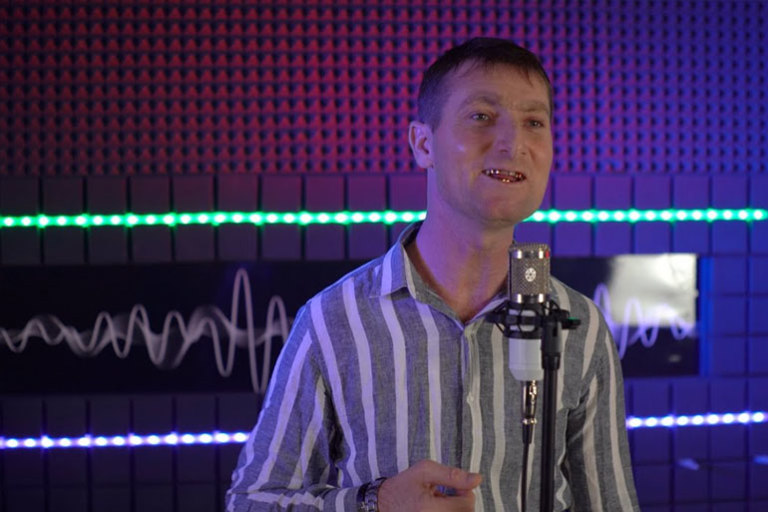
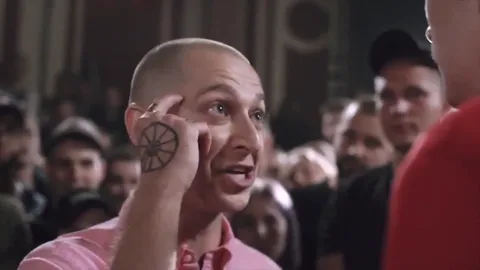
The image shows a man in front of a microphone against a dark stage background. The composition resembles a performance shot, but a single image doesn't confirm where it was filmed or whether the man is the performer of this specific recording. The main element of the meme isn't the portrait itself, but the short phrase, repeated over a rhythmic melody and easy to clip out of the song.
The words sound like a direct wish to feel good and not complicate life. Their simplicity makes the hook memorable: the meaning is clear without much context, and the repetition makes it easy to lay the sound over videos of dancing, a walk, food, or a small stroke of luck. The comedy usually appears when loud musical confidence accompanies a very minor event — for instance, managing to find a free seat on the bus.
Who performed the popular version
In early 2022, the clip quickly spread through short videos and became associated with Maga Kaif — the stage name of Magomed Magomedov. At the same time, reference publications note that the song "Kaifavat" is also linked to Azerbaijani singer Vuqar Seda. These facts shouldn't be conflated: the viral version, the performer in the popular clip, and the authorship of the original composition are separate questions.
Tracing the exact musical lineage calls for care: a user's video might use a cover, a remix, or a fragment, and the caption on a video doesn't always include proper credits. So Maga Kaif can't be considered the sole author of the song, and no biographical conclusions can be drawn from a single image. To describe the meme, it's enough to note that it was precisely this recognizable performance and the repeated hook that gave the phrase its online life.
Why the sound became a convenient template
The line "I wanna feel good, feel good" works as a ready-made reaction to a moment of relief: instead of writing text, a person simply lays this hook over their video. The rhythm aids editing — a cut can be timed to the repeated word — and the contrast between a mundane scene and the energetic hook makes the video stand out. The lyrics are easy to remember even for those who've never heard the full track.
The meme has no fixed storyline: one clip shows a carefree getaway, another an ironic escape from chores, a third a deliberately solemn "manifesto" of wanting to do nothing at all. The second tone works especially well when the person sings about joy in a completely unsuitable situation — for example, after a long wait, finally getting a hot cup of tea. The joke doesn't come from the words on their own, but from the mismatch between the energetic delivery and the modest occasion.
New examples of use
You could lay the hook over a video of someone finally closing the last tab at the end of the workday, or over a shot of the first free minute in a packed schedule. In a caption like "weekend plan: plan nothing," the repeated musical line turns a simple wish to rest into a triumphant anthem. Another variant shows someone discovering their favorite dessert in the fridge, forgotten since yesterday.
An ironic version flips the meaning: a person declares they want to feel good while a pile of unread emails keeps growing around them. Here the hook sounds like self-persuasion, not evidence of the performer's actual character. The singer shouldn't be assigned political, personal, or biographical views based on lyrics they perform. The musical phrase is an artistic image and a viral sound, not an interview.
Limits of the known history
Available accounts confirm the clip's mass spread in early 2022, but pinning down the very first publication of a specific short video is harder. The viral sound may have moved between platforms, been trimmed, and picked up different captions along the way. So it's more reliable to talk about the period of its spread than to assign undisputed authorship of the meme to a single user.
The image itself doesn't show the track's title or release information. When publishing, it's best to credit the musical clip separately from the photo and not pass off a stage shot as the cover of the original release. The story is a good illustration of how one memorable hook breaks off from the full song: the audience recognizes a few words and a rhythm, then uses them as an emotional button in new situations.