A German phrase and a dance track
The meme's name is the German phrase "Ich will nicht" — "I don't want to." In short videos, this line is linked to the dance track "Komm Tanzen" by the project Die Maschine. The contrast between the invitation to dance and the refusal creates a ready-made scene: the character tries to stay still, but the rhythm or circumstances pull them in anyway. You shouldn't assume every similar clip is the original song's video; users have made various edits and voiceover variants.
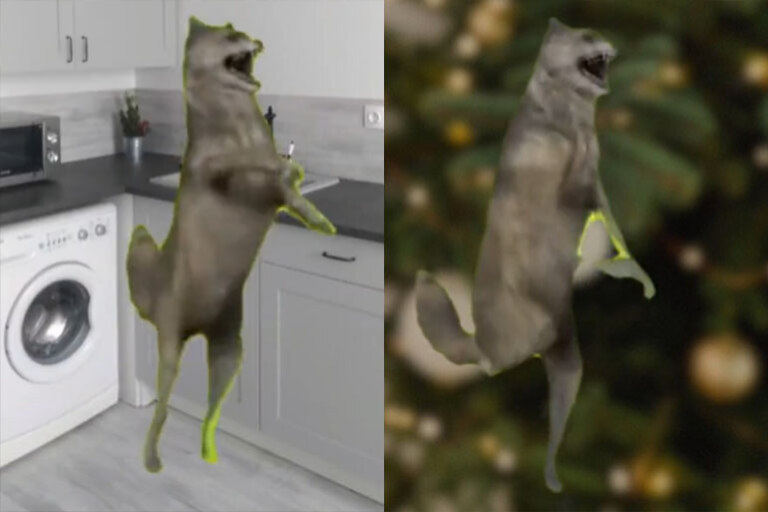
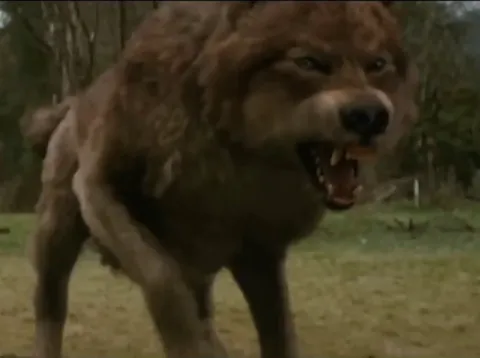
The local image shows a fluffy wolf in a dance pose. This is a visual character, often rendered in a digital or animated style, not necessarily a real wolf filmed in such a situation. The mechanical movement and slightly odd posture heighten the comedy: the animal seems to have given in to the music despite its refusal. What matters most for the meme is the contrast between the words and the body, not the specific backstory of the animation.
A refusal that can't withstand the rhythm
The joke suits an everyday scenario where someone says "I'm not going," yet ends up at the party, or opens an app "for a minute" and loses an hour, or promises not to sing along to a familiar song. The first part sets up resistance, and the movement or the next shot disproves it. If both steps are kept, the viewer gets to see the small surrender happen.
The meme can be read as a friendly admission: sometimes we end up liking what we initially refused. But the same device also works for peer pressure. So it's worth choosing a harmless situation where the refusal is lighthearted and clearly not serious. If it's about someone's real boundary, turning it into "he just hasn't found the rhythm yet" can come across as dismissive.
Captions for different situations
"I'm not going to sing this song. I'm on the chorus forty seconds later" is a direct everyday version that can be paired with a short dance move. In a work chat, this fits: "I'll just pop into a quick meeting" — then the character is still dancing among the slides an hour later. Here the rhythm becomes a metaphor for a meeting that dragged on.
For household routine, you could write: "Not cleaning to music. Put the track on and somehow already dancing with the mop." Or: "I wasn't going to do another level — the character is already jumping to the music." In every case, the second part should show how the refusal quietly turns into participation. Just dropping a translation of the phrase without a scene can lose the musical contrast.
Not mixing up the sound and the original image
The device works best exactly where the refusal cracks right under the rhythm: you opened the app "for a minute" — and now you're already swaying to yourself, like that wolf in the picture. In a static version, that break can be conveyed with two short captions in a row: "I don't want to" and "five seconds have passed." The soundtrack should be added through the platform's available library, and the track shouldn't be credited with words it doesn't actually have.
Don't claim the wolf actually says the German phrase, or that a specific animal took part in a video. Don't try to derive an exact year or the animation's author from the image if that data isn't established. Keep the original song, the translated phrase, and later visual variations separate. That keeps the explanation accurate and keeps the meme from turning into a mistaken origin story for every clip.