One question, many confessions
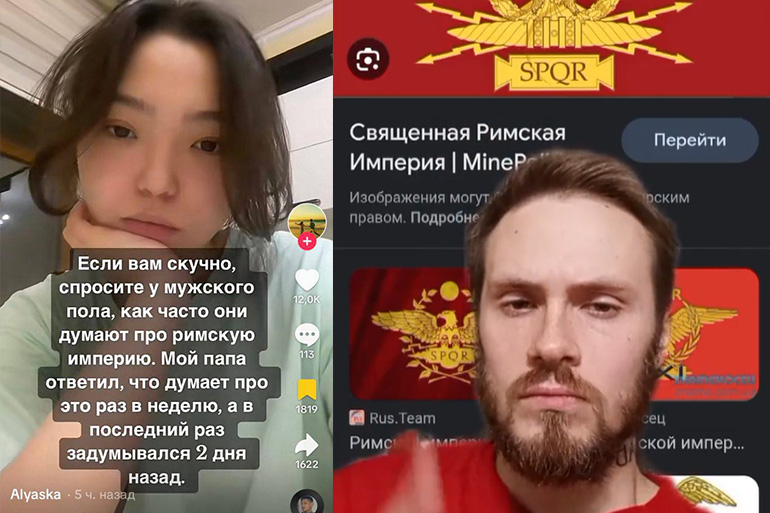
In 2023, short videos spread a question that people were encouraged to ask a man close to them: how often does he think about the Roman Empire? The answers—from "every day" to a surprised "never"—became a reason for conversations and jokes. The phrase didn't come from a textbook or a history debate: its strength lies in an everyday experiment. A person isn't prepared, hears an odd question, and quickly tries to estimate how often the topic actually comes up in his mind.
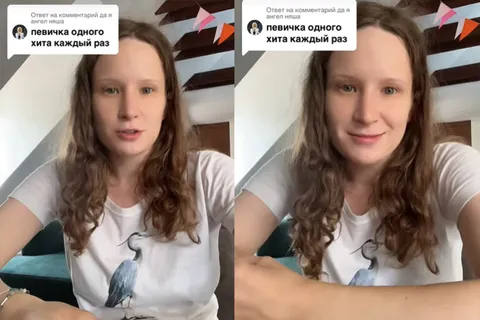
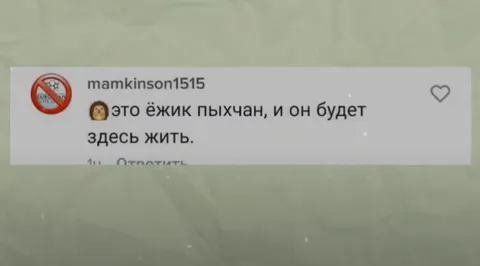
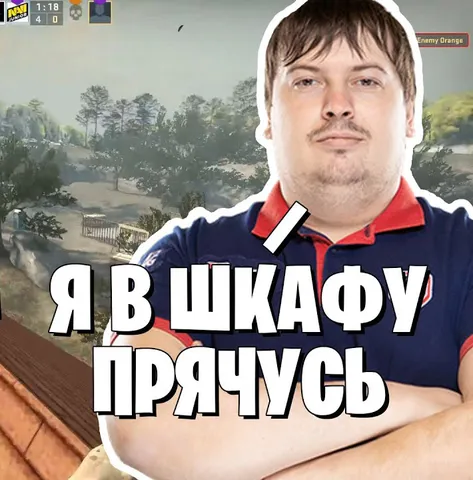
Many different videos and retellings stood behind the trend's popularity, so it is safer to describe the trend itself than to credit the whole format to a single author. Viral versions usually show the question, a pause, the answer, and the reaction of whoever asked. In a meme collection, you can read this template even without video: a caption asks the question, and an image captures the confession or the bewilderment. Ancient Rome is a handy example of one specific recurring thought, but in later variations it is replaced with a favorite game, show, or historical era.
What's the joke
The question seems too narrow to regularly occupy someone's thoughts. So the answer "almost daily" surprises and prompts the next question: why Rome specifically? For many it's a familiar image from school history—legions, emperors, roads, myths, and political intrigue; for others the reason is deeply personal, like a game, book, or profession. The meme connects a shared cultural topic with a private interest without claiming that men in general think about it more often than women do.
The format also came to mean "my Roman Empire"—something a particular person constantly returns to. In this sense, it need not be about ancient Rome: it can be a childhood episode, an old failure, a rare fact, or a travel plan. The humor appears when someone admits to a thought that comes up regularly, though others would consider it random. A good version doesn't diagnose and doesn't claim that everyone in a group is wired the same way. It shows one unexpected answer and people's curiosity about it.
Why people like to compare the answers
A short interview has a clear dramatic structure: the question is familiar from other videos, nobody knows the answer in advance, and the reaction provides the payoff. If someone says "every time I hear about plumbing," you get not just a frequency but a personal association. If he answers "I don't think about it at all until you ask," the funny part is the experience itself. Viewers test themselves mentally: what topic would come up for them without preparation? That way the question turns into a mirror of habits.
The format works for friendly teasing: "How often do you think about router settings?" — "Every time it flashes." Or about another subject: "How often do you think about that show you never finished?" — "Exactly when a new season comes out." The caption should reveal a specific reason, not just name a random subject. The word "Rome" itself isn't funny; what works is the mismatch between the scale of the question and an unexpectedly detailed answer.
How to keep the tone natural
If you use the template as a question, it's better to keep it short and let the person answer in their own words. Don't hint at the frequency you want, and don't edit the answer so that it appears to represent all men. If it's an image caption, you can replace the empire with a personal theme, but it is important to keep the effect of a sudden confession: "How often do you count down the days to vacation?" — "Every time I open the calendar." The more precise the subject, the easier it is to recognize yourself in it.
Ancient Rome can become a worthwhile part of the answer if someone really loves archaeology, ancient politics, or military history. But the trend is not required to give a universal explanation for this fascination. Some remember it because of shows and games, others because of a school lesson or a chance association. An open question leaves room for these differences; that's why the format survived after the first wave of short videos.