What's shown in the picture
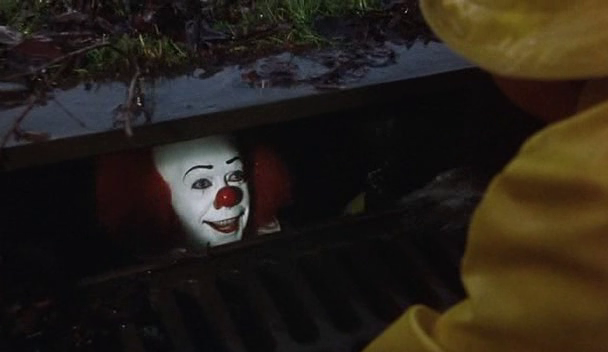
The shot is dim: dark water is visible above a wet storm drain grate, with withered grass growing along the edges. A pale clown's face peeks out from under the grate, with a bright red nose, red hair, and a wide smile. His gaze is turned upward, and the smile functions as an invitation impossible not to notice.
In the foreground is a person in a yellow raincoat, shot from behind. This shot is taken from a film adaptation of the novel, and the viewer immediately understands which character is in front of them. The dark color palette and the contrast between bright details and the background create a sense of danger, which the meme then transfers to entirely different situations.
Source of the image
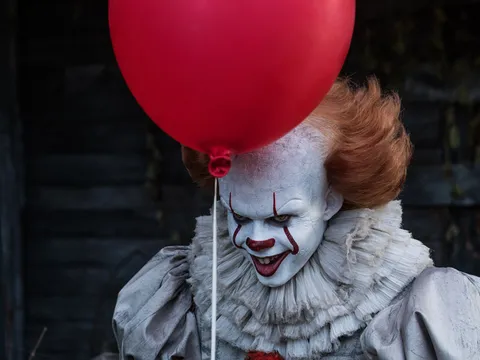
The clown image comes from Stephen King's novel "It," published in 1986. In it, an ancient evil entity takes the form of Pennywise, who lives in the sewer and lures children. The best-known adaptations are the 1990 TV miniseries with Tim Curry and the 2017 film with Bill Skarsgård.
The meme draws on a recognizable image from popular culture, but the three-panel comic itself is a separate creative work. The comic's author and first publisher have not been reliably established, so the specific story of its creation remains unclear. What matters is that the joke works even without knowledge of the novel, since the plot is conveyed through the three shots alone.
Origin of the meme
The 2017 tag points to the year the meme became noticeable, which coincided with the film's release. However, the exact moment the three-panel format appeared hasn't been established. Comics of this type circulated on social media and imageboards, and their authors often remained anonymous.
The film's release led to a surge of clown jokes, and the format with the invitation from the sewer became one of the most recognizable. Users quickly noticed that the three-panel structure was very convenient for parody: the first panel sets up a tempting offer, the second shows the decision, and the third reveals the consequences.
The format allows for remakes. In them the characters, situations, and captions change, but the structure of invitation and downfall stays the same. Thanks to this, the meme outlasted its first wave of popularity and kept appearing in online discussions and conversations about bad habits.
How it's used
A typical caption looks like this: the clown offers something tempting, the girl agrees, and the final panel shows that she's fallen into a trap. The meme is applied to habits that are obviously harmful but hard to give up, such as late-night series binges or impulsive purchases. The comic effect comes from the fact that everyone involved already knows how the situation will end.
In a second group of remakes, the role of the invitation is played by an ad, a news item, or a familiar voice from social media — in other words, anything that promises easy pleasure at the cost of consequences. This variation shows how easily modern services use similar tricks, which is why the meme often becomes a form of self-irony.
Why the meme works
The meme's strength lies in contrast: the shot is recognizable, and the plot requires almost no text. The viewer sees the invitation and understands what will happen next, which creates an ironic sense of anticipation. Since all three panels are short, the joke registers instantly and is easy to pass along.
The meme shows an internal conflict: a person understands the risk but goes anyway. That's exactly why the joke is both funny and a little relatable. Viewers see their own behavior in it and laugh at themselves rather than at a specific person, which makes the meme harmless and universal.