A film image, not a random portrait
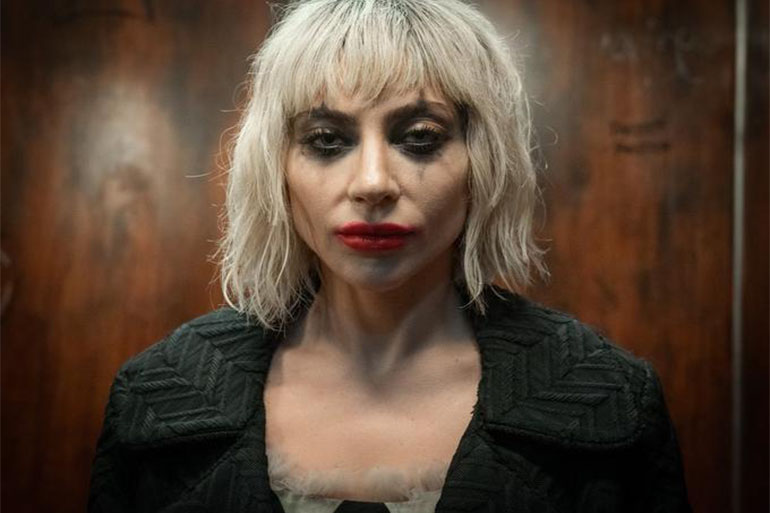
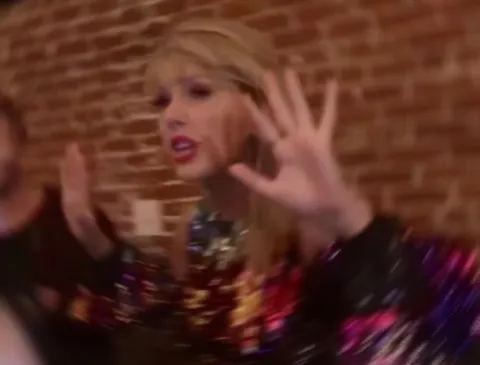
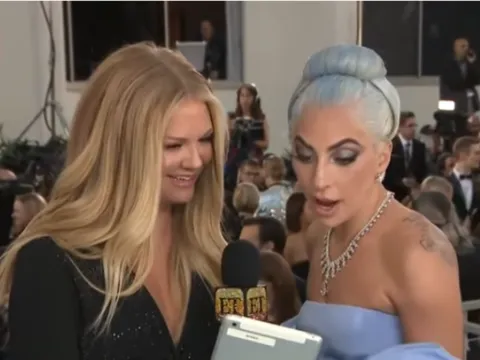
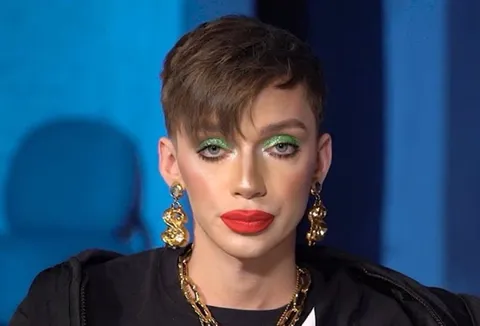
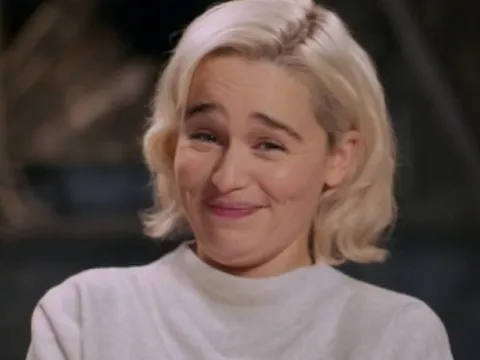
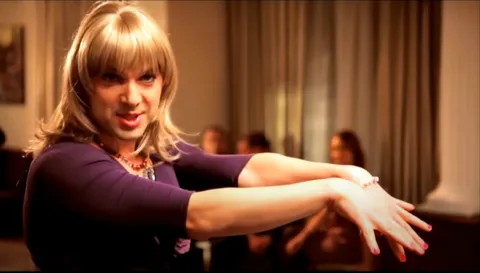
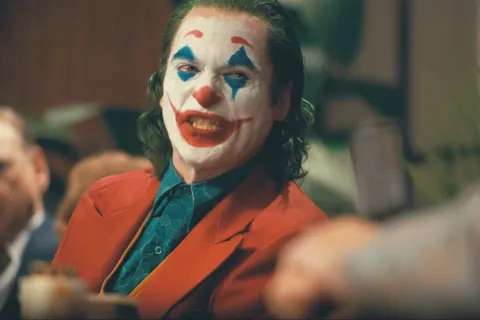
The image shows a woman with blonde hair, bright makeup and a direct, almost motionless gaze. This is Lady Gaga as Harley Quinn in Todd Phillips' “Joker: Folie a Deux”, released in 2024, taken from the film's promotional stills built around her transformation into the character.
This version of Harley differs from many brighter, cartoonish incarnations of the character. The makeup here looks less carnival-like, and the facial expression creates a sense of restrained determination. The meme caption uses this contrast: outward composure can sit alongside inner drama or a sudden decision.
How the frame became a template
The portrait is easily cropped to the face and shoulders, leaving the eyes, lips and blonde hair legible. It suits situations where a person is preparing to step into a role, holding tension before an answer, or taking a small event too seriously. That contrast between a calm face and theatrical makeup is what made the stills spread as a template, rather than any single scene from the trailer.
It is important to distinguish the DC character from the film's specific interpretation. Harley Quinn is a fictional character; the version shown here belongs specifically to Phillips' picture. Captions online may invent thoughts for her, but these are not quotes from Gaga and not statements by the actress about real life.
Meaning and tone
In memes, the frame most often conveys intensity, a readiness for change or cold confidence. It can mean: “I've already made my decision”, “the show is about to begin” or “calm outside, plot twist inside.” Sometimes the image is used as a reaction to being too carried away by a series, music or an outfit.
Because the film is about a mental crisis and violence, do not turn the character's diagnoses or experiences into mockery of people with mental disorders. It is safer to build humor around contrasts in clothing, a theatrical pose, a change of plans or everyday self-irony. Then the joke does not equate real people with a villain and does not carelessly pull the image out of its fictional context.
Examples of use
For an ordinary decision: “I spent five minutes picking what to wear; now it's my red carpet entrance.” The frame underscores the exaggerated importance of the moment. For studying: “When I opened the assignment file and decided that today I'll become a person who turns everything in early.” Here the facial expression signals determination, and the caption gently laughs at one's own plans.
In stories, the portrait can come with a short pair of lines: “Before the deadline: everything under control” and “an hour before turning it in: the director's cut.” Or place the image after an ordinary change: a new haircut, the start of a project, going on stage. Do not add unconfirmed quotes as if they were the words of the heroine or the actress; it is better to write an original line from the post author.
A group chat version: “When I said I'd take only one project but have already designed the look for three.” For a reaction sticker, adding a short “okay, let's begin” is enough. The image is expressive enough that a long paragraph over the portrait will hurt readability. If the text is published separately from the film's title, it helps to label the character so it is not confused with Gaga's other roles.