A grimace made of characters
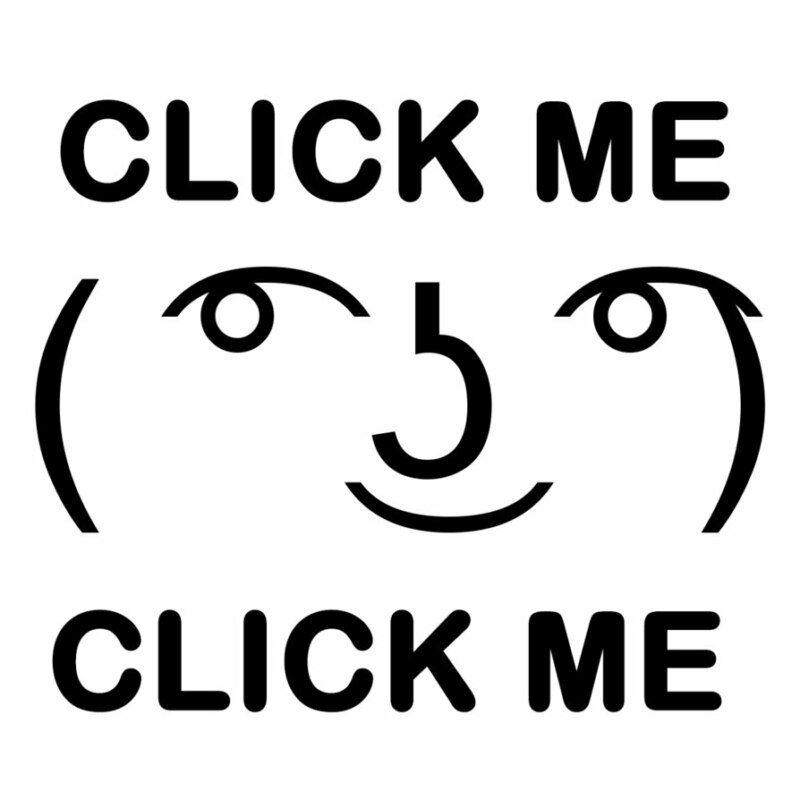
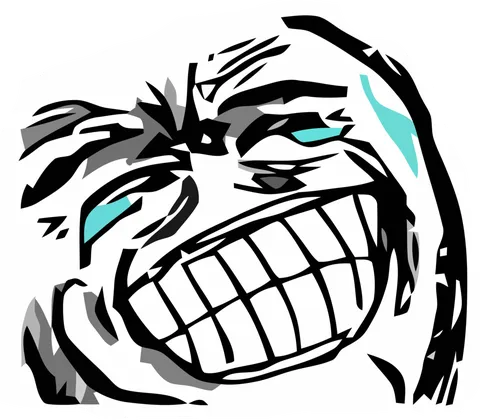
This is not a drawing but a sequence of Unicode characters, from which a semblance of eyes, eyebrows, and a smile is assembled. Because of the font and the width of the characters, the face can shift slightly; part of its textual expressiveness lies in this. The grimace looks both pleased and knowing, a hint of complicity, so the emoticon easily colors an ordinary phrase as teasing, flirtation, or a pretended secret. The same symbol reads differently in different conversations: after a joke it may be a light wink, while in an argument it becomes smug mockery. The creator of the first sequence remained anonymous, and the origin of the nickname “Lenny” has not received a reliable explanation either.
The November thread on Ylilauta
The earliest known trace is usually dated to November 18, 2012. Later chronicles tie the emoticon's appearance to a post by an anonymous member of the Finnish imageboard Ylilauta in a discussion about a spam filter; the phrase that accompanied it is reported in different ways. The same day, the face began to be reposted on other boards, including 4chan; the anonymous environment helped the symbol spread quickly but made it hard to identify a single inventor. What matters is the change of scale: the meme did not need a complex picture — it was enough to have a combination that could be copied into an ordinary message. At first it was literally a string of characters rather than a drawn mask, so copying required no image editor and fit straight into the text of a discussion. Later the emoticon came to be perceived as a separate recognizable sign that could be placed in a title or a reply.
CLICK ME as a small trap
Two identical “CLICK ME” captions frame the Lenny Face and turn the expression into the content of an imaginary button. The smirk here does not simply convey a mood: it seems to suggest that the insistent invitation to click is part of the joke. The English command looks like interface text, while the characters of the face keep their careless, textual form. Together they create a miniature scene: the lure is aimed at the viewer, but there is no link behind it and no promised continuation. The emoticon thus becomes both the “button” and the one who knows that pressing it is pointless. In this variant the meme does not answer an interlocutor; it parodies the very language of internet calls to action.
Invented captions
The invented caption “Click — and you'll see the same page” makes the circular trap explicit: the promised action changes nothing, while the smirk seems to know this in advance. This suits precisely the two “CLICK ME” captions that surround the face and repeat the invitation. It parodies a button whose insistence matters more than its result.
In another invented exchange, one speaker writes: “I saved you the last piece of cake.” A reply with a Lenny Face can hint that the promise is not quite believed: the smiling recipient suspects a catch but does not make an accusation. Here the face conveys intonation in place of a missing voice. The same reply after the line “At rehearsal we only held hands” reads as knowing teasing. These examples rely on the subtext of the message rather than on the circular click: the expression proves nothing about the people involved, but it shows how the interlocutor has chosen to read their words.