Where the spring image came from
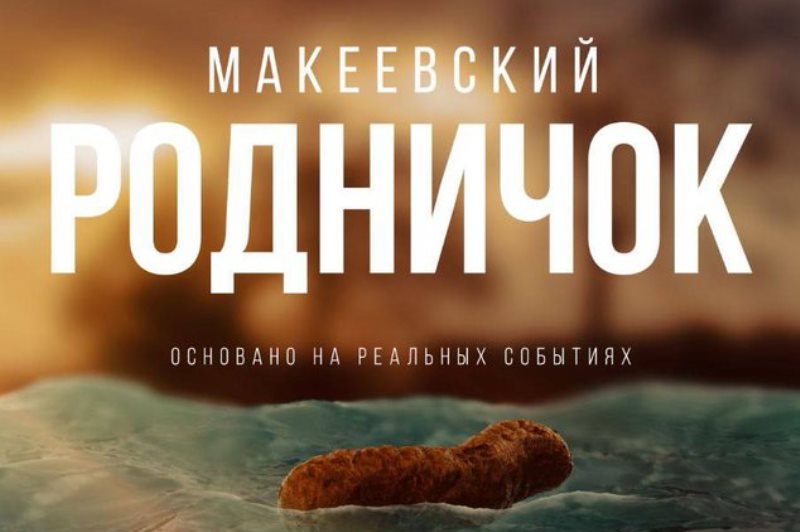
This is already a finished card with a large caption reading "The Makiivka spring" and a short subline about contamination. The format looks like a joke title card or poster, not a photograph that would let anyone check the actual condition of a specific source. The name points to Makiivka, but having a name and caption is not proof that the described situation happened exactly that way.
The story is linked to a post in a local community that spoke of a contaminated spring. The post itself and its circumstances were retold in meme collections, but there isn't enough independent verification of the original account. The accurate thing to report is exactly that: a viral story about a spring existed, not to state as fact that someone did what's described. The unknown origin is part of the story's spread, not a reason to invent details.
How a local story turns into a meme
The meme has three simple parts: a local place name, a diminutive word, and a sharp contrast between the "little spring" and an unpleasant tale. The tone resembles a serious guidebook even though the content sounds like a bad urban legend. The more official the heading looks, the more noticeable the comic gap becomes.
Later posts reused the same card to retell the story, cast doubt on it, or parody the deliberately official tone of the caption. This matters: not every variant expresses the same stance. Some retell the plot as an absurd incident, others laugh at how quickly an unverified local news item grows extra details. There's no need to read a political or military meaning into the meme just because of the geography; in the original format the main mechanic is rumor-like absurdity.
Examples for fictional places
"The secret pond by the office: this is where every broken bonus promise ends up." This invents an absurd legend without accusing real residents. "The deadline spring: the water only appears after you've submitted the project." Here the diminutive name sounds solemn, and the explanation turns an everyday situation into a local legend.
Another option: "The quiet stream in the corner of the kitchen — best not checked to see what was left there overnight." This caption uses the gap between the affectionate name and the questionable reality, but stays fictional. These examples aren't about the real Makiivka source. If you use the original picture, it's best to keep the caveat that the viral story is known only through retellings and shouldn't be treated as a confirmed report.
How to use it without spreading a rumor
The caption on the original picture takes up most of the space, so a new version only needs a short line. Don't add names, addresses, or photos of specific people: the story gives no grounds for accusing anyone. If the goal is to discuss fake news, it's better to state plainly that the meme parodies an unverifiable story rather than reports an investigation's findings.
The awkwardness and crudeness of the plot are part of its meme effect, but repeating it about a real body of water as an established fact can harm residents and cause needless panic. It's safer to transfer the scheme onto fictional places and everyday exaggerations. That preserves the local color, the unusual name, and the "pseudo-legend" device, while a casual claim about contamination doesn't substitute for an actual water-quality check.