What the card shows
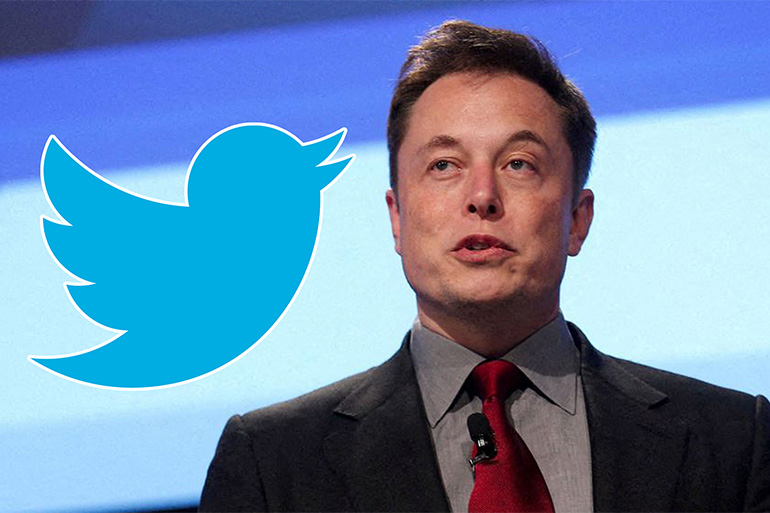
The local image combines a portrait of Elon Musk with a large blue Twitter logo. It is not a photo of the moment the deal was signed but a graphic composition built for exactly one purpose: showing the social network passing to a new owner.
Musk completed the acquisition of Twitter on October 27, 2022, after several months of public disputes over the deal. The event was accompanied by statements about plans to change the platform and by a noticeable reaction from users, employees and advertisers. The meme itself does not confirm the details of those discussions: it simplifies a complicated corporate story into a recognizable pair, “entrepreneur plus bird logo.”
The purchase as a news hook and a template
The deal became a news story that followed the negotiations, the attempt to back out and the legal proceedings. When the purchase was completed, graphic jokes made it possible to signal the change of power quickly without retelling every stage. The bird serves as a short visual code for the platform, and the buyer's face as a symbol of the changes users expected or feared.
More broadly, the format suits any takeover of a familiar service: the audience mentally compares the product they know with what they imagine the new owner will do. However, memes often exaggerate the consequences, crediting one person with changes that involved advertisers, employees and the platform's own policies. If the company's real policy is under discussion, it is worth distinguishing the fact of the purchase from assessments of what changed afterward.
Ideas for new captions
“When you bought a shopping-list app and the first thing you did was announce the list is now a subscription.” Here the pictured entrepreneur becomes a generic owner, and the joke is about the rules of a familiar product changing. Another variant: “I bought my roommate's half of the group chat, and day one's announcement was that read receipts are now a paid feature.” It moves a big deal to a small everyday scale.
For a different tone, a caption from the user's point of view works: “Yesterday I opened my feed out of habit, today to see what they changed again.” The contrast between a stable habit and the expectation of change makes the line clear without taking a political stance. You can also poke fun at loud announcements: “Bought the office coffee machine. First announcement: free refills are now a premium subscription.”
The deal is handy as an example of the difference between owning a service and the everyday experience of its audience: buying a company happens on the corporate level, while users notice first of all the new rules, the interface and familiar features. That gap lets you come up with fresh captions without repeating a news headline.
Working with the composition
Keep both Musk's face and the bird visible: one element says who is pictured, the other marks the platform. A short caption is easier to place in the free area at the top or bottom without covering the logo. If you add a second frame, show “before and after” only through a specific user habit, not through an unconfirmed claim that the whole platform changed the same way for everyone.
This meme is best applied to a change of ownership, an unexpected change of rules or an owner's dramatic plans. Do not present it as proof of financial reasons, internal decisions or personal motives: the picture contains none of them. A sharp joke can be both critical and accurate; it is enough to speak about an observable change or about the user's own expectation.