Format
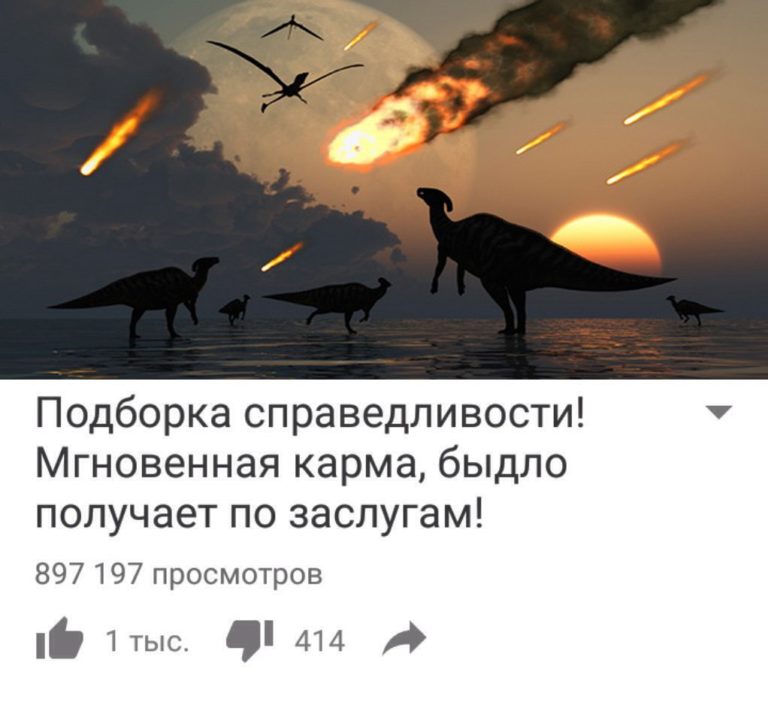
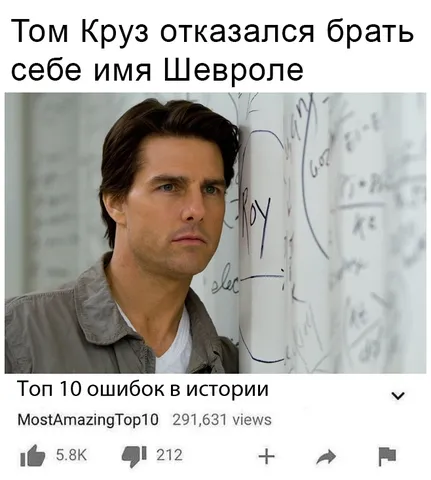
“10 Pranks Gone Out of Control” belongs to memes that parody the design of YouTube videos. A typical example is an image imitating a video card: beneath the picture are a headline in a sensational style and counters for views, likes and dislikes. Instead of a frame from the video, a random shot unrelated to the headline is used. The joke lies in the contrast between the promise of a sensation and the absence of content behind it.
Headlines are built on a familiar pattern: a number at the start, an epithet such as “creepy” or “out of control,” and a promise of a shocking spectacle. Such constructions have long become a hallmark of video hosting sites, where video titles are picked for search results and recommendations. The parody takes this manner to absurdity, so the format is recognizable even without a caption.
The image in the catalogue
The picture shows a card rather than a YouTube player: beneath the frame are a headline, a view count (897,197), and likes and dislikes. There are no player controls in the image. Therefore this is about the card format rather than a specific player interface.
The shot shows dinosaurs on a coast under a meteor shower, against a sunset and a full moon. The text under the picture is written in the style of a demotivator and plays on the idea of retribution: “A compilation of justice! Instant karma, scum gets what it deserves!” The caption addresses an abstract group and does not point to a real person. It is exactly this pairing of a random frame with pompous text that makes up the genre’s typical device.
Origin
The origin of the specific series “10 Pranks Gone Out of Control” could not be established. Searches produced no reliable sources linking this caption to an author, a date of appearance, or a community where it was first published. Therefore the article makes no claims about who invented the parody or when it appeared.
The theme “10 Creepy Deaths” mentioned in the catalogue description is also not supported by external materials. Most likely it refers to a series of fictional videos that exist only as a picture and are not tied to real events. The meme itself makes no claims about real cases and serves as irony directed at the form, not the content.
Spread and use
Parodies of clickbait headlines became a common genre in the mid-2010s, when video hosting sites and social networks cemented this style of presentation. Fake cards are convenient to post in comments, private messages and themed communities, because they are recognized at first glance. The joke does not require detailed context: one recognizable interface element is enough.
In Russian-language internet spaces, such images usually accompany comments about intrusive video advertising, pseudo-news and “shocking” headlines. The format allows variation: the random picture, the number in the headline and the epithet change, while the structure stays the same. Thanks to this, the meme transfers easily to new topics and does not depend on a specific event.
Place in the meme series
The meme is interesting above all as an example of parody of a media format. It works on the same principles as many other card templates: resemblance to a real interface creates expectation, and a mismatch between content and expectation produces a comic effect. That is why it is understood by people familiar with video hosting sites and hardly needs any further explanation.
It is important to separate what is known about the form from what is unknown about the original source. The form is described above and visible in the picture. The original source has not been found, and any versions about it would be speculation.