The origins of the photoshops
Kim Jong-un's image online took shape from official photographs: stiff poses, military events, gestures for the camera. These shots quickly became material for photoshops, where the North Korean leader's face was dropped into comic situations, given absurd details, or had his expression altered. The exact first photoshop that started the genre could not be established from available sources.
In spring 2016, North Korea tested a new anti-tank missile, and the news quickly spread around the world. The leader's photo became a convenient template for photoshops: the online reaction was built on the contrast between a serious military occasion and an absurd image paired with a caption. That's how the habit of joking about Pyongyang as a subject of internet comedy took shape.
The 2017 turning point
In the summer and fall of 2017, tension over North Korea's weapons program became the top international news story. Missile launches, threats directed at the United States, and the responses that followed turned the jokes into commentary on a real, felt anxiety. The memes began reflecting not just the leader's appearance and mannerisms but also fears that the conflict might spiral out of control.
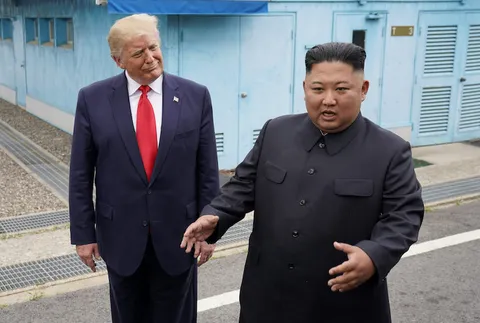
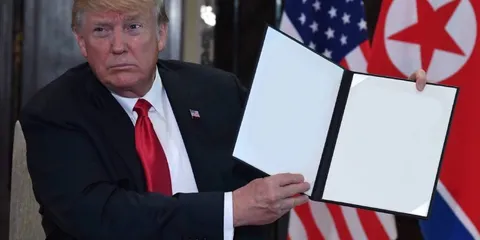
A key moment was the exchange of public remarks between Kim Jong-un and U.S. President Donald Trump. In August 2017 Trump threatened "fire and fury," and later, in a speech to the UN, called Kim Jong-un "Rocket Man"; Kim, in turn, called the U.S. president a "mentally deranged dotard." These phrases quickly turned into captions, and pairing them with photos produced a new wave of memes.
Forms and storylines
A few types of jokes stand out within the genre. Some are built on the leader's appearance and image, others on the contrast between official rhetoric and everyday scenes. A third group is captioned with quotes from negotiations or news headlines, turning a remark into a short joke.
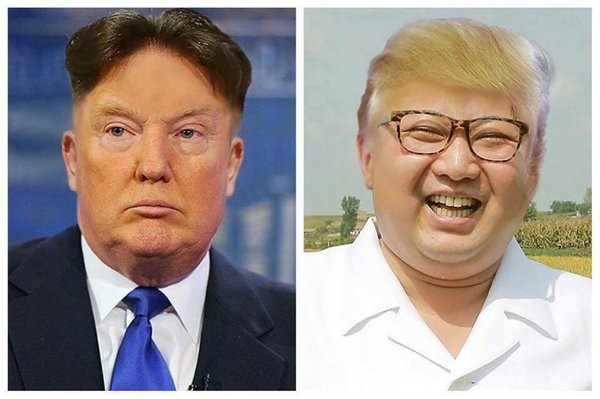
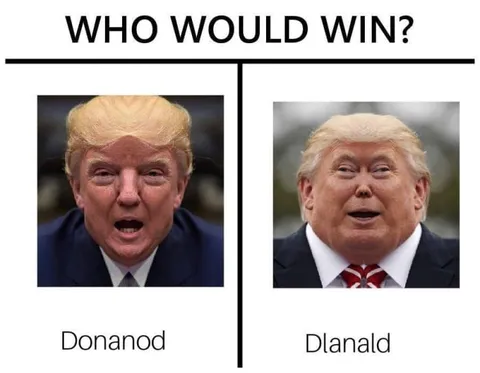
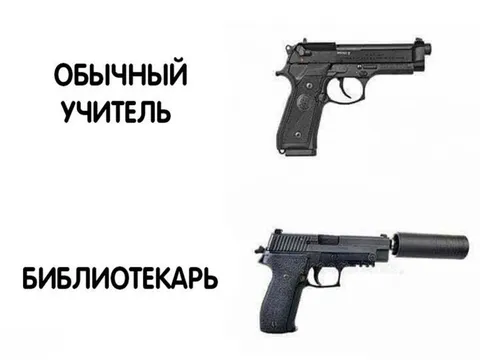
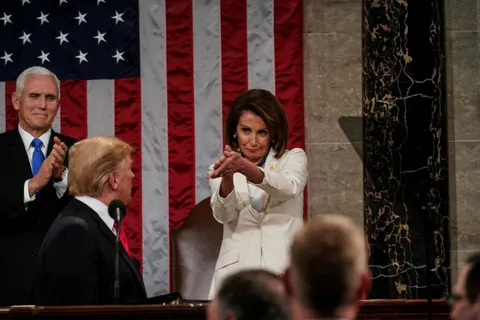
Visually, popular formats are composites where the face in the shot is swapped out or supplemented with other elements. These pieces often combine two images, as in this compilation, where a photo tagged as linked to an American politician is placed alongside it. The point of such composites is comparison and grotesque exaggeration, not depicting real events.
Why the genre endures
Political memes about North Korea rest on the character's recognizability and on an easy-to-follow conflict. Any user knows who Kim Jong-un is and remembers the key news, so the caption works without explanation. On top of that, the secrecy of the North Korean regime makes it a convenient target for speculation and exaggeration.
It's important to separate the genre from actual politics. The memes don't offer reliable information about decisions; they often just reflect the audience's fear and curiosity. Factual information about the weapons program and diplomacy should be checked against news and analytical sources, not against pictures.
Legacy
The subject keeps resurfacing online every time news out of Pyongyang hits the headlines. Photos and captions get reused, and old templates resurface in new contexts. So the genre is better described as a continually refreshed branch of political humor rather than a single, finished meme.