What's depicted
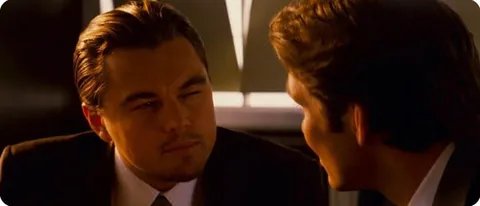
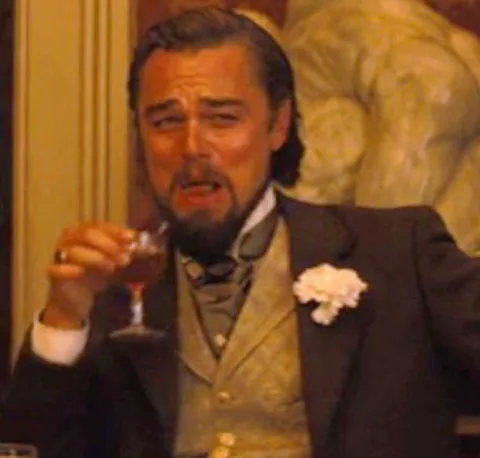
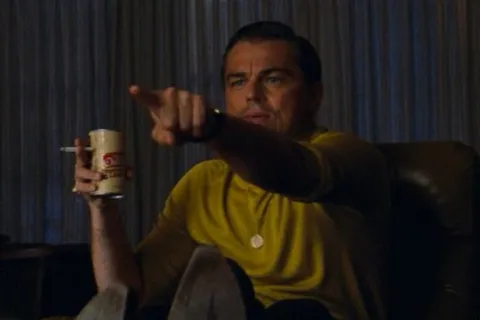
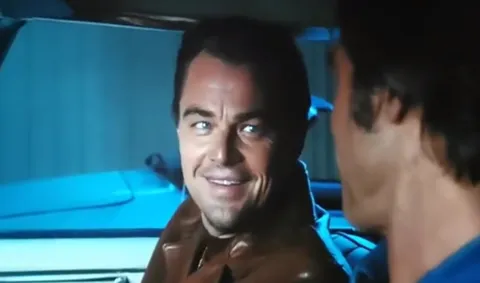
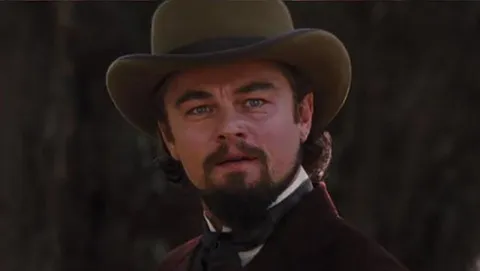
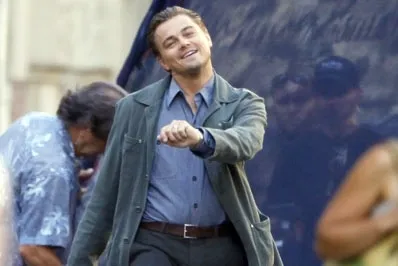
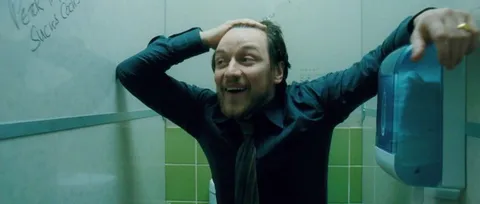
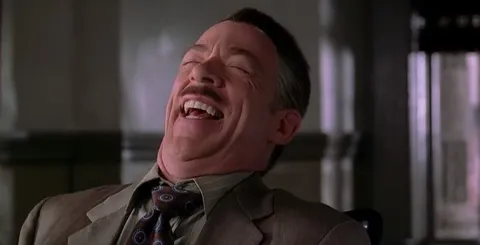
The comic consists of four panels. In the first three, the characters toss lines back and forth arranged like an ordinary dialogue. In the final panel, one of the characters, DiCaprio, turns away or looks aside, and the caption indicates that he is sulking in silence. The whole joke rests on the contrast between the eventful opening and the sudden silence at the end.
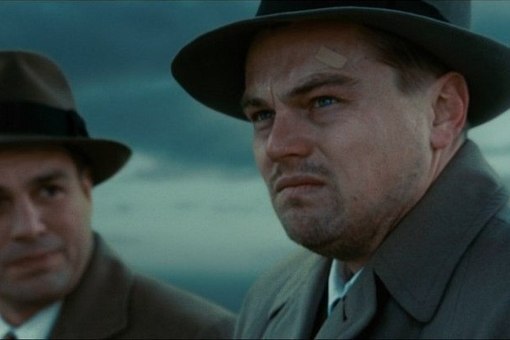
In the illustration used for this entry, two men in hats and dark coats stand against a cold, overcast landscape. By its outward features, the frame resembles a scene from the film "Shutter Island" (2010), in which DiCaprio and Ruffalo starred together, but the exact connection of this frame to the comic and its source haven't been established, so this can't be stated with certainty.
Dating and authorship
According to the entry's description, the meme dates to 2009, but this date isn't confirmed by a primary source. If the comic really did appear in 2009, it predates the release of "Shutter Island" and may have been based on a different frame or on an invented scene. This is an important caveat: comics in which real frames serve as the basis for new captions are common online, and without a primary source it's hard to reliably determine the relationship between the frame and the text.
Authorship also hasn't been established. Comics of this format were often created anonymously on imageboards and in themed communities, then spread across the web without a signature. For that reason, the meme is described here by its structure and meaning, without attributing it to a specific creator.
How the joke works
The key device is the pause. Comics are usually built so that a line closes out the plot. Here, by contrast, the ending is deliberately stripped of words: instead of a reply, the character stays silent, and this silence reads as hurt feelings or a demonstrative refusal to agree. Such a turn is hard to pull off in a static format, which is why the author uses four panels to build rhythm and expectation.
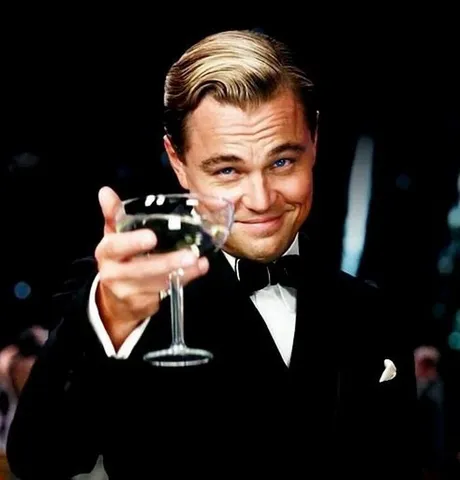
The recognizability of the actors also matters for the Russian-speaking audience. DiCaprio had long been associated with dramatic roles and tense facial expressions, and this image transfers easily onto any scene of displeasure. The meme plays on this typecasting: an actor known for expressive pauses becomes, in the comic, a touchy character who refuses to continue the conversation.
Use and place in culture
The "meaningful silence" format is used in discussions where one participant is losing an argument or can't find a counterargument. The picture suits showing demonstrative offense in response to an awkward question or a refusal to back an idea. Thanks to its clear structure, the meme adapts easily to one's own dialogues, and the caption can be changed while keeping the meaning intact.
In 2009, comics like this were one of the common ways to discuss internet events and actors' public images. The combination of a recognizable face and a short script made them easy to pass along. Today the meme appears less often, but its idea — silence as a reply — continues to work in messages and comments.
Conclusion
"Meaningful silence" is a simple but precise example of a comic in which the joke is built on a pause. The exact history of its appearance and its authorship remain unknown, and the meme itself is interesting for how the scene's expressiveness rests on the contrast between dialogue and silence.