Origin of the phrase
The phrase was born on one of the Ukrainian motorcycle forums. According to the entry, it dates back to 2006. The specific thread where it all began, and the author's name, could not be established from the available information, so we're going by the general date and place of origin. The wording itself sounds like a typical remark from a flea-market seller: the person posted an ad about a motorcycle or a part, and when questions about its condition and price started coming in, he distanced himself from the item. Situations like this were common on themed forums of that time, where sale listings sat alongside endless discussions of bikes and gear.
The meaning and structure of the joke
The key move of the joke is the contradiction between action and statement. The person is clearly involved in the sale: he posts the listing, states the price and contact details. Yet he insists the item doesn't belong to him. This device is a familiar one from everyday scenes: "it's not mine, I just held it," "I was only asking." Within the forum, the phrase worked as a recognizable signal: it was a nod to the habit of dodging responsibility, and at the same time it poked fun at sellers naive enough to try to combine a listing with an excuse.
The tone here matters more than the literal meaning. The phrase sounds almost plaintive, like an excuse, and that's exactly what makes it funny. The listener immediately understands that an awkward conversation about who actually owns the item, and why it's still for sale, is coming next.
The image accompanying the entry
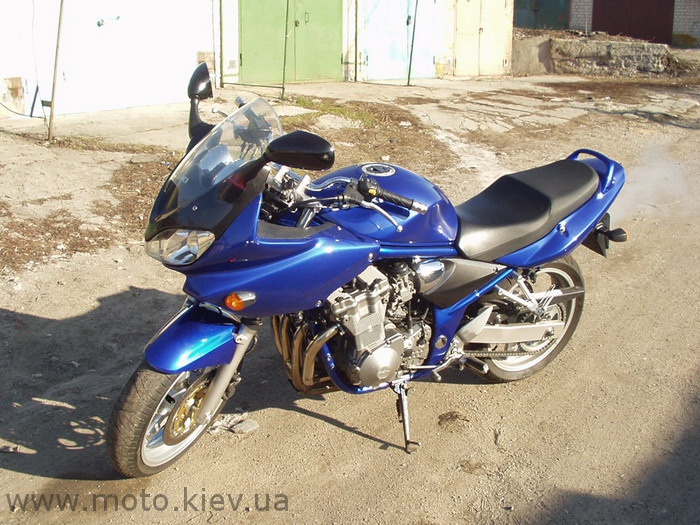
The illustration shows a blue motorcycle with a windscreen and fairings, standing on a dirt lot by a concrete fence and garage doors. In the bottom left corner there's a caption with the address of a Kyiv motorcycle site, confirming the image's connection to the Ukrainian motorcycle community. The exact model couldn't be determined from the photo: it looks like an early-2000s sport-touring motorcycle, but precise identification would need further checking. The photo looks ordinary, unposed, and this everyday simplicity is exactly what makes the joke work: the snapshot seems to confirm that this is a real listing.
Spread
Over time the phrase moved from forums into comments and captions. People started using it as a universal excuse for any situation where someone is involved in something but acts like it has nothing to do with them. For example, a person might comment on someone else's photo or state an opinion about an item they're the one offering for sale, then tack on the same formula. What matters is that the meme runs on tone: saying the phrase is enough for the other person to get the context without any explanation. The exact timeline of how it moved from the forum into wider internet use is not known.
Context and meaning
The meme shows how regional forums produced language that reached an audience beyond their own. Motorcycle-community jargon, classified-ad slang, and everyday scenes intertwined, and in the end one line became a joke for a wide circle of people. Today phrases like this most often turn up in retrospective roundups about the early Russian-language internet and post-Soviet forums, where they serve as a marker of the era. Looking at them, it's easy to notice how the very idea of public trading has changed: from a bulletin board tucked in the corner of a forum to today's platforms, where buyer and seller talk to each other directly.