Origin
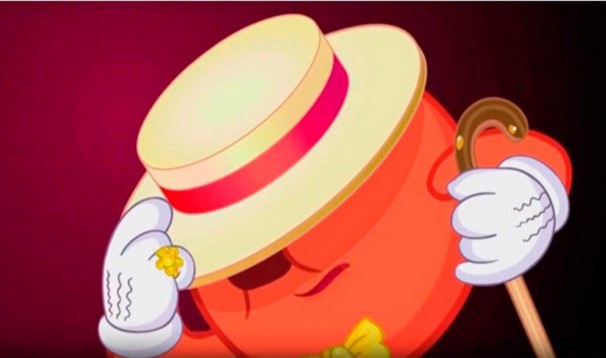
The meme is dated to 2016 according to the entry. The image is a cartoon character, round and red, with a straw hat tied with a red ribbon, white gloves, and a thin cane with a curved handle. The "Smeshariki" tag points to a connection with the well-known Russian animated series, but the exact identity of this particular character and the original source of the still have not been established. So information about its origin should be treated as approximate, and the attribution to a specific episode as needing verification.
The visual style — bright saturated colors, soft outlines, and expressive gestures — suggests the still may be taken from a children's animated series or its related clips. But this is a guess, not a confirmed fact.
Meaning of the expression
The phrase "my little stop" describes a situation where something suddenly knocks a person off balance: strong surprise, fright, or delight. The hyperbole of an "organ stopping" is a joking exaggeration in which the heart or some other internal organ literally stops working from the impression. The hat-tipping gesture the character makes in the image serves as an ironic mark of courtesy: as if the body politely greets the onlooker before coming to a halt. The formula is built on the contrast between politeness and a dramatic outcome, and it's exactly that contrast that draws a smile.
It also matters that the expression doesn't require knowledge of any specific episode. Understanding the basic metaphor is enough: a strong feeling can literally stop the heart, and a polite gesture turns this catastrophe into something almost ceremonial. It's this duality between drama and courtesy that explains why the meme remains understandable without any explanation.
The visual
The gesture of the raised hat and the cane in hand gives the scene an old-fashioned, almost genteel look. The character looks like a gentleman ready to take a bow, not a creature going through a crisis. This approach works for comic effect: a pose that's serious in form but absurd in outcome creates a sense of ridiculous theatricality. The entry highlights exactly this device, so the caption and the image complement each other rather than clashing.
Spread
The expression spread through comments, captions, and short reactions. It's convenient for reacting to unexpected news, a sharp turn in a conversation, or a sudden emotional outburst. Thanks to its short formula and recognizable character, the phrase transfers easily into new contexts without needing lengthy explanations. The exact dates of the first posts and the timeline of its spread are not known.
Within the community the phrase caught on because of its simplicity: it doesn't need explaining, and the character's image immediately sets the tone. Users often captioned short clips and pictures of unexpected events with it, and over time the formula became a recognizable gesture of irony. Even without knowing the original source, it's clear the subject is an exaggerated reaction delivered with deliberate politeness. This kind of format transfers well to different topics, which is why it's often chosen for quick replies.
Variants and attitude toward the material
Variations usually keep the same structure: first the event, then the sudden reaction, then "my little stop." The target of the joke changes, but not the mechanics. The meme contains no mockery of a specific person: the target is the situation and the hyperbole, not a real person or their suffering. This matters for understanding the genre: images like this exist as language games, and their meaning unfolds through the rhythm of the phrase and a recognizable visual cue, not through anyone in particular.