Where the song came from
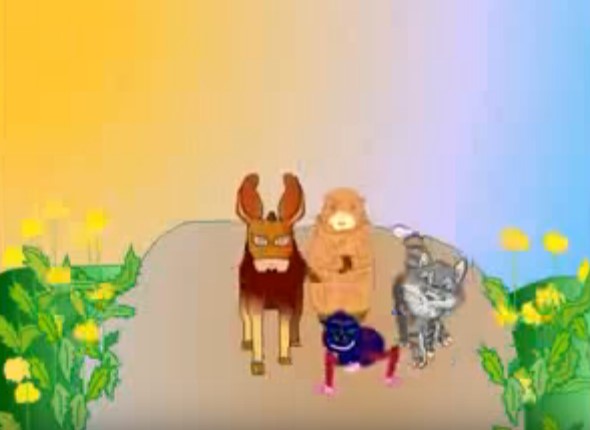
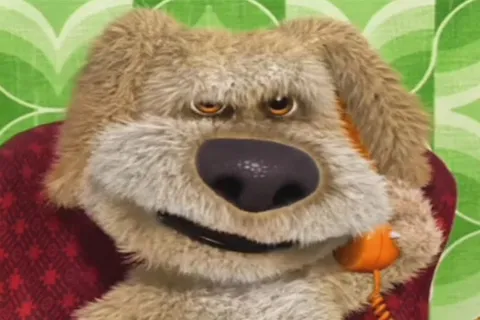
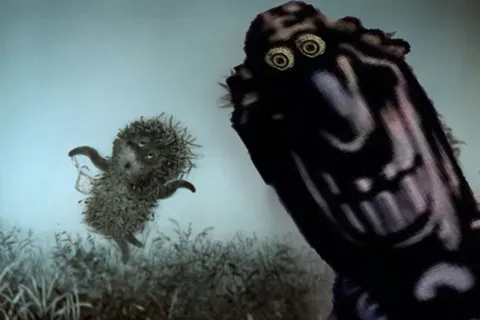
The exact author and date the clip was created are not fully established: information about it in open sources is fragmentary, so what follows describes only what can be stated with reasonable confidence. The clip is a simple two-dimensional animation in the style of children's programs from the early days of internet video. On screen a procession of several characters moves along: a donkey, a gopher, a spider-man, and a creature referred to in the text as "the little wet kitty." The characters move along a road against bright yellow and blue gradients, as though setting off on some important journey.
The main effect comes from the combination of melody and text. The words repeat monotonously, with no clear plot or discernible moral, while the delivery sounds utterly serious. It is exactly this contrast between the childlike aesthetic and the meaningless content that turned the song into a topic of discussion. Viewers began quoting individual lines, forwarding the clip to each other, and arguing about what the author meant to say, if they meant to say anything at all.
Why the clip went viral
Video hosting sites and forums of the early 2010s were fertile ground for finds like this. The short clip was easy to download, re-upload, and embed in blogs, and the comments under it quickly turned into a stream of jokes. A common reaction was to compare it to children's shows: many users noted that the clip left adult viewers more baffled than the familiar Teletubbies, which is where the joking claim that it was "worse than the Teletubbies" came from.
Another mechanism of its spread was ritual repetition. Users inserted the phrase into replies to baffling posts, used it as an ironic comment on absurdity, and turned it into a separate language of internet communication. This practice is typical of many memes of that era: the text itself matters less than the fact that it is recognized and understood as an "insider" signal for those who had seen the clip.
How the song was used
Over time the phrase "the donkey, the gopher, the spider-man" became a universal label for any pointless or suspiciously strange content. It was written under videos with absurd editing, under incomprehensible pictures, or in reply to a question that made no sense. The phrase was used ironically and was not aimed at any specific person.
In parodies and remakes the clip was often padded with new characters or redubbed. Such remakes confirmed that the main object of interest was not the song itself but its ability to provoke an emotion somewhere between laughter and bewilderment. Many viewers remember the clip as one of the first examples of how cult "incomprehensible" things arise on the Russian-speaking web.
Cultural context
The clip belongs to the tradition of "deranged" content, in which familiar children's aesthetics collide with the grotesque. Many finds of that period developed along similar lines: the key effect was created not by the plot but by the sense that the author either does not fully understand what they are doing, or is doing it on purpose.
Today the song is perceived more as a nostalgic artifact. It is a reminder of a time when internet culture was formed on video hosting sites, in blogs, and on forums rather than in social media feeds. For modern users it is an example of how a meme can live a long life without advertising or official promotion, relying only on word of mouth and a love of absurdity.
What is known and what is not
The exact chronology of the first publications, the author's name, and the original version of the clip are not established, since many copies appeared without attribution or metadata.