An old verse and a new remix
The line 'My money don't jiggle jiggle, it folds' comes from a rap verse that British documentary maker Louis Theroux performed in a 2000 episode of Weird Weekends about gangsta rap. Years later, Theroux recalled the lyrics in a conversation on the YouTube show Chicken Shop Date. The unexpected pairing of a journalist's calm manner with a rhythmic line caught the audience's attention again.
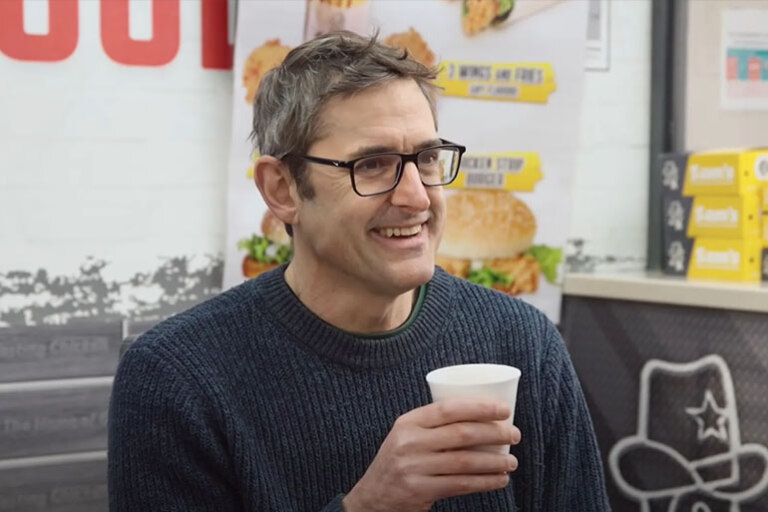
In 2022 the duo Duke & Jones processed the clip with autotune and added a danceable electronic arrangement. The sound became a popular backing for short videos and synchronized dance moves. A full version of the song was later released, featuring Theroux, Duke & Jones and Jason Derulo. The image on this card, however, is a standalone portrait of Theroux, not a moment from the performance of the original verse.
What the line says
The narrator says his money doesn't jiggle, it folds. The line paints a picture of a man with a wad of cash and confidence in his wealth. The repeated 'jiggle jiggle' sets the rhythm, while Theroux's calm delivery contrasts with the usual intensity of rap. The good-natured awkwardness and catchy rhyme helped it survive the musical rework and travel far beyond the original program.
In memes the phrase often has nothing to do with literal wealth. It is put over videos of dancing, travel, pets and any object that can be swung to the beat. The refrain works as a sound signature for a rhythmic scene. The person in such a video is not necessarily talking about their finances; usually the author is simply playing with the sound of the song and its recognizable hook.
Why the portrait is recognized
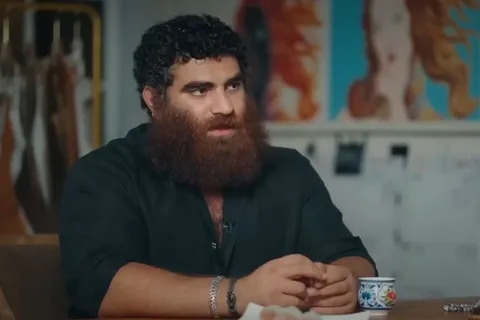
In the photo, Theroux, in a dark sweater and glasses, holds a cup, with computer equipment visible behind him. His calm smile contrasts with the upbeat remix, so the frame can be used for jokes about someone who looks serious but suddenly becomes the star of a dance trend. A single image cannot reliably show that it was taken during the recording of the song or of that interview.
The audio and visual versions are partly independent. Some people know the tune but not the portrait; others remember the documentary maker's face but don't know where the verse came from. Several formats supported one another: the original episode, the later conversation, the remix, the choreography and the meme images. It is an example of how separate pieces of media history converge in a single viral formula.
How to use the template
The clip can be laid over a scene where something is neatly folded or swayed to the beat, or where an unusual skill is unexpectedly shown off. New captions might joke about a suitcase that only closes on the third try, or about someone who never planned to dance but still hit the rhythm. The words can play on a salary transfer, but invented text should not be passed off as a real Theroux quote.
The story shows how an old clip reached a new audience through a sound rework. The line was not written for short videos, but autotune turned it into rhythmic material suited to endless remixing. In individual videos the English refrain is kept, while the specific meaning comes from the image, caption and movement. That is why the song stays recognizable even though the meaning of each meme changes.