What the series consists of
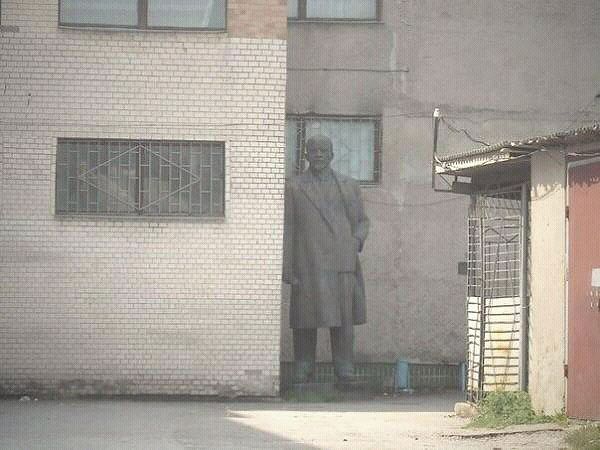
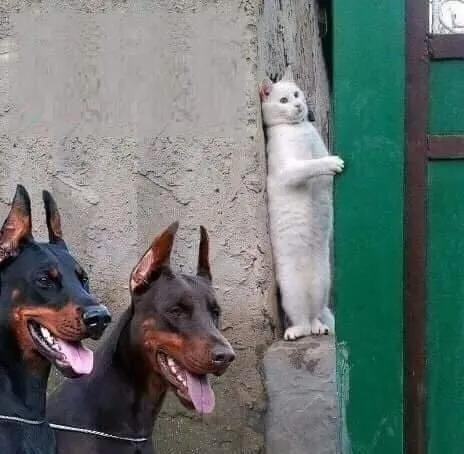
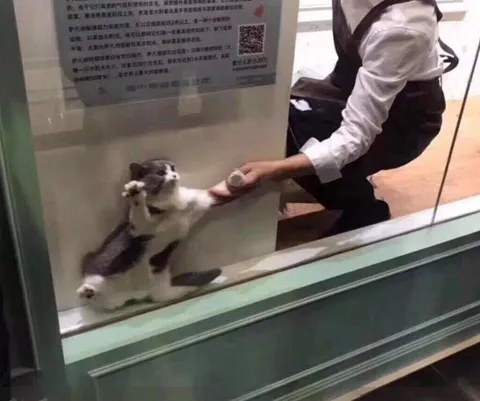
The basis of the meme is simple: the image shows the corner of a building, a wall, a tree, or a piece of furniture, from behind which a character is cautiously peeking. Sometimes it's a person, sometimes an animal, sometimes an inanimate object given a face. The implied line sounds like a whisper of "psst, buddy," followed by an offer resembling a black-market deal: something sold "under the counter."
Thanks to this setup, the image transfers easily to any situation. The offer can be as absurd as you like, while the scene itself works as a ready-made template into which any joke can be inserted.
Origin
The exact author of the series' first image is not known, and the specific post or site where it all began is not known either. The meme is dated to 2014, which fits with the general wave of template images in Russian-language communities of that time, when simple captioned photoshops and cropped scenes were popular.
The aesthetic of the series relies on everyday shots: the walls of buildings, corners, doors, and entryways. Such a backdrop makes the character recognizable and creates the sense of an urban story, as if something secretive is really happening around the corner. It's exactly this feeling that the captions play on.
Composition and the mechanics of the joke
The key device is leaving things unsaid. The viewer sees only part of the character, and the pose alone already signals the conspiratorial nature of the offer. Then the text reveals the subject of the deal, which turns out to be either trivial or outright ridiculous. The gap between the expectation of secret knowledge and the mundane object creates the comic effect.
Sometimes the series uses a reverse move: the character peeks out not to offer something forbidden, but to share something completely harmless. This turns out no less funny, because of the contrast with the secretive delivery.
Spread
The series quickly spread across forums, themed communities, and messengers, where it's convenient to drop in as a reply to discussions of dubious offers. Images of this type work well as a reaction: a short shot replaces a long text and immediately sets the mood. Because of the format's simplicity, the meme is easy to remix — authors change the characters, the background, and the captions — producing many variants that are recognized by the shared device.
Sometimes the series is supplemented with short captions that shift the scene into an everyday context, and then the meme turns into a separate joke about how easy it is to fall for a dubious offer. Such variants show that the base of the format is flexible enough and not tied to one particular caption.
Usage
Today the expression "psst, buddy" is used as a joking opener for any dubious offer, from "I'll sell you these almost-new slippers" to an ironic hint about something sold "under the counter." The speaker deliberately plays the role of a shady dealer, and in doing so signals that the offer shouldn't be taken seriously.
The meme contains no targeted aggression: it doesn't mock a specific person and doesn't rely on anyone's suffering. That's why it's used freely in messages and comments, and the format remains one of the most harmless templates on the Russian internet.