An Egyptian track and new short videos
The song "Shik Shak Shok" is associated with the Egyptian musician and accordionist Hassan Abu El-Saud. Catalogs and publications give differing recording dates: the track is linked to an album release from the early 2000s, while research materials trace its roots to earlier Egyptian pop and dance music. It is therefore safer to call it an older song that has had several re-releases than to name a single, undisputed year for the original release. On TikTok, the sound saw a new wave of use in Russian-language videos in February 2024.
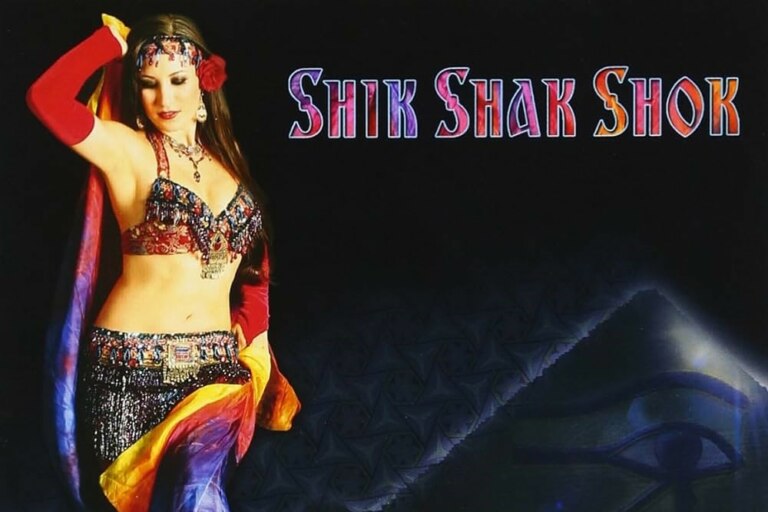
In the local image, a dancer in a bright Middle Eastern-style stage costume holds one hand to her head; beside her, large lettering over a dark landscape reads "Shik Shak Shok." The frame looks like a dance poster and conveys the energy of the music. It contains no second character who is shocked; that setup appears only in individual video versions.
Shock and fun in one rhythm
In popular short videos, the sound often accompanies an unexpected situation: a person first runs into unpleasant news, then the dance tune turns it into an exaggerated reaction or even a reason to laugh. The contrast is built on rhythm: a dramatic story collides with upbeat music. In other videos, creators simply dance, because the catchy chorus and energetic tempo suit repeated movement.
The song's title is often written phonetically and is perceived as a sound or a hook from the chorus rather than as a sentence with a precise meaning. Do not translate it without a reliable linguistic source, and do not assume that every video follows a single meme script.
What stays recognizable in a short dance clip is above all the rhythm and the repeated chorus. That is how the fragment travels between language communities without translation, although its history and its roots in Egyptian music can get lost behind simple trend use.
Examples with a musical twist
Two frames: "When I saw the delivery fee" shows a character with wide eyes; the next frame shows him opening the bag anyway and starting to dance. The contrast between financial drama and the pleasure of dinner provides the twist. Another version: "A friend says he doesn't like dancing / the music comes on at a family party." Here resistance is expected, and then the body picks up the rhythm on its own.
For a group video: "When the boss canceled the meeting and put on music instead of the presentation." The bright tune turns unexpected relief into a little dance finale. These are invented captions, not lyrics and not real viral quotes.
Dancing with respect for the source
The sound works for a quick change of mood, a dance gesture, or a comic reversal after an anxious start. If the picture is static, like the local file, the caption must explain the event separately; a single stage portrait cannot convey the full dynamic of the videos. If you like, credit the artist for context, since the melody existed long before the trend.
Do not present Arabic music as a faceless "exotic sound," and do not reduce its history to an internet dance. Sources disagree on the exact release date, so date it cautiously. If the topic is someone else's reaction, choose an everyday surprise rather than real grief or disaster; otherwise the upbeat soundtrack can come across as dismissive.