Audio from a real conversation
In May 2023, a fragment of a phone call between a woman and her relatives spread in a short video. She reports a power outage, a fire and an alarming situation in a border district of Belgorod Region. Later the sound became a separate track and was used in other videos. Publications date the spread of the audio version to May 22; the original phone recording, in its form, was a conversation about what was happening, not a script or a deliberately acted joke.
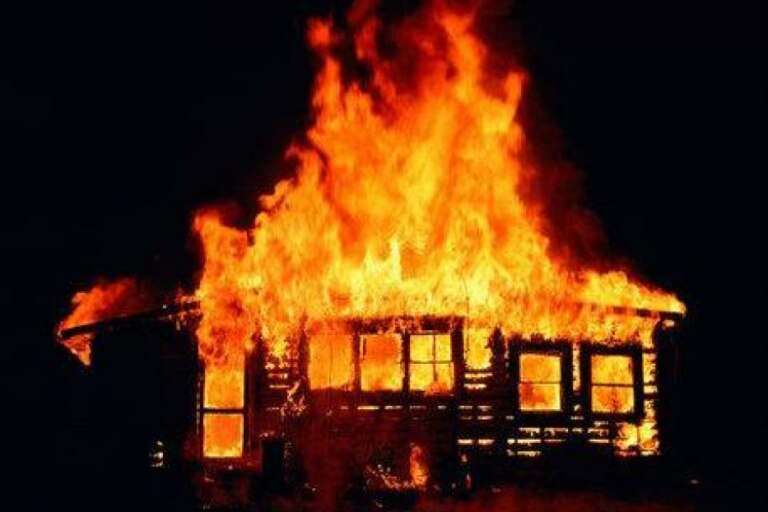
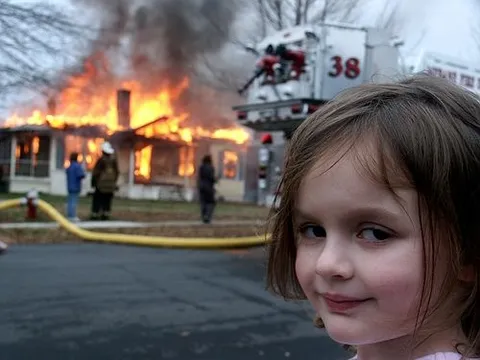
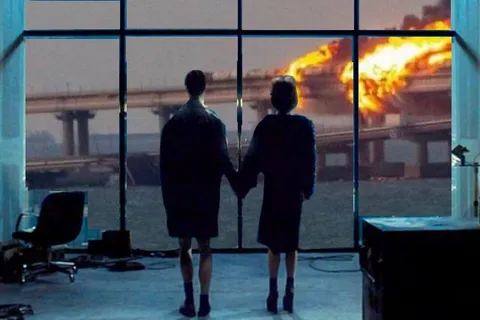
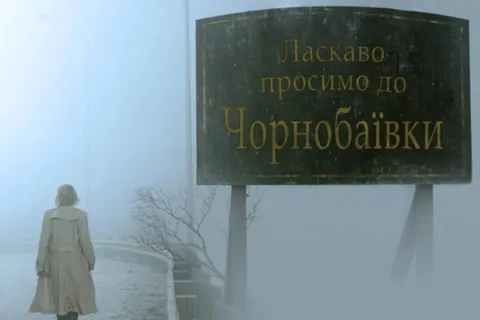
The exact history of the recording and the circumstances of each incident mentioned do not automatically follow from a short phrase. According to a public retelling, the clip is connected to reports of fighting and attacks on the border territory in that period. From one audio it is impossible to determine the address or the identities of the speakers, or to see the very houses. The fire photo on our card is a separate image, not a confirmed frame from the original phone call.
When the fragment began to be laid over dances and comic editing, its meaning changed: a voice reporting real alarm began to sound like a repeatable internet soundtrack. This is a typical example of how context gets lost when sound is copied. The history of the meme should restore context, even if it does not repeat every later political reading by users.
Why context matters here
Unlike a fictional line or an actor’s recording, what is heard here is the speech of a person telling close ones about an unsafe situation. The shift from a frightened conversation to a dance clip may seem absurd, but it can also hurt those affected by the shelling and fires. Political versions used the audio to show how war becomes tangible for people living near the border; other users reduced it to sound and rhythm.
These readings are not equal to the source. The recording was not created as a song, does not confirm general claims about the views of all residents of the region, and gives no grounds to celebrate someone else’s danger. If an article explains why the sound became a meme, it is important not to pass off later remixes as the original conversation, nor to attribute to the speakers a position that the fragment itself does not establish.
How the sound changed online
The short phrase easily separated from the full conversation: it was repeated, rhythmically edited and set under dance moves. In the meme version, the sound pattern and intonation became more recognizable than the circumstances. Later clips could change the speed, add music or react to current events. Therefore, the expression “meme track” describes a way of spreading, not that the speakers recorded a song.
A similarly toned format also appeared — a complaint about local authorities and everyday hardships — but it should not be confused with this audio: a different place, a different time and different source material require separate explanation. The short name is convenient for searching, but in a serious retelling it is better to specify that it was a phone message made under conditions of military alarm.
How to talk about this meme responsibly
For an article or caption, one can discuss the contrast between news content and later editing without turning a person’s alarm into a target for mockery. For example, comparing “how quickly audio from a specific conversation loses context after a hundred reposts” is a comment on the internet, not on those who lived through the danger. If sound is used, leave enough information nearby for the viewer to understand its origin.
Avoid jokes that portray a real fire or evacuation as a desired punishment for residents. Do not claim that the video with a burning house shows the place from the phone call: in the local card, this is a separate visual image. An honest explanation can acknowledge that the track was widely remixed and politically interpreted, while preserving its original human seriousness.