The photo and the meme appeared in different years
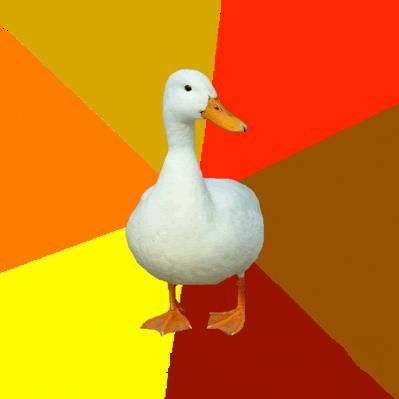
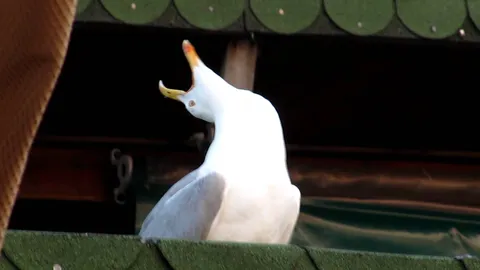
The image is known by its English name, Technologically Impaired Duck. Its basis is a photo of a white duck posted on FreeFoto on March 31, 2003. The colored background and captions came later: the meme family dates from 2009. This is a typical example of an ordinary animal photo turning into a recurring character to whom readers attribute a certain way of thinking. The date of the original photo alone does not date the finished template.
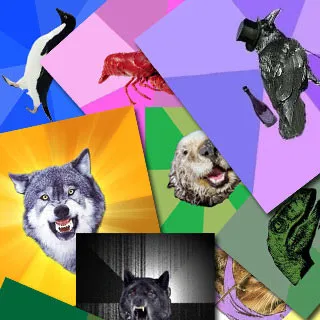
One known early trace of the format leads to a post on Joanne Casey’s blog from June 3, 2009. Variants then spread to 4chan and other platforms. The version that it began on Memegenerator is supported by watermarks on early images, but the name of the first person to write a caption has not been established. The duck became part of the Advice Animals family: the image repeats, and each new text reveals a stable trait of the character. In this case, that trait is a failure to understand technology.
A white bird among colored sectors
At the center of the square image stands a white duck with a long neck, an orange bill, and orange feet. The bill points right, and the body takes up most of the middle. The background is divided into diverging sectors of yellow, orange, red, and brown. This composition makes the character stand out immediately, even when the picture is shown small in a feed. The natural setting of the original photo has been replaced with a stylized geometric backdrop.
This version has no written lines: it is a base for a caption. In common memes the setup goes at the top and the absurd continuation at the bottom. The bird itself does not show any keyboard action and does not look at a screen. So the technical incompetence comes from the text, not from a depicted incident. The calm pose helps imagine a character who has no doubts at all about its mistaken explanation.
Literal logic instead of technical meaning
The duck mixes two meanings of one word: the familiar everyday sense and the specialized computer sense. It knows the term by its sound, so it does not ask for an explanation and immediately builds a conclusion. The joke unfolds when the second line shows which meaning was chosen. The result is a small dialogue between the interface and the person: the program speaks one language, while the user hears a completely different story.
This is not simply a random typo or just any computer malfunction. What matters for the recognizable image is the consistency of the faulty reasoning. Within its mistake the character is even logical: if a digital action is named with an everyday word, it tries to carry it out in the familiar way. The duck can stand for a conversation partner who reasons like this, or for the author at the moment of meeting a new feature. This allows the format to work both as mockery and as an admission of one’s own confusion.
Invented captions with a double meaning
First invented example: “They suggested storing files in the cloud — waiting for the rain to stop.” The punchline moves digital space into the sky. Second invented variant: “Need to pin the message — looking for a stationery pin.” Here the action in the chat is taken as handling paper on a bulletin board. In both cases the setup sounds mundane, and the punchline reveals a completely different picture of the world in the character’s mind.
Third invented case: “Turned on two-factor authentication — typed the same password twice.” The comedy lies in mistaking the number of actions for what the feature does. To understand this meme, you do not need to see a specific program: it is enough to notice the substitution of meaning. All three captions were invented to explain the image, not taken from early duck collections; what unites them is the character’s confidence in a very wrong translation.