The investigation behind the duck
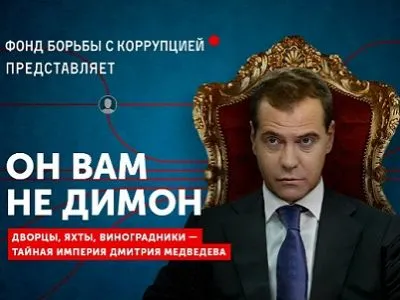
In early March 2017, the Anti-Corruption Foundation published an investigation titled “He's Not Dimon to You” about real estate and property linked to Prime Minister Dmitry Medvedev. The film showed country estates, a pier, a ski slope and other properties, and a separate segment was devoted to a little house for ducks on a pond. According to the authors, the property is tied to charitable foundations.
Medvedev and his circle maintained that the accusations were baseless, and the government called the investigation political propaganda. The dispute over ownership and the soundness of the conclusions remains a subject of political debate, and the duck entered everyday use precisely as a detail of the film.
Why the duck was remembered
The sums spent on real estate are hard to imagine, but a duck house is something everyone understands. A small detail turns a conversation about large expenses into an everyday image: why would an official need a separate house for a bird? For a joke this is more useful than any figure, because it can be retold in a single word.
A rubber duck is also convenient for street action: it is easy to hold in a hand, bright, and visible from a distance. The symbol works without placards and long explanations. That is why the duck quickly stopped being a detail of the investigation and became a sign of its own.
Yellow ducks on the streets
On March 26, 2017, anti-corruption rallies took place in Moscow and other cities, and participants carried yellow ducks, including inflatable ones. Reporters explained this symbol through the same duck house. Who first proposed this sign is not known.
The yellow duck also appeared at later rallies in 2017, for example in St. Petersburg in June. According to media reports, the toys even ended up in police documents as “visual agitation materials.” Such details show how noticeable the symbol became, although the specifics of individual episodes are not always independently confirmed.
What the picture shows
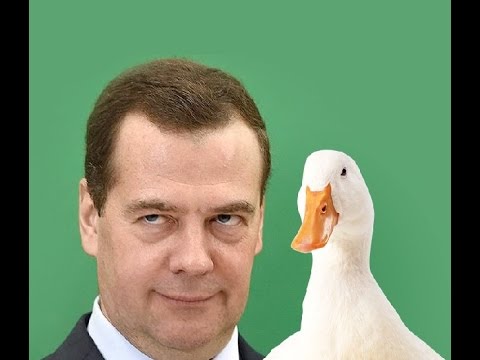
The photo shows a man in a dark suit and white shirt looking into the camera with one eyebrow mockingly raised. To the right of his shoulder is a white duck with an orange beak. The background is a plain green, the kind often used for cutting out figures, so the frame looks like a montage.
It is important not to confuse the picture with the symbol: here the duck is white, while on the streets there were yellow rubber toys. The image is connected to the story but does not reproduce the symbol exactly. It is a photomontage, not a documentary photograph.
Examples of captions and how they work
Below are three invented captions. They refer only to the joke about the duck, not to any specific decisions.
“The budget meeting is over, but the duck got a new house.” A formal meeting and a small, almost childish expense stand side by side, and the second half of the phrase shifts attention from a large sum to the bird.
“Asked about the expenses, they answered: it's all for the duck, she is very particular.” A serious answer is replaced by an absurd pretext, and the ridiculous reason sounds like an official explanation.
“A pier, helicopters, a hotel, and the main character in the frame is the duck.” The viewer expects a discussion of real estate and gets a discussion of the most conspicuous figure instead.
How to approach the template
The duck is political satire connected to a real person, and the investigation was disputed. That is why it is safer to build captions on the image of the duck and the absurdity of the situation, rather than on claims of crimes or personal qualities.
A good caption uses contrast: a serious suit and an official pose against the unflappable bird beside it. Better not to name specific sums or attribute to the person in the frame words he never said.