An Italian invented by a pasta argument
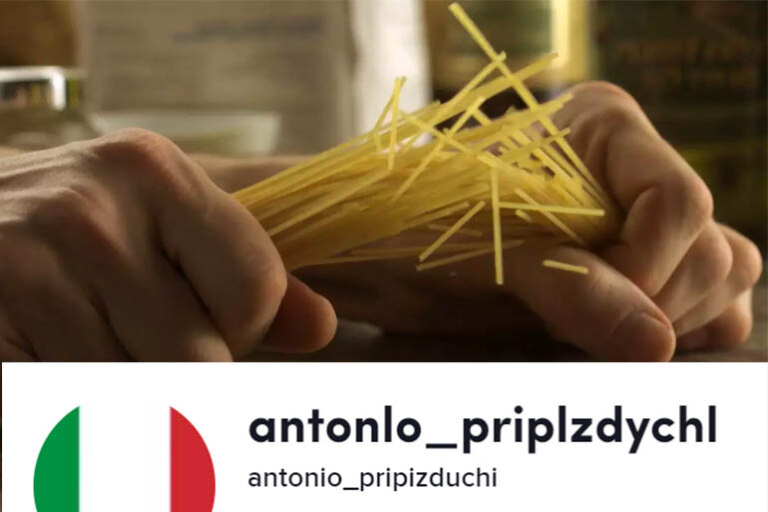
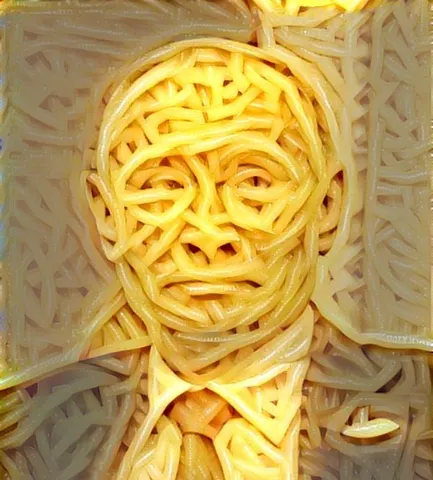
The local image shows hands holding dry spaghetti, and the lower part is styled as a post with a username and the caption “Antonio Pri[expletive]uchi.” This is a meme card, not a documentary photo of some man named Antonio. The character represents a comic image of an Italian who cannot calmly watch someone break pasta before cooking it.
The name sounds like a deliberately crude parody of Italian surnames and contains an obscene element in Russian. Online retellings link the character to short videos and a dispute over how to cook pasta, but a reliably established first publication or biography of the hero could not be found. Therefore one should not attribute the idea to a specific author or claim that this is a real Italian — the very fictionality of Antonio is part of the joke.
Why breaking pasta is funny as a plot
The topic of pasta has long sparked debates about traditions and everyday habits: some believe long spaghetti should be cooked whole, while others value the convenience of a small pot. The meme blows this argument up to the appearance of a fearsome defender of the rule. An ordinary kitchen detail becomes a reason for an almost criminal manhunt.
The character works as an invented consequence: you broke the spaghetti — and now they are already on their way to get you. The comic effect comes from the mismatch between a minor act and a theatrical threat. However, this is a caricature of internet arguments, not an assertion that all Italians treat pasta the same way. People cook differently, and the meme does not establish a mandatory norm for an entire culture.
The topic also shows how a cultural habit becomes a convenient international cliché: the viewer recognizes spaghetti even without explanation, and the invented surname instantly signals “a strict Italian.” This is a simplification, not a description of all people or of real Italian cuisine.
Examples of new deeds for Antonio
“Ate pizza with knife and fork — and a man with a very long surname is already standing in the doorway.” The plot expands the image of a defender of culinary rules without presenting him as a real participant. “Added ketchup to expensive pasta; now even notifications arrive with an Italian accent.” Here the threat remains clearly fantastical, and the consequence is comically domestic.
The character can be moved to another rule: “Folded a book page at the corner — and heard someone opening a closet full of bookmarks.” This preserves the principle of a minor infraction and an excessive reaction. These are new invented captions, not quotes and not a description of a specific video. The name is best used as a conventional label for the character, not as a hint at a real person or a national stereotype.
Caption and safe parody
In the original picture, the spaghetti itself is the main visual object. If you add text, keep the pasta in the center and place the threat or reaction below it. The name already carries part of the joke, so an additional caption can be short. For a comic strip, two steps will do: a violation of a kitchen rule and the sudden appearance of an invented enforcer.
Do not turn the character into a threat to a real person who cooks differently, or claim that he expresses an official position of Italians. It is more appropriate to present him as an internet fantasy of an excessively principled gourmet. Such a disclaimer does not weaken the joke: on the contrary, it preserves it as a play on a cultural stereotype rather than an attack on a specific cuisine or people.