What you hear in the format
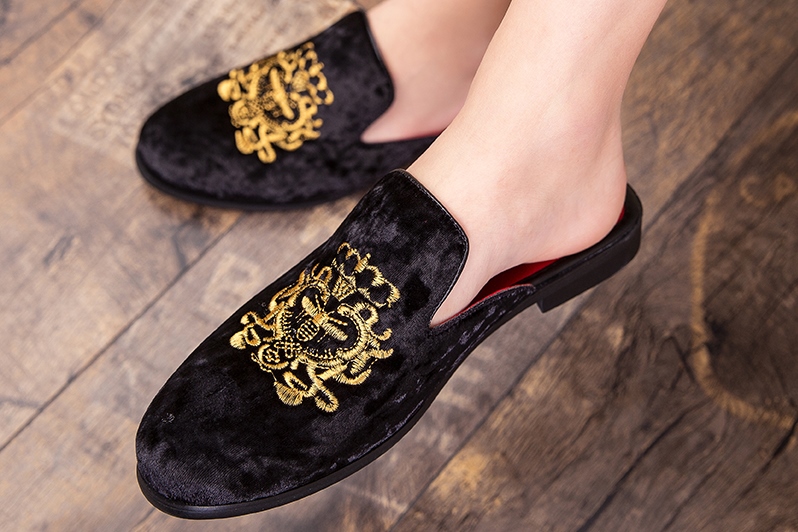
At the center of the meme is a male voice that says "barkhatnye tyagi" ("velvet tyagi") with emphatic relish. Here the word "tyagi" is tied to sneakers, although in everyday Russian it can also mean pulling force; the audio's context and visual shoe compilations settled on the joking reading of it as a name for sneakers or boots.
The word "kefteme" also appears; its meaning is explained through its sound and intonation rather than any stable dictionary sense. Articles give different versions of where the voice message came from, but no confirmed original file with the author's context has been found. So it cannot be said with confidence who recorded the audio, where, or what exactly the speaker meant.
How the audio became a visual joke
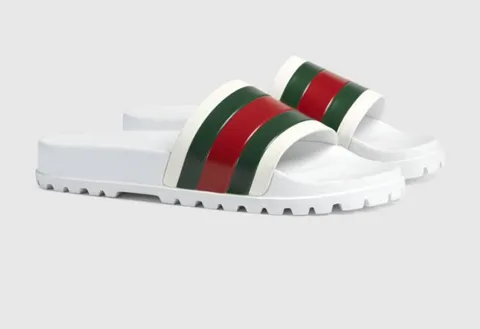
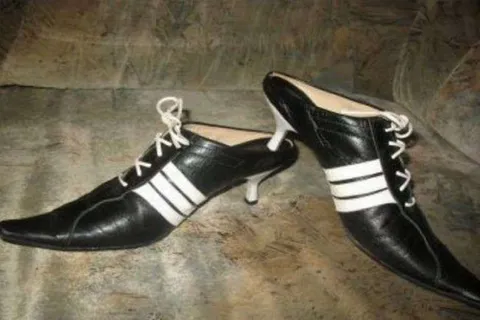
The short line broke away from its original situation and became a soundtrack for shoe videos. The screen shows a pair that looks unusually chunky, shiny, old-fashioned, or, on the contrary, trendy. The voice pays the compliment so warmly that even a strange item seems to get its own solemn unveiling.
The phrase then began to be used without images of specific sneakers: it is how people refer to coveted shoes, a comfy house pair, or just something they want to praise. This is a typical shift from a quote to a standalone expression. However, the exact date, the platform of first posting, and the author of the audio cannot be established; the years and versions of the spread differ between retellings.
What the meme expresses
The main effect is sincere admiration that sounds funny because of the unusual word pairing and the thick intonation. "Velvet" promises softness and luxury, while "tyagi" unexpectedly brings the image down to earth. Together they make an almost advertising-style phrase for any pair that ends up in the spotlight.
The template also works as kind irony about fashion: you can praise an elaborate design, old shoes, or a sale find. It is important not to assign the line a precise meaning it does not have in the recording, and not to present an etymology of "kefteme" as established. For this article it is enough to describe how people started using the words, keeping that fact separate from guesses about the author.
Caption examples
It's often captioned with lines like: "Found them by accident, and now they're my everyday velvet tyagi" or, for a really odd pair, "First I laughed, then I tried them on: kefteme." Here the words are the poster's own reaction, not an exact quote of a real person.
In a short video you can show ordinary shoes first, then zoom in on details and play the audio as the shot reveals. Caption: "Shoes for a meeting where nobody sent the dress code." Another one for a trip: "These tyagi survived three layovers and still look like winners." You don't have to repeat the formula: a tone of delight and a contrast with the item are enough.
In a shoe catalog the expression can caption a comparison row: "the ones for every day," "a pair for a bold outing," "surprisingly comfortable." The audio adds dramatic delivery, but without it the phrase still reads as a playful verdict on an item. Avoid a categorical explanation of "kefteme": no reliable etymology has been established.