What's in the picture
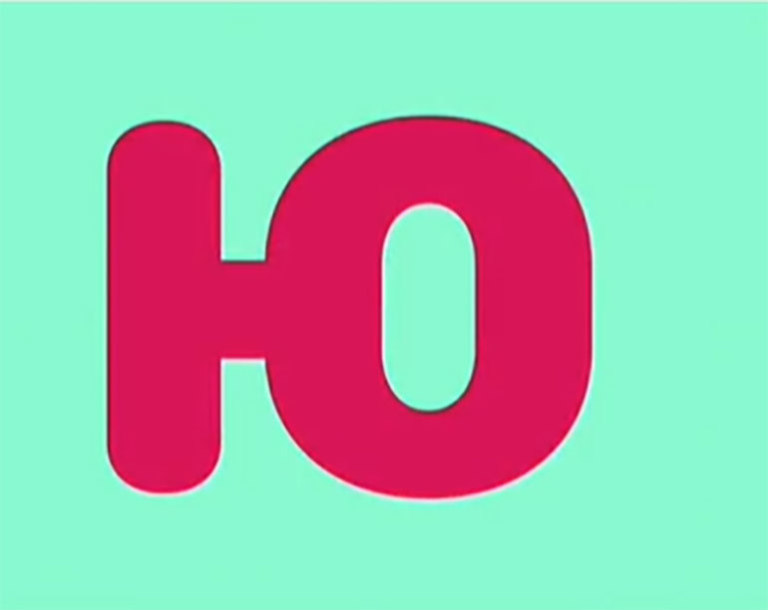
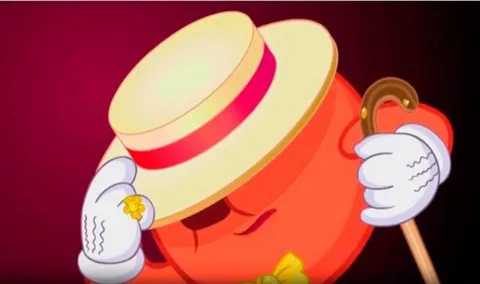
The frame is extremely simple: a single symbol, a red letter Yu with rounded edges and a thin light outline, set against a flat, light mint-green background. There are no people, no text, no caption in the frame. It's precisely this "educational" presentation, large, bright, one letter at a time, that makes the frame recognizable: it looks like a page from an alphabet book or a bumper from a toddlers' video.
What survived is exactly this clean frame with the letter, not the finished video edit with sound. Everything else, the voice and the intonation that turned the letter into a joke, is absent from the image and can only be described in words.
How the joke is built in the video
The meme comes from Russian TikTok in 2021. The basic device is a cut between two incompatible clips. The first is an educational fragment where a child or narrator cheerfully pronounces the letter's name. The second is a short line from an adult, delivered in a deliberately crude tone, expressing total indifference. The abrupt cut creates the comic effect: the prim little alphabet lesson suddenly ends in a line loaded with strong emotion.
The original phrase uses an obscene word, so it isn't quoted in this article; to understand the meme, it's enough to know that the letter Yu rhymes with an expression of complete indifference. Hence the name: the letter itself becomes a euphemism you can reply with, without any profanity appearing in the text.
Who exactly put together the very first clip hasn't been reliably established: different overviews give different versions, and one of them names a specific internet personality, but there's no confirmation from the original source. So with confidence one can only say where and when: TikTok, 2021.
When it's appropriate to answer with the letter
The meme works as a universal "filler" response to questions that keep getting asked over and over: when's the wedding, when are the kids coming, why don't you answer messages, are you joining the group chat. No facial expression or explanation is needed: instead of an answer, the red letter gets sent, and the other person fills in the rest themselves.
An important part of the joke is contrast. The more serious and formal the question, the funnier the childish alphabet-book answer becomes. If the question is light, or the other person is genuinely curious, the effect disappears and the reply just looks dismissive.
Caption examples
Example 1. A message from a relative: "So when are you finally going to settle down?" Reply: the frame with the letter Yu, no caption. This is the most common version: the image completely replaces words, and the silence only reinforces the refusal to discuss the topic.
Example 2. Caption: "Boss on Friday at 6:55 pm: can you take a quick look at one small report?" followed by the letter. Here the joke is in the rhythm: first an irritating request, then an empty response, so the reader understands the reaction without explanation.
Example 3. Caption: "My interest in discussing someone else's vacation for the fourth hour straight," plus the letter. It works because the everyday situation is described calmly while the reaction is exaggeratedly indifferent.
Example 4. Caption: "Exchange rates, the weather, politics, the news, me after the weekend," plus the letter. Listing different topics under one shared conclusion makes the image read as a general verdict rather than an answer to a single question.
How to use the template
The frame works best in chats and comments where you need to shut down a topic quickly. You don't even need a caption: the bright background and lone letter are already clear to anyone who knows the meme. Anyone unfamiliar with it needs a quick hint, or the image just looks like a random bumper screen.
Don't send it to someone discussing something genuinely important: the joke is built on demonstrative disregard and can come across as rude. Better to pick recipients who share the irony.