What the picture shows
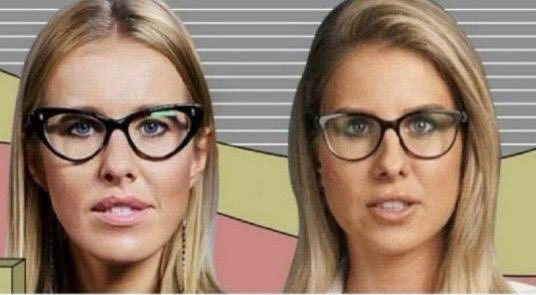
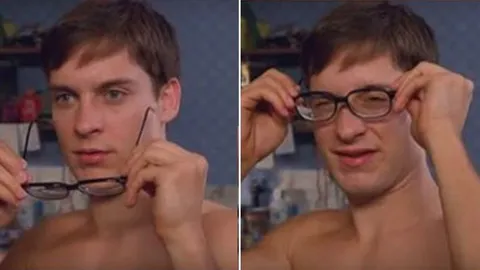
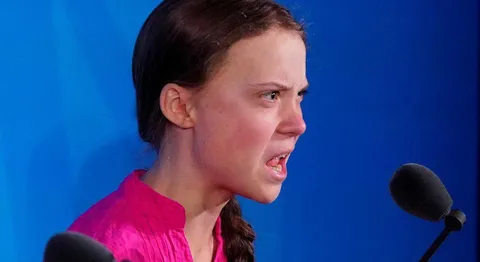
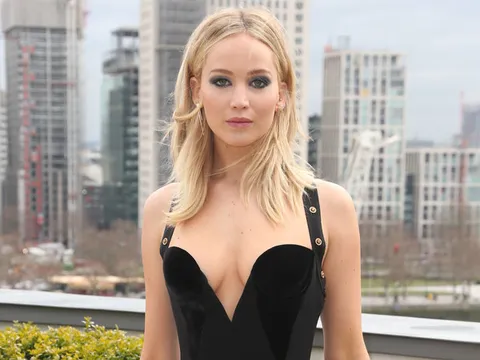
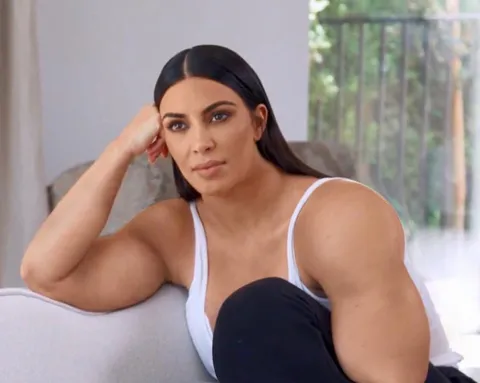
The image is made of two large portraits at the same scale. On the left is a woman with long light hair in black glasses with pointed upper corners; on the right is a woman also with light straight hair, but in round dark frames. The background has muted colored stripes and horizontal lines, like studio graphics.
The same angle, scale and slightly tense facial expressions make the resemblance more noticeable than it is in real life: the photos are chosen to emphasize what they share and hide the differences. This is a technique common to any comparison meme, and such a montage cannot be used to judge real resemblance.
Context: the public conflict of 2020
In 2020, Ksenia Sobchak, a journalist and TV presenter, and Lyubov Sobol, a lawyer and politician, found themselves at the center of a public dispute. According to the timeline of the conflict, on April 24 Sobchak criticized, on a radio broadcast, the idea of financial support for the population that Alexei Navalny had backed. The next day Sobol responded with a video address, in which she mentioned that she had proposed discussing the issue in a debate format back in February.
It is known that the debates were discussed: the sides argued over the terms, including the moderator and who had initiated the meeting. There is no information that the event ultimately took place, so the meme's name refers to the conversation about the debates itself, not to a specific broadcast.
Why the resemblance joke works
The meme is built on recognition: the viewer notices the light hair, the glasses and the direct gaze, and the question arises of who is who. Once the resemblance is noticed, it starts to be inflated: at the intersection of politics and appearance, an absurdity is born in which people get confused even though they have different positions and biographies.
It is important to separate the joke's premise from the people themselves. The meme says nothing about the heroines' views and draws no conclusions about their political positions. The external resemblance is a random pretext, not an argument.
Examples of captions
The collage is most often captioned with jokes about confusing people who look alike: “When two people with the same avatar are in the chat,” and it is immediately clear that without a name you cannot tell who is who.
An everyday comparison also works, without any link to people: “The original and the discount in the store” turns the double portrait into two seemingly identical products with different prices.
The picture is also captioned with office routine: “Who of us writes in the work chat and who replies,” about two colleagues who are constantly mixed up.
The same snapshot is also captioned with an everyday choice that makes no difference: “Choosing between two identical hats,” another variant of the template about how there is, in fact, nothing to choose from.
Using the template carefully
Take the picture as a shared image of doppelgangers and do not tie it to an assessment of the heroines' real actions. Captions that attribute words, opinions or deeds to them are better not written: a meme about appearance should not turn into an accusation.
Everyday comparisons work well, where two identical things or two people in the same situation are shown. Do not go beyond the resemblance: the more neutral the caption, the longer the joke lives.
One more rule: the caption should work even without knowing the politics. If the joke has to be explained through references to events, it is no longer about resemblance but about the dispute, and the meme loses its lightness.