A random line and a linguistic snowball
In late June 2024, a short clip of unknown origin was circulating in Russian-language Telegram channels. In it, a form of the word 'dudolit' was heard; the phrase quickly broke away from its original context and became material for wordplay. 'Dudoling' then emerged as the name for the meme itself. Meme roundups date the active spread to June 22–25, but that gives no grounds to call a particular post the first use or to treat the quoted wording as a verified, complete quote.
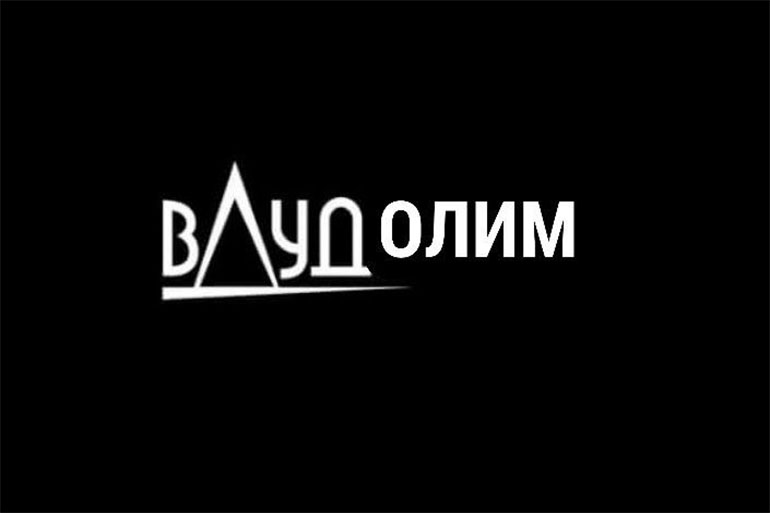
The illustration is almost empty: a black background with large white text arranged as wordplay on the letters of 'dudoling.' There's no separate character or storyline in it. That sparseness reflects how the short sound itself became the object of the joke: it can be repeated, inflected, stretched out, and dropped into new combinations.
The meaning shifts with its surroundings
A dictionary definition explains little here: what matters inside the meme is the deliberate multiplication of the form. 'Dudoling' is at once a sound, a verb, and a makeshift name for a meaningless meme. Post-irony kicks in when participants already know the phrase came out of a serious conversation but keep treating it as if it were some new universal theory. The less fitting the word is in a neutral context, the more noticeable the gap becomes.
The word doesn't work as a neutral stand-in for 'to do' or 'to discuss,' so it only really fits in its playful sense. The exact meaning of the original clip and its full context shouldn't be reconstructed from a short copy or a retelling; this article describes the wording that circulated, not a verified statement. The meme version is likewise not the same as a full quote of the original speech.
New uses for one strange form
A made-up caption for a deadline: 'The schedule got pushed back again. The calendar's dudoling has begun.' Here the word stands in for some unknown 'process,' and the solemn phrasing turns ordinary confusion into a pseudo-scientific event. A second example, for a chat about drinks: 'Someone's dudoling their coffee, and someone else is describing it as an economic cycle.' The joke plays on the verb's ambiguity, but turns it into an absurd report.
Another variant: 'A new call has been scheduled. The dudoling of plans continues.' The repetition itself serves as the punchline: the reader doesn't need to decode anything hidden, just recognize the word and notice its out-of-place presence. These wordings are made up as examples and are not actual historical posts from Telegram channels.
Where the meme fits
The black panel works as a quick reaction in a familiar circle that already knows the sound or the word. In a message you can use it as a deliberately meaningless verb; in a video, you can voice over a mock-serious description of a trivial thing. It helps to pair it with a clear, understandable event nearby, so the reader sees that the word is being used playfully. If every part of the joke is explained, the absurdity falls apart, but with no context at all it can look like random profanity.
The form is crude, so it fits poorly with an unfamiliar audience, work correspondence, or talking with children. Don't direct it at someone as an insult unless you're sure they're in on the joke. A version with a made-up object or your own plans keeps the nonsense intact and lowers the risk of turning the ambiguity into an attack.