The frame: a title everyone recognizes at once
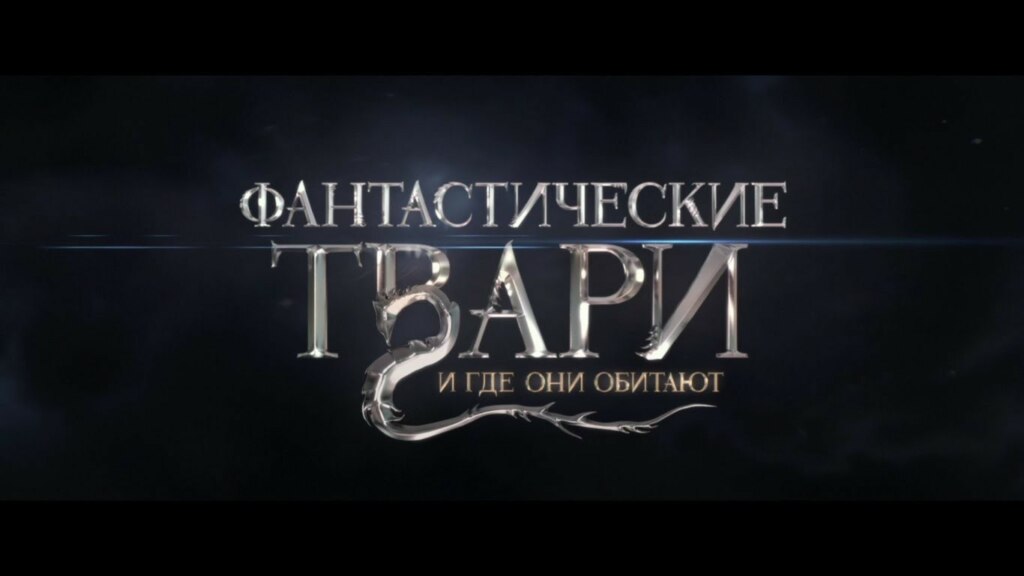
The image shows a frame from the title card, not a scene from the film. Black bars at the top and bottom show that it is a crop from a widescreen clip. The background is dark, with a light haze and a thin bluish line of light above the words.
The title is set in a silvery metallic serif typeface. Around the letters of the word BEASTS, the tail of a creature resembling a dragon curls along the line and drops down. Below the main title, in smaller light letters, it reads: and Where to Find Them. It is this second half that the meme most often changes.
Where the title card comes from
The film came out in 2016, directed by David Yates. The world premiere took place in New York on November 10, 2016, and the film was released in cinemas on November 18. The screenplay was written by J.K. Rowling. It grew out of a guide to magical creatures that she published in 2001 for a charity campaign; the book was credited to a fictional author, magizoologist Newt Scamander.
That is why the title is familiar even to people who have not seen the film: the words fantastic beasts sound like the heading of an encyclopedia. This is what makes the formula convenient for jokes.
How the substitution works
The formula X and Where to Find Them promises a field guide: name a creature and the place where you can find it. The viewer expects geography: a forest, a cave or the ocean. The meme subverts that expectation: instead of a place, an action, a state or an everyday question appears.
The picture does not change. The frame keeps all its solemnity, while the text becomes mundane. The more serious the design, the funnier the simple phrase attached to it sounds.
Caption examples and why they work
“Fantastic Beasts and Where They Get Money for Holidays.” The expected place is replaced with a financial question. Magical creatures receive the kind of worry familiar to anyone.
“Fantastic Beasts and Why They Don't Answer in the Chat.” The creatures behave like a conversation partner who sees the message and stays silent. Recognizable behavior brings the myth into ordinary messaging.
“Fantastic Beasts and Where They Hide the Charger.” The hunt for monsters turns into the hunt for an object in an apartment, and a story about something missing is clear to everyone.
“Fantastic Beasts and Who Actually Made the Tea.” The question of responsibility in shared household life works like a small detective plot.
What is known about the origin of the template
The film and its title card are described in detail, but the history of this particular substitution is poorly documented. Similar captions appear in different communities, but the author of the first version and the date it appeared have not been reliably established.
The year 2016 refers to the film, not the meme. The time when the template began to spread is not known.
How to write your own caption
Replacing two or three words at the end works best. The first part of the title should stay untouched, or the recognizability is lost. The new phrase should describe a specific action rather than an abstract notion: where they hide the charger is funnier than what they think.
It is handy to check the caption for contrast: if the serious tone of the title card and the everyday answer together make you smile, the template has worked. Another rule is not to overload the caption: a long phrase does not fit under the title card and kills the solemn pause.