Where the phrase came from
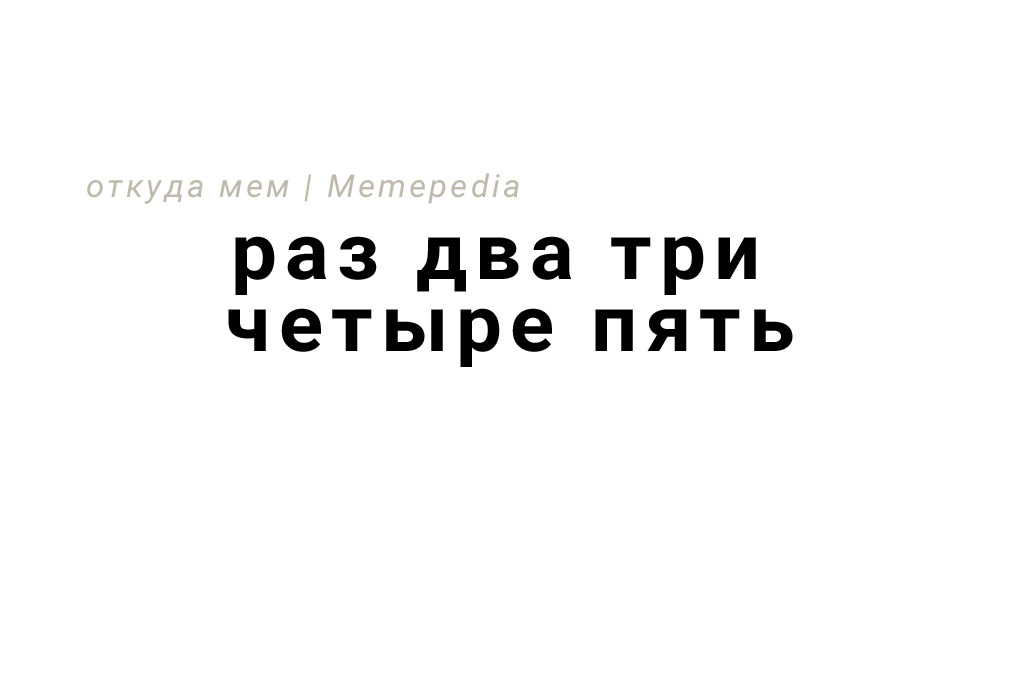
The exact author of the phrase and the first publication that sent it into wide circulation are not known. It's known that by 2017, identical messages made up of a counting sequence of words had started regularly appearing in the comments under popular VKontakte communities. The formula "one two three four five" looked like a simple count, but in fact it became a way of getting around the automatic deletion of short comments.
According to an account known from online discussions, the social network deleted messages with fewer than five words. To get past the filter, users padded their short reply with extra words, and the counting line became a typical comment that passed the check. The mechanism itself was never officially described by the developers, so its exact parameters should be mentioned with caution.
How the spam worked
Comments with this phrase were usually posted under news items, memes, and posts of major communities where the number of reactions was high. A user who had nothing to say could simply send the counting line, and it would stand out in the feed. Over time, such messages became a recognizable mark of mass spam rather than a meaningful reply.
An important feature of the meme was that it mocked the very genre of commenting for the sake of being present. People understood that the line carried no meaning, and that's exactly what made it funny. The phrase worked as an ironic caption for the idea of "I'm here too, and I also wrote something," with no attempt at saying anything substantive at all.
Variants of use
Later "three four five" came to be used outside the social network as well: in chats and on forums, when the other person replies formally or writes something very short and meaningless. The phrase could also appear as a reference to the very situation of an author obviously trying to pad out a reply to the required number of words.
It's also used jokingly, when someone writes "three four five" instead of a real answer, signaling that the topic doesn't interest them. In this usage the meme loses its connection to any specific algorithm and becomes a general label for an empty but polite response that can be used to close out a conversation.
Social-network context
The meme appeared during a period when major Russian-language communities were actively battling a flood of spam and bots in the comments. Community administrators and users themselves often complained about identical messages cluttering up discussions. The joke about "three four five" turned out to be a handy way to describe this phenomenon without excess bitterness.
The phrase is also telling of mid-2010s internet culture, when short captions and repeated formulas quickly turned into stable symbols. Its simplicity made the joke easy to transfer to other contexts, and its recognizability reduced the need for explanation. That's why, even years later, many users understand what's being referred to when they see this line.
Conclusion
Today "three four five" remains a reminder of the early period of social-network spam and attempts to get around automatic moderation. The meme has survived thanks to its precise irony: it mocks empty comments while also being one itself. It's a rare case of a technical restriction becoming the basis for a lasting internet joke.