A simple drawing for comparison
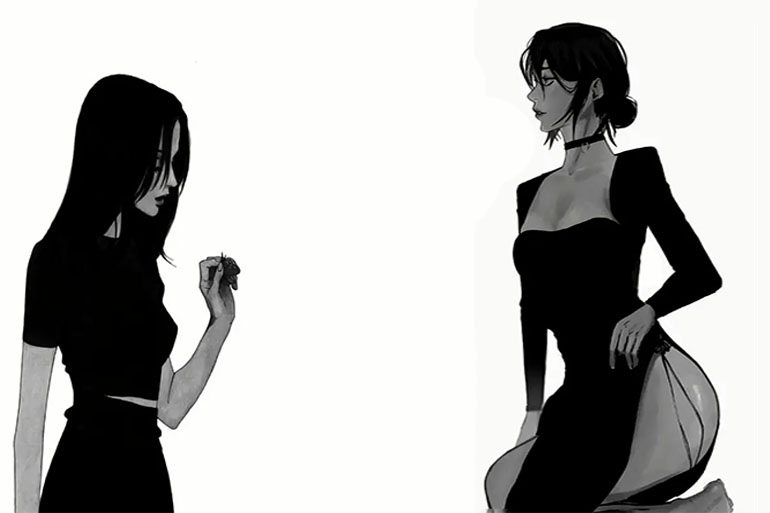
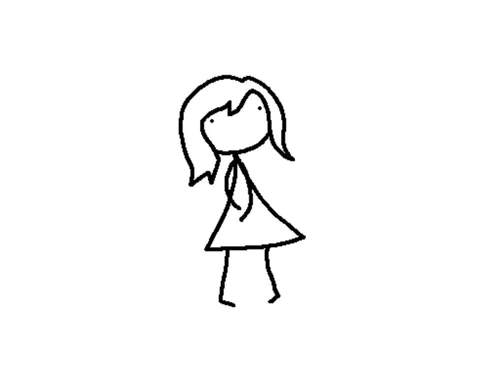
The template usually shows two drawn figures in black dresses facing one another. There's no complex action between them, so the main meaning is created by the text labels. One girl can be captioned as "before" and the other as "after," or each can be given an opposite preference. The image serves as a visual frame for comparison and doesn't by itself contain a ready-made story about who's right.
Because of its minimalist composition, the drawing reads clearly even in a small preview and transfers easily to all kinds of topics — from a change of style to how evening plans diverge from what actually happens, as in the examples below. The figures are often left unnamed: rather than portraits of specific people, they become generic roles. So the caption has to make clear what the two sides actually differ in, or else the picture remains just an illustration.
The drawing's authorship and spread
The drawing is linked to an artist who published work under the name Rune the Moo; versions of it began spreading actively online in the early 2020s, with a notable wave of memes in 2023. In reposts, the image was often separated from the original post, so individual cropped versions could lose their caption and context. If the exact source version isn't visible, it's better not to assign a date to a specific copy.
The shift from illustration to template happened thanks to the open-ended composition: the two figures already set up a "this one versus that one" relationship, leaving users only to name the categories. The reading that contrasts a young woman and an older one is one possible interpretation, but not the only valid one. Without text, the characters' age or personality isn't confirmed by the drawing itself and depends on the particular remix's author.
How the contrast works
Two figures on the same level let the viewer compare the sides directly. Usually one caption describes a familiar norm, the second an unexpected preference or a change with age. The comedy appears when things of different scale are juxtaposed: "me on weekdays" and "me on vacation," or "the plan for the evening" versus what happens after inviting friends over. You can also show two equally appealing choices and not declare a winner.
An important feature of the format is that it doesn't explain the reason for the difference. That leaves room for the reader's own experience: the caption can be personal, generational, or situational. But that same openness can reinforce stereotypes if it's used to contrast "right" and "wrong" girls. The image itself doesn't require such a divide, and more precise categories make the joke kinder and clearer.
Example captions
"Me at the start of the trip" / "Me at the end of the trip, still photographing every road sign." Here the figures mark stages of a single story. The caption might accompany a shot of a suitcase or tickets, but the illustration itself already supports the comparison.
"Planned to buy one book" / "Saw a discount on the whole series." This version is built on a small, recognizable deviation from one's own plan. It doesn't mock people who like to read — it shows a specific decision.
"An evening with no notifications" / "An evening when a friend sends a photo of their new cat." The contrast is explained by emotion and doesn't require assigning the figures an age or social role. These captions were made up for the example and aren't historical labels on the original.
Preserve the image's context
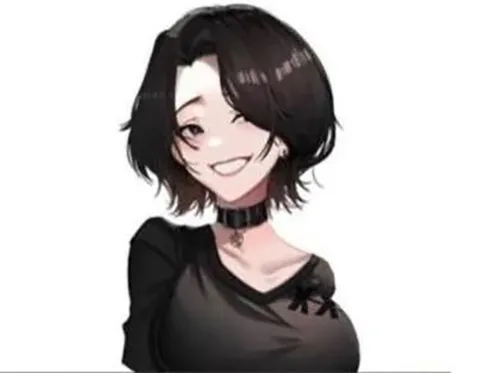
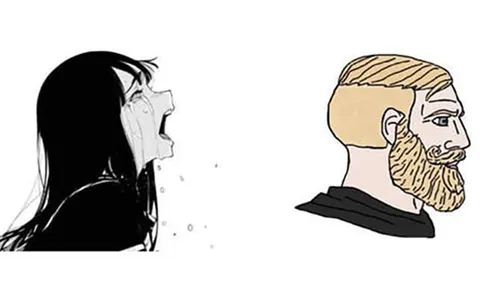
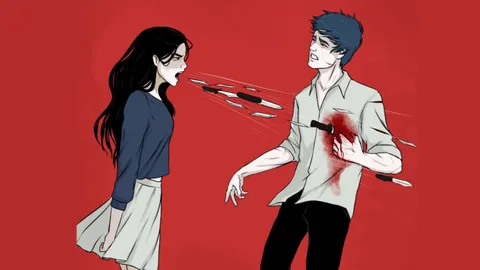
If the picture is used without text, the viewer can't know which specific groups or preferences are meant. Captions in later posts aren't part of the original drawing unless confirmed by a specific version. Keep the artist's original work separate from user memes built on it: remixes can change colors, clothing, and the figures' relative positions.
For respectful use, avoid sweeping statements like "all girls past a certain age choose exactly this." That kind of formula easily turns into a stereotype and doesn't follow from the template. It's better to describe your own experience or a specific situation, so the viewer understands they're looking at a joke about two options, not a claim to precisely describe an entire group.