What's shown in the photo
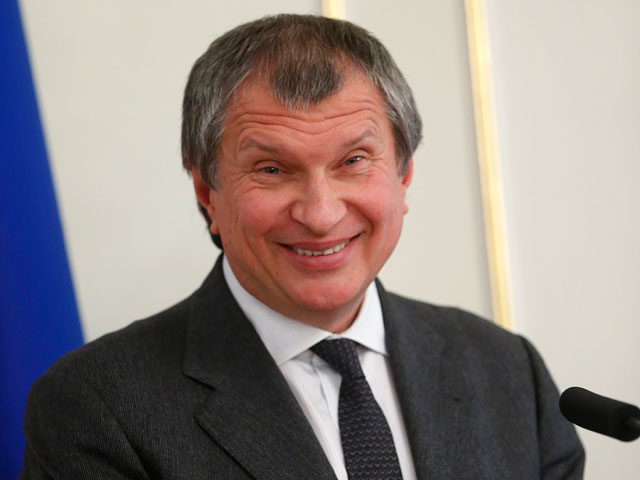
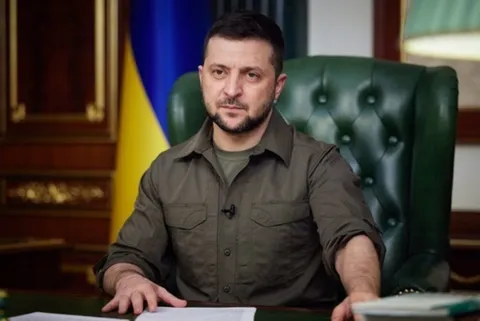
The photo shows a middle-aged man with short, graying hair, smiling broadly. He's wearing a dark suit, a white shirt, and a dark tie, standing at a microphone against a light-colored wall and a blue flag. This kind of shot is typical of official events involving journalists, where politicians and company executives answer questions.
The photo itself says nothing about the case, and the meme isn't built on the photograph but on the phrase. The image turned into a recognizable "card" for discussion once captions tied to the bag, the sausage, and the bribe started being added to it. The man's smile reads, in this context, as an ironic reaction, but that's already a user interpretation rather than part of the photograph itself.
The story of the case and the meme's origin
The meme is tied to the case of Alexei Ulyukaev, who was detained in November 2016 on suspicion of taking a bribe. Investigators believed he had received around two million dollars in a bag from Igor Sechin, and that this money was connected to a decision regarding Rosneft's acquisition of Bashneft. Ulyukaev categorically denied his guilt, and at the end of 2017 he was sentenced to eight years in prison.
A key piece of material was a recording of a conversation that featured in the case files. According to the recording, when handing over the bag Sechin told his interlocutor that it contained sausage. The phrase quickly spread online: first in discussions and comments, then in the form of pictures and captions. The contradiction between a mundane joke and an accusation of a massive bribe immediately became a source of irony.
How the meme is used
In Russian-speaking discussions, the expression "Sechin's sausages" is used to describe a gift or a favor that conceals a hidden interest. For instance, it's an ironic way of referring to a "souvenir" from a company that is, in fact, payment for a decision. The words sound innocuous, so they're conveniently applied to any situation where a seemingly small thing conceals a large deal.
As with other political memes, the captions often combine humor and sarcasm. Users put phrases about a "magic basket" or a "holiday gift" under images of Sechin, and in more elaborate versions compare him to the Trojan horse. Such captions don't add new facts but serve as a way to discuss the case without official rhetoric.
Why the meme stuck
The meme's staying power comes from the combination of an everyday image and a political context. Sausage and a bag are objects from everyday life, so the phrase is easy to remember and repeat. When the mundane and a high-profile accusation come together in a single line, a comic contrast arises that works regardless of how familiar someone is with the details of the case.
The second factor is the association with well-known literary and historical imagery. The Trojan horse is the story from Greek myth about a gift that concealed soldiers inside. When the meme links the sausage to this image, the meaning becomes obvious without any further explanation: a seemingly innocent gesture hides a calculation. That's exactly why the expression is easy to bring back into conversation whenever a new case comes up in which a gift turns out to be payment.