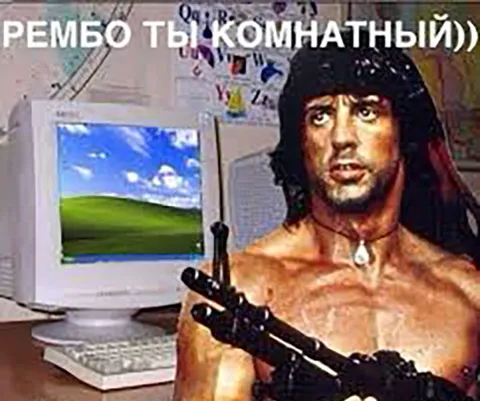
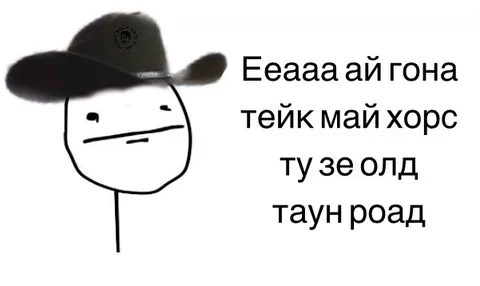
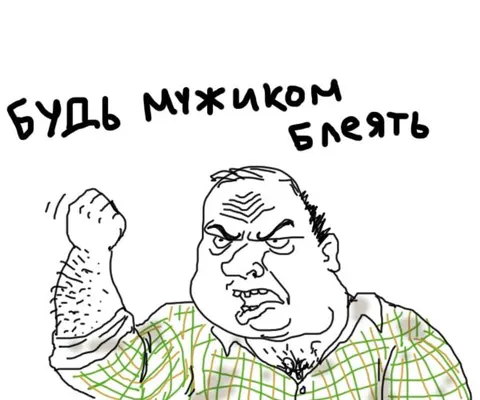
the swaggering skeleton
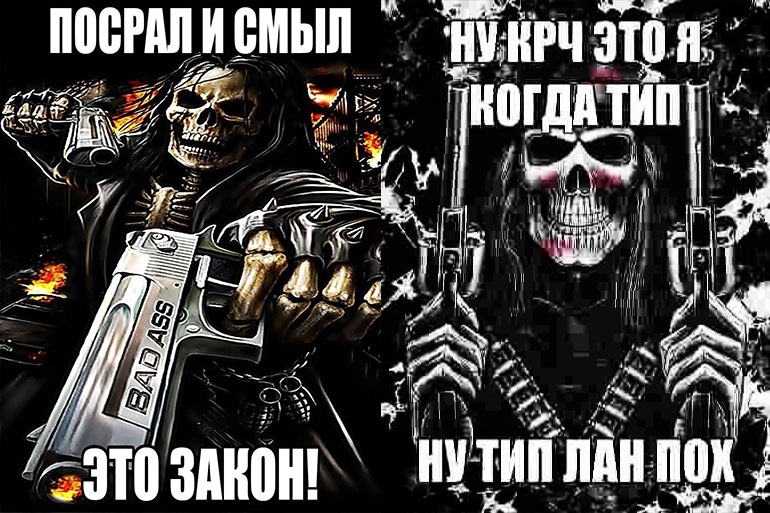
In the collage, the skeletons are dressed in dark clothing and posed with weapons, as if they were action-movie heroes or figures off a heavy metal album cover. Large captions about "cool" characters are layered over the images. The contrast between the deadly seriousness of the skulls and the mundane or nonsensical wording creates post-irony: the picture is ostentatiously staging toughness, and it's precisely the excess of swagger that makes it funny.
The image of an armed skeleton existed in internet art long before this particular picture. Similar illustrations showed up in tattoo and goth aesthetics before turning into macro images with text above and below. The exact original source of these two specific frames is unknown. So this piece describes a whole family of formats rather than claiming this picture was the first or only skeleton meme.
post-irony instead of heroism
Early versions of this kind of image might have looked like sincere glorification of a grim hero: leather, weapons, smoke, a dead-ahead stare. But repeating those details to excess turned them into a parody language. Now a creator can put a completely unserious phrase under the image, and the viewer reads the gap between the menacing look and the silly content. The more mundane or pointless the caption, the stronger the effect.
This kind of humor is often called post-ironic, because it's unclear whether the creator genuinely thinks the skeleton is cool or is deliberately overplaying it. That ambiguity is part of the fun: the audience can admire the strange image and laugh at its own swagger at the same time. The format doesn't need a precise reference to a specific film, game, or band; a familiar visual set and a confident tone are enough.
how to write the captions
The simplest move is to give the grim skeleton a mundane task: "Sent the last email of the day," "Defended the last slice of pizza," or "Opened the fridge and remembered there's no food left." The formal pose turns a trivial matter into an epic battle. Another option is to caption the two characters as a dialogue, with one justifying some absurd decision and the other solemnly backing him up.
Since the image uses short captions and paired pictures, it also works well for comparing two states: "the plan for tonight" versus "the plan after a message from the boss." If the template includes weapons, they stay part of the fantastical image rather than a practical suggestion or an endorsement of threats. The joke rides on the contrast between armor and guns and some small everyday annoyance, like a skipped lunch — not on endorsing actual violence or weapons.
history and the limits of the image
The "cool skeletons" format continues a broader internet aesthetic in which scary or grim characters function as comic heroes. Some versions became popular around Halloween and in themed communities, others were built from photos of a single skeleton with a gun. Since there are so many variants, they can't be reduced to one origin date or credited to a single author.
This particular picture reads as a parodic composition with several skeletons and text, not as a documentary photo or a scene from a known story. New captions can range from gothic bravado to everyday absurdity. That distance matters: the skeleton is a stand-in character, and violence shouldn't be carried over from a graphic joke into an actual threat against a real person. For instance, the caption "we only came for five minutes" next to this menacing crew turns the scene into a joke about overpreparing for an ordinary get-together.