What's shown in the picture
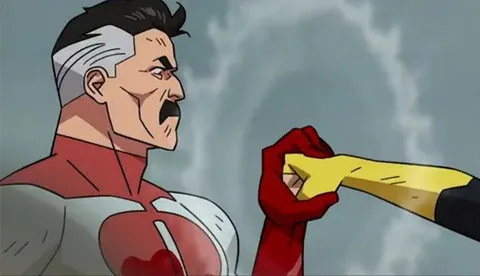
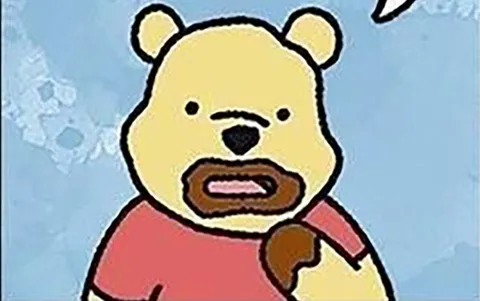
The image shows a smiling man in a golden helmet with a wide grin and a thumb raised up. He looks straight at the viewer, and his whole posture reads as demonstratively approving. The background is a bright sky with clouds and bluish mountain silhouettes, done in a comic-book illustration style.
It's precisely the contrast between the character's open joy and the phrase's meaning that makes the picture work as a meme. The smile and the gesture of approval look as if something witty has just been said, while the caption is usually meant to express skepticism or mockery.
The character himself isn't tied to a specific piece of internet history: his role in the meme is to serve as the visual backdrop for a sarcastic caption. That's why, when the picture gets applied to other topics, the meaning holds up — only the text above it changes.
Origin
The phrase "Cool Story, Bro" started spreading in the English-speaking internet around 2008. It was used on forums and in comments as a reply to a message where someone shared a story with no proof or recounted a mundane episode in excessive detail. The phrase's exact original source, and the first person to use it in this sense, are unknown.
The picture of the character in the helmet appeared later and became fixed as a visual pairing for the phrase. The meme's card lists 2008 as the starting period, and the specific comic or publication the frame is taken from isn't named, so its origin shouldn't be stated without verification.
How the meme is used
The phrase gets used in reply to unsubstantiated claims that no one has bothered to back up. For example, if someone confidently retells rumors with no sources, the response "kulstori" appears — an ironic refusal to take what was said seriously. It's also used against trolling and drawn-out texts nobody wants to read.
In the Russian-speaking world, "kulstori" picked up another meaning — a softer alternative to the blunt phrase "nobody cares." The phrase lets you express indifference without being directly harsh, which makes it convenient for arguments and exchanges where someone wants to stay polite while still signaling boredom or disagreement.
The phrase also often shows up in reply to long recaps where the point could have been made in two words. In that case "kulstori" immediately turns the conversation into a joke and spares the other person from having to politely sit through the obvious.
Why the meme works
The phrase's main power lies in its duality. The address "bro" sounds friendly, while the content expresses disdain, and that contrast creates the irony. It's hard for the other person to respond seriously, because the tone itself has already turned the conversation into a joke.
The picture of the upbeat character amplifies the effect: the open gesture of approval sounds sarcastic next to a phrase about a boring story. That's why the meme became a universal way to say "yeah, right" without aggression, and why it's kept being used years after it first appeared.
It also matters that the phrase adapts easily. Every language finds its own equivalents, but the Russian version "kulstori" kept the friendly tone and the irony, so it can be used in both a serious conversation and a joking exchange.