What's shown in the picture
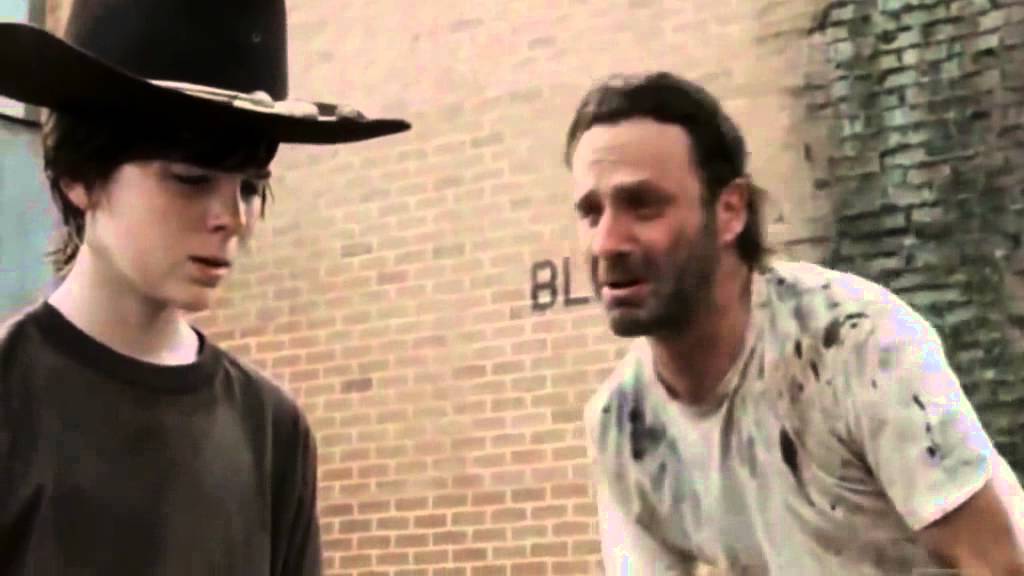
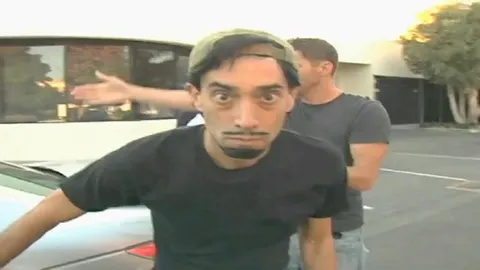
The shot shows two characters standing in a brick alley. On the left, a teenager in a black wide-brimmed hat and a dark T-shirt looks off to the side with a serious, slightly worried expression. On the right, a man in a light-colored T-shirt stained with dirt and dark marks leans toward him, saying something, looking anxious and exhausted.
The rough brickwork, half-faded writing on the wall, and grim lighting create a sense of an abandoned place. The shot is instantly recognizable to viewers of the show, so in memes it's often used as a visual reference to a specific scene. One glance at the hat and the facial expression is enough to recall the whole context of the story.
The character and the show
"The Walking Dead" is an American TV series created by Frank Darabont based on the comic of the same name by Robert Kirkman. It premiered on AMC in 2010 and quickly became one of the most popular shows in the US. Carl Grimes is the son of Sheriff Rick Grimes, played by Andrew Lincoln. Carl was played by Chandler Riggs, and it's his character who became the focus of most of the memes.
Carl starts the story as a child and, as the show progresses, turns into a teenager forced to make harsh decisions for his own sake and that of his loved ones. This coming-of-age arc became one of the most discussed storylines and gave viewers fertile ground for irony. Audiences watched the boy lose his childhood naivety, and that transformation became the foundation for the jokes that followed.
Origin of the meme
The exact author of the first meme-comics and the date the jokes appeared haven't been established. It's known that jokes about Carl spread in the early 2010s in both English- and Russian-speaking communities as the show was gaining popularity. The 2015 tag points to the period when the image became regularly used in pictures and captions.
The "meme-address" format means the character's name is used as a form of address to the other person, or as an ironic caption. For example, a caption like "Carl, really?" turns the character's line into a universal response to someone else's absurd statement. The name works as a label, and the reader immediately understands the tone being set.
The meme-comic is usually built from several panels with the same character, where his line or facial expression turns an everyday situation absurd or grim. This format is easy to repeat, which is why different authors created their own versions while keeping the character's recognizable manner.
How it's used
Typical captions play on Carl's growing up: his seriousness in an inappropriate situation, his attempts to seem older, or a child's harsh decisions in a world full of zombies. The joke is built on the contrast between a childlike appearance and adult circumstances, and it's exactly this contrast that makes people who know the plot laugh.
Another popular device is transplanting the scene into everyday life. The character starts commenting on mundane situations with the same grim calm he uses to talk about survival. For instance, an ordinary trip to the store or a boring meeting suddenly turns into something resembling a dangerous expedition, and this comic shift works reliably every time.
Why the meme works
The meme relies on recognizability. It's enough for the viewer to see a familiar shot to recall the show and its atmosphere. This visual code lets a short caption work without any explanation, which is the main condition for an internet joke's popularity.
The second reason is emotional connection to the character. Viewers followed Carl's growing up for many seasons, so his lines feel understandable and even personal. The joke becomes a way to express a shared attitude toward the show and its tragedies, and fans readily share such pictures.
Finally, the show's grim world creates a strong contrast: any everyday annoyance looks comical against the backdrop of the apocalypse, and the meme helps play up that contradiction. The more serious the tone of the source material, the funnier its reinterpretation looks.