What the picture shows
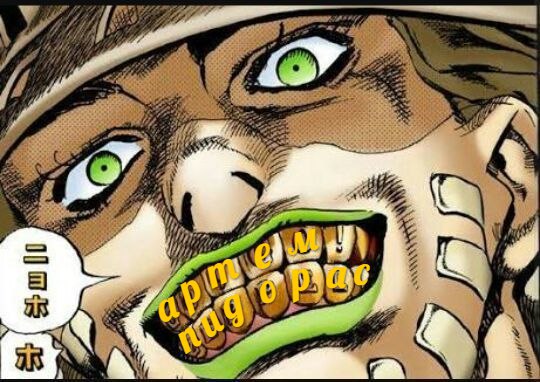
The image is a close-up of a character’s face in manga style: green eyes, a snarl with sharp teeth, and distinctive patterns on the skin, typical of the art style of Hirohiko Araki, the author of “JoJo’s Bizarre Adventure.” It is one of the most recognizable frames of the antagonist Dio Brando, who in the original delivers a cult line in Japanese. In this version, the text in the character’s teeth is replaced with the Cyrillic caption “артем падает” (roughly “Artyom is falling”), while the Japanese characters to the left of the face are left almost unchanged. The contrast between the original anime aesthetic and the deliberately mundane Russian caption is the point.
The “Name” meme genre on the Runet
“Memes About Artyom” belong to a broad and enduring genre of Russian-language internet humor: jokes built around one specific common name. Following the same pattern, cycles of jokes about Timur, Dima, Vasya, Seryoga, and other names have existed at different times. An author comes up with short absurd statements or scenes starring a generalized bearer of the name, not a real specific person.
Such cycles usually have no single author and no single starting point. They are assembled from many separate jokes launched by different users, public pages (паблики) and forums, and then grouped by the audience under a common tag or collection simply because they play on the same name.
Mechanics of the humor
The comic effect in such jokes comes from the clash between a serious, sometimes pompous visual, like the menacing face of Dio from “JoJo,” and a deliberately mundane, absurd phrase about a hypothetical “Artyom.” The more dramatic and powerful the original image looks, the funnier the small everyday caption seems, even though it has nothing to do with the original storyline.
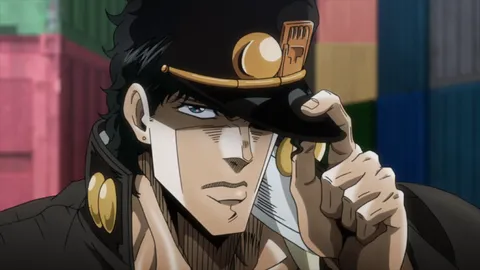
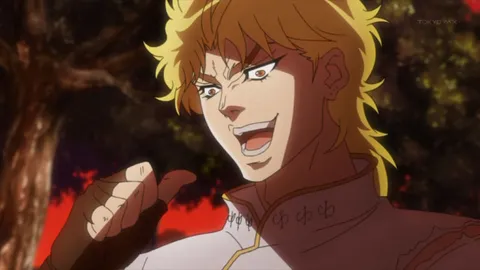
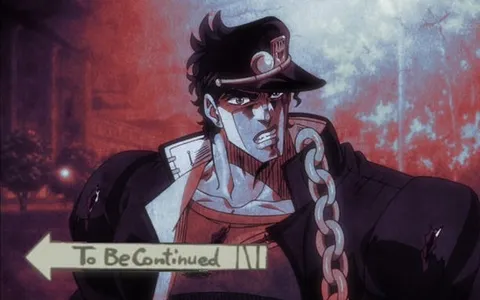
By using ready-made, already recognizable meme templates from anime and pop culture, authors save effort on creating new visual material, and at the same time amplify the effect through the recognizability of the original frame for viewers familiar with the source.
Origin and spread
Who first launched the series of jokes specifically about Artyom is not established in open sources. The tag is dated to 2014, which means jokes about Artyom were circulating on the runet before the peak of meme culture built on “JoJo” frames, which came in later years. The visual format with Dio Brando most likely joined an already existing cycle of name jokes later.
Cycles like this live on through constant replenishment with new images and phrases. Users named Artyom, along with their friends and acquaintances, recognize the template and create their own variations, keeping the topic alive for many years without being tied to any specific event or news hook.
Tone of the jokes and audience reception
An important feature of such “name” cycles is the lack of a specific target. The jokes are formally addressed not to a real person with a particular biography, but to a generalized, almost mythologized namesake character whose traits are assembled from dozens of different anecdotes and pictures. That is why millions of people named Artyom tend to meet such memes with recognition and self-irony rather than offense. The format is perceived as part of the common culture of name jokes familiar to any runet user.
Among similar templates that apply the same contrast of a dramatic image and an everyday caption to different names, the “Artyom” phrases remain one of the long-lived examples. The tag, dated to 2014, is regularly refreshed with new variations adapted to the visual meme templates from games, anime, and films that are current at any given time.