Who is shown in the pictures
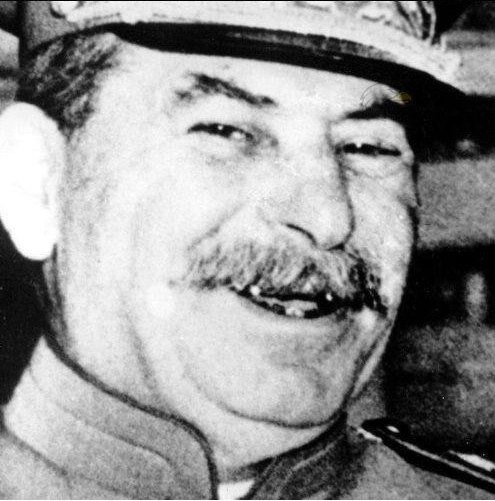
The memes use a photograph of Joseph Stalin, leader of the USSR from the late 1920s until his death in 1953. In the photo he's smiling broadly with his eyes slightly narrowed, and it's exactly this expression that creates the comic effect: his face looks friendly and strict at the same time.
The image is used as a recognizable symbol, not as a serious attempt to judge the historical figure. Stalin has long since turned, in the Russian-speaking internet, into a set of pictures and fixed jokes that are usually used ironically, so the viewer grasps the intent at once, with no further explanation needed.
The four-panel structure
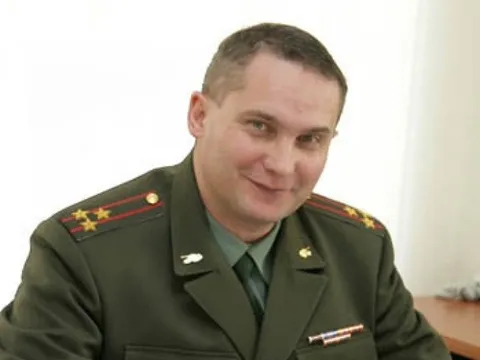
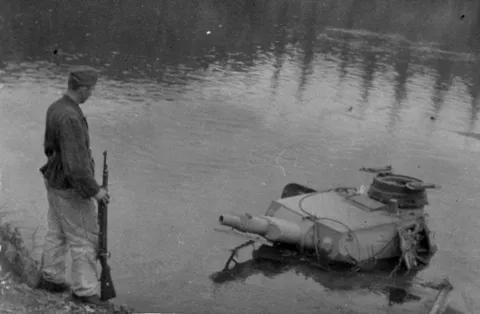
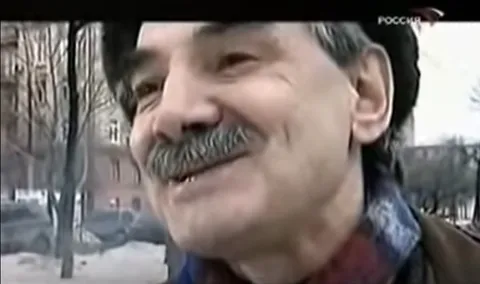
The picture typically consists of four panels. In the first, a brand name or a line of text starting with "My" appears. Next, Stalin shows up and reacts to the phrasing, and the last panel closes the joke with a short punchline. The pattern repeats, but each installment changes the target of the mockery and the caption.
The pairing "My/Our" and its English equivalent "Your/Our" allow for play on the difference between possessive pronouns: switching from first-person singular to first-person plural changes the meaning of the whole phrase. The joke rests on treating a minor linguistic nitpick as if it were an important matter of state.
The "My" and "Our" wordplay
Playing on brand names works because many commercial names start with "My," creating a sense of personal closeness to the product. The meme flips that into the collective "Our," producing a comic shift: instead of an individual purchase, a shared, almost propaganda-style slogan is proposed.
It's exactly the combination of everyday advertising language and the image of a Soviet leader that produces the humorous effect. Similar devices have appeared in other memes, where everyday texts are delivered through an official or historical image.
Origins and tradition
The exact author of the series is unknown. All that's known is that the pictures date to 2017 and draw on a long-standing tradition of using Stalin's image in the Russian-speaking internet. Among the common storylines are jokes about his appearance and shots from historical footage reinterpreted in an everyday context.
Historians and commentators have repeatedly noted that Stalin's role in Soviet history includes mass repression, and memes that use his image exist against the backdrop of that assessment. So it's important to understand that the irony here is aimed at the pomposity and at the device itself, not at historical truth.
Spread and response
The pictures spread across social networks, forums, and Telegram channels. They're easy to save and forward, and the short text requires no lengthy explanation. Users made their own versions with new brands, and the format repeated across different communities.
Over time the series became one of the notable markers of the Russian-speaking meme space of 2017. No reliable data on its reach has been found in open sources, so its scale can only be judged by the number of copies and variations found.
Assessment and context
The meme treats the historical figure neutrally and factually: the focus is on the language joke, not on an assessment of the politician's actions. This approach lets the humor be seen without engaging with political stance.
It's worth the reader keeping in mind that Stalin's image in memes isn't equivalent to a historical judgment. The format uses a recognizable portrait as a comedic tool, and when discussing it, it's worth remembering that real 20th-century events stand behind that image.