Format and plot
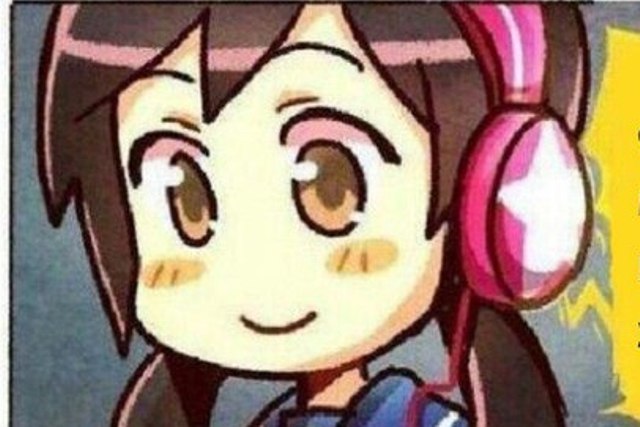
The comic consists of several panels. The first shows a girl on a bus, wearing pink headphones and with a good-natured expression. The second shows what is playing in the headphones, and, as a rule, the song is not a very good choice. Sometimes the comic adds an intermediate panel showing the heroine in headphones with no hints about her musical tastes, which strengthens the contrast that follows.
The joke rests on the gap between the heroine's appearance and her musical taste. The plot does not require knowing a specific song: it is enough for the viewer to expect an unremarkable track.
Origin
The author of the comic and the first source of publication are not established. A search by title and description produced no reliable material linking the plot to a specific artist or community. The results that came up referred to other comics and graphic novels, so the date here is given only according to the catalog: 2015.
It cannot be claimed without confirmation that the comic was created in exactly that year.
Why it became popular
The key to its popularity is the recognizable contrast. The viewer does not need to know a particular song to feel the irony: the first panel sets up expectations of a dreamy heroine, and the second overturns them.
This device is convenient to repeat, because it is easy to transfer to any situation involving choices of music, films or other pursuits that others judge unexpectedly. The two-frame format makes the joke quick to read. Apparently, this device works because the viewer fills in the character's image from external details on their own, and then experiences a slight surprise when the second panel fails to confirm those expectations.
Image and caveat
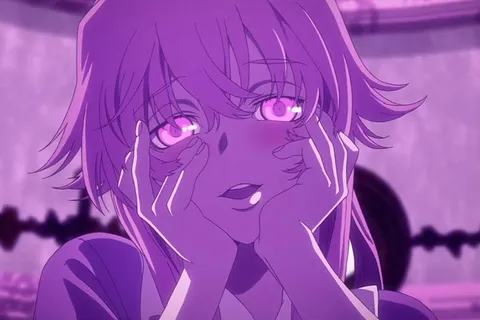
The saved file shows a close-up of the character in the style of Japanese animation: dark hair, large eyes, a slight blush and a smile. On her head are pink headphones with a white pattern on the earcups.
The frame matches the first panel of the described comic, but it shows neither the bus nor the second panel with the music. The image does not allow the plot to be checked in full, and this is noted as a caveat.
Distribution
Comics of this type usually spread between communities through captioned pictures and reposts. The original composition is preserved, but the text or character changes, and each new version adds its own details. Judging by how widely such formats spread, viewers willingly create their own versions, replacing the hero and the music while keeping the structure of the unexpected contrast between image and content.
For a Russian-speaking audience, the format is familiar from many similar series in which the contrast between a hero's image and his actions is the main source of humor.
Summary
The meme remains a simple and clear example of comic contrast. Its strength lies in its brevity: two frames and one unexpected detail. Without a confirmed source, the author cannot be named, but the plot is easy to grasp even without explanation.