What the image is made of
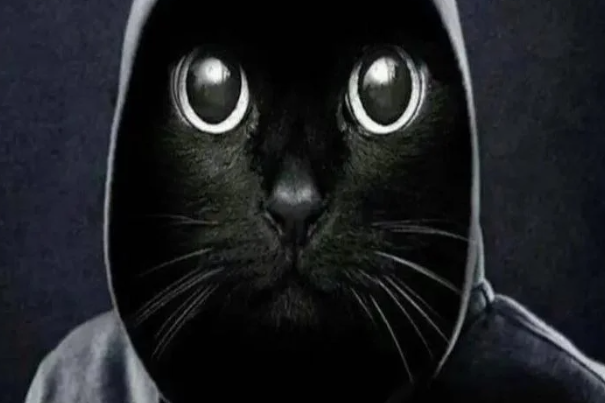
The image shows a close-up of a black cat with reflections in its wide-open eyes; a gray hood frames its head, and the background is nearly black. The meme image is built on combining this creepy muzzle with the short remark "okak" (a colloquial, slurred-together way of saying "oh, how [about that]"). Reference publications link the wave of videos from spring 2025 to early TikTok clips that used a cat in a hood, random captions, and unsettling music. Individual photos of the cat existed earlier, but this history does not prove who first added the word "okak" specifically or created each collage variant.
How the word works
"Okak" is a colloquial slurred spelling of the surprised exclamation "oh, how [about that]" (o, kak). It's short, slightly careless, and doesn't explain exactly what the character is surprised by. Paired with a dramatic cat, this creates a comic gap: the visual frame promises a threat or a supernatural event, while the caption delivers a mundane reaction. In a vertical video the phrase can appear after a setup; in a still image it works as a deadpan response to an event the reader has to imagine for themselves. The fewer extra words there are, the more clearly you can hear the bemused, almost indifferent "well, that happens."
How captions for "Okak" are built
"The courier is already at the door, and the intercom decided to update itself again. Okak." The setup creates a recognizable little catastrophe, but the final reply is far too calm for such an absurd inconvenience. It's precisely the mismatch between the tense cat and the mundane breakdown that produces the effect. The caption works as a reaction to a minor setback, not as an accusation against the courier or anyone else.
"Set an alarm for an early wake-up. In the morning discovered I'd set it for my day off. Okak." Here the word closes out a mini-story: the hero created the unexpected twist himself and meets it almost without emotion. The simpler the setup, the stronger the final brevity lands. Add a few more lines of explanation and the reaction stops sounding like a sharp meme freeze-frame.
When this cat fits
The image suits a response to a strange coincidence, an awkward surprise, or an absurd but harmless twist. It lets you acknowledge what happened without a long comment, and it often reads as light sarcasm. A serious threat, a tragedy, or a real problem calls for a different reaction: an ironic "okak" can come across as dismissive. The template works well when the people you're talking to already share this code and understand that the scary appearance is deliberately clashing with a mundane phrase. A new version just needs one fact in the setup and a short word at the end; piling on emojis or explanations changes the pacing.
What's confirmed and what isn't
Publications describe early 2025 clips with a cat in a hood, and some materials point to older footage of a black cat and a separate image of a figure in a hoodie. The photographer's identity and the date the cat photo was taken turn up in journalistic retellings, but the origin of any specific edit requires caution. It's also not established who first attached the word "okak" to the visual template; theories about the influence of other quotes and phrases are explanations, not a proven single source. For the meme's staying power, what matters more is the repeatable shot of the cat in the hood itself and the freedom with which any new "okak" gets slapped onto it, rather than the exact address of the first video.