The cockpit and the pilot's gesture
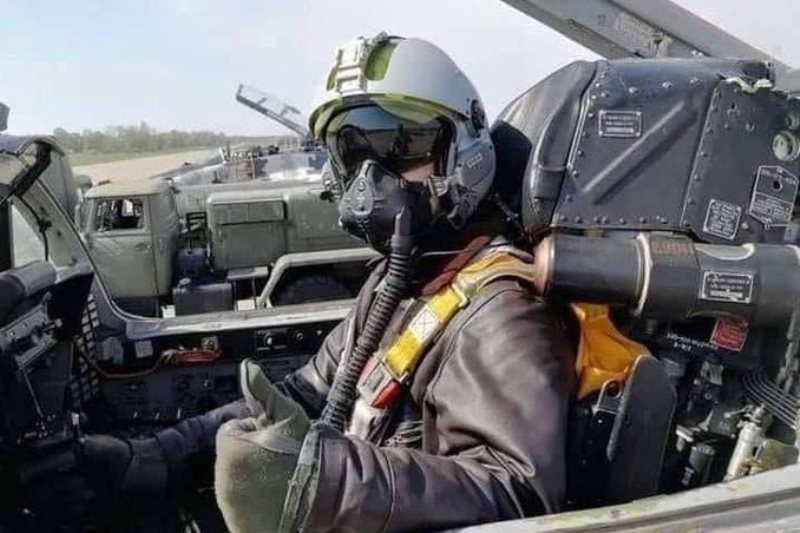
In the local image, a pilot in a helmet sits in an aircraft cockpit and raises a thumb. This is a staged or editorial photo, not independent proof of a specific combat sortie. In the first days of Russia's full-scale invasion in February 2022, social media spread reports of a mysterious Ukrainian pilot who supposedly shot down Russian aircraft over Kyiv. The story quickly became a symbol of resistance and was given the name "Ghost of Kyiv".
The legend and the official clarification
The story was spread by users and some public accounts; at the same time, images, video-game footage and unconfirmed claims about a specific pilot appeared. On 30 April 2022, the command of the Ukrainian Air Force described the "Ghost of Kyiv" as a composite image of tactical aviation pilots rather than a single confirmed individual. It also warned against confusing the legend with the real names of pilots who have died. For this reason, claims about an exact number of aircraft downed by one person cannot be repeated as established fact.
Why the hero emerged
In a crisis, societies look for clear symbols of courage and hope. The image of a pilot defending the capital is concise, visually strong and suits a slogan, an illustration or a patch. It became a form of collective imagination: not necessarily a deliberately invented campaign, but a story that expressed a real need for a heroic figure. The later official clarification does not negate the fact that Ukrainian pilots really did carry out dangerous combat missions; it corrects the specific legend of a single ace.
How the meme is used
A caption on the pilot can describe a person who "shows up exactly when needed", or a colleague who saves the team with the last working copy of a file. In gaming chats it can be a playful role for the person who spots the threat first. These examples use the archetype of the defender and do not claim any new feats of arms. If a text touches on the war, it should distinguish symbolic support, statements by military authorities and verified information about losses.
Memory and accuracy of information
The legend became part of the meme culture of the war and also an example of how an unconfirmed story can attach itself to real people. Some publications mistakenly named the pilot, and corrections were later needed. Do not repeat those identifications and do not use the image as photographic confirmation of a flight or a victory. The local image shows a pilot with a raised thumb but contains no date, geolocation or aircraft markings. A respectful account acknowledges the symbolic role of the legend and states plainly where verifiable facts end.
Some images associated with the legend were in fact video-game screenshots, old photos or staged pictures. Reusing them could unintentionally mislead audiences. An article should call a specific illustration an illustration until its origin is verified, rather than captioning any aircraft cockpit as combat footage over Kyiv. A symbolic hero and real service members are not the same thing. This distinction does not diminish the danger of military pilots' work and helps maintain trust in the description.
The verifiable correction regarding a specific pilot came from the Ukrainian Air Force itself; the legend nevertheless remained a composite image of the capital's defenders.