Decoding the abbreviation and its meaning
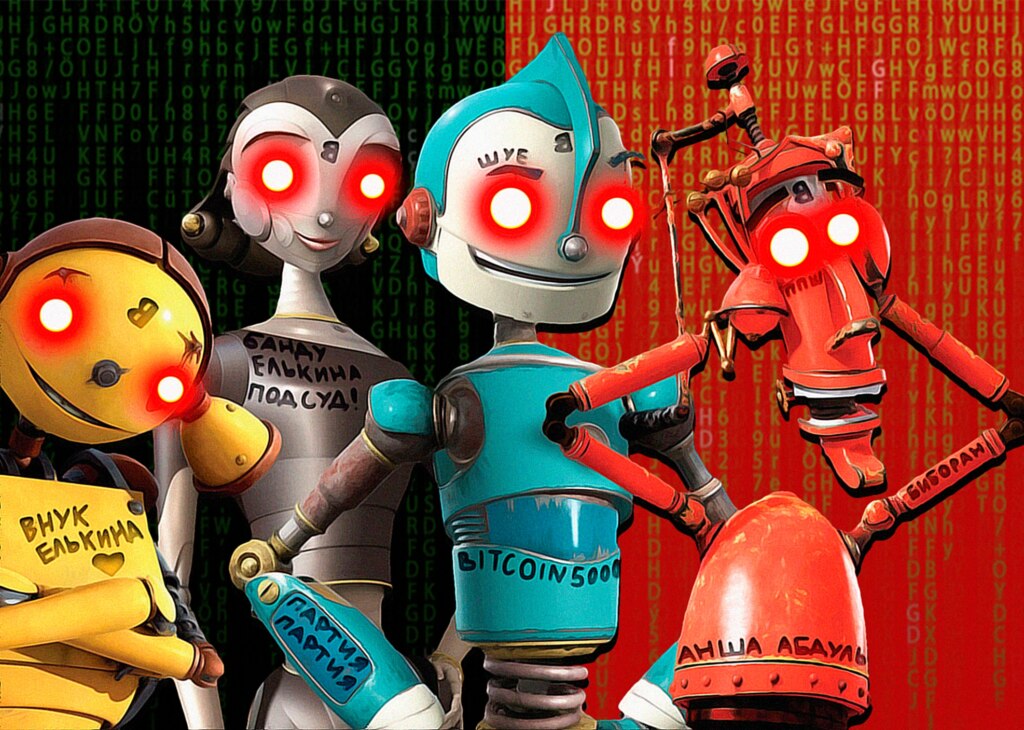
SHUE can be decoded in two ways: “Shizofrenicheskiy uklad edin” (“the schizophrenic order is one”) or “Shizoidnyy uklad edin” (“the schizoid order is one”). The formula is modeled on the earlier meme A.U.E. (“Arestantskiy uklad edin,” “the convict code is one”), except that prison romance is replaced by psychiatry at the center. PPSh here does not mean a submachine gun. It stands for “the path of the empty syringe,” that is, a deliberate refusal of medication and of any contact with psychiatrists.
Alongside the main abbreviation is a derivative, ShPSh, meaning “shizik pomogi shizu” (“the schizo helps the schizo”), a mutual-aid slogan within the community, and an even more aggressive slogan, “vlast shizam, smert sanitaram” (“power to the schizos, death to the orderlies”), aimed at the staff of psychiatric institutions as the movement’s conventional enemy.
Roots in the Abdulovera subculture
The abbreviation SHUE itself appeared only in September 2018, but the memes around it draw on a much older history. It goes back to Abdulovera, an internet religion that emerged around 2010 from the ruins of the Runet’s crude, vulgar-humor culture. At the center of the cult is the late actor Alexander Abdulov, posthumously turned by adherents into a kind of anti-hero (“Bogosatana”), and a mythical prophet named Abdul, whose real identity remains unknown.
Abdulovera flared up and faded in 2014–2016, remaining a niche phenomenon. With the rise of SHUE, interest in the old cult returned: new memes began to regularly reference Abdul, Bogosatana, and the sacred book “Biboran,” a parody of the Bible and the Quran supposedly describing Abdulov’s sins.
Yelkin’s grandson and the birth of SHUE
The formula SHUE is credited to a video blogger performing under the pseudonym “Vnuk Yelkina” (“Yelkin’s Grandson”), who is himself one of the Abdulovera adherents. According to sources, he came up with the abbreviation as a response to hateful comments under his videos, but the idea quickly took on an almost human-rights rhetoric: the movement claims that the label “schizophrenic” is used to slander people and deprive them of legal capacity or property.
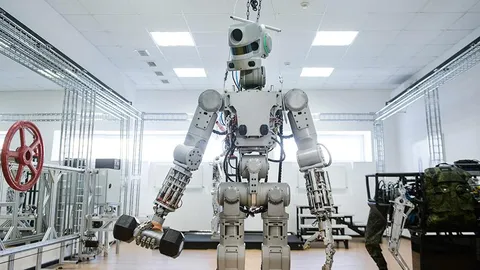
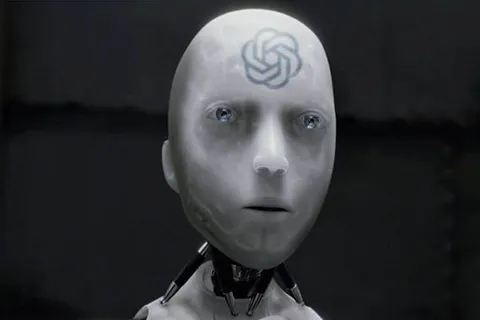
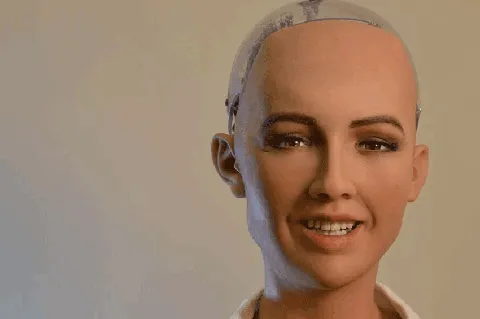
The blogger also founded a joke “Party” (“Partiya ‘Partiya’”), a movement for the full automation of labor and the replacement of humans with robots, and set up several VKontakte communities (the Russian social network), through which the main memes about shizos, orderlies, and Abdul were pushed.
The orderly, the ‘Ancient Shizos’ Counting,’ and other formats
The main visual symbol of SHUE became the “orderly,” a rage-comics-style character, a man in a cap, depicted as the collective enemy of all “shizos” and dreaming of locking them up in a hospital. Another notable format is “Ancient Shizos’ Counting,” a remake of a real, if marginal, TV program featuring the “freak scientist” Yuri Rybnikov, who seriously talked about his invented “counting of the ancient Rus’.” Internet users redubbed the numerals into an absurd, obscene “shizo” version.
Typical captions under such pictures read something like “the orderlies came again to take away the dissenters, SHUE PPSh!” or “today I refused the pills, feeling like the highest caste, ShPSh, brothers.”
Peak popularity and the community’s response
The memes about SHUE peaked in the fall of 2019, when large post-ironic groups picked them up. The format quickly spread beyond the narrow circle of “adherents of Abdulovera” and became part of a broader trend of absurdist, deliberately pointless post-irony, similar in mechanics to the Western “Clown World.”
The community members themselves repeatedly accused early publications about the movement of inaccuracies: in comments under articles about SHUE, users pointed out that “Abdulovera,” SHUE, and “Party” are not synonyms and are regularly confused by outside observers. For this reason, no single, generally accepted version of the movement’s history exists to this day.