Where the beaver from the chorus came from
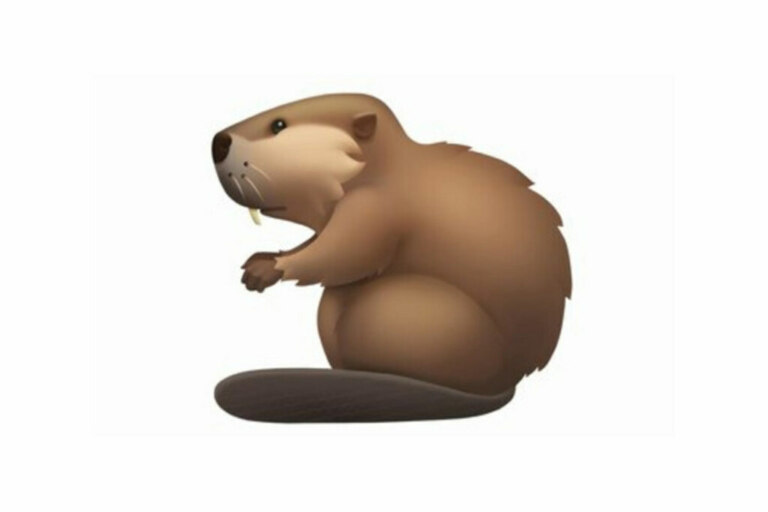
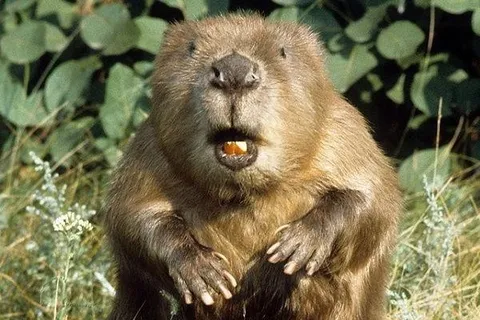
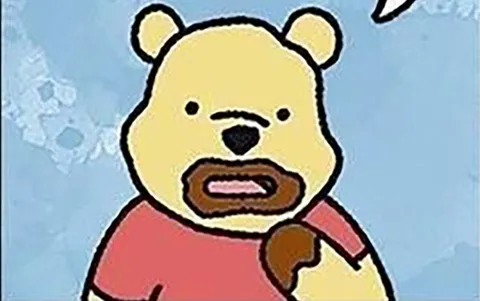
The image shows a brown cartoon beaver sitting on a dark oval base. The background is white, there's no caption or table, so the picture works as a sign for the song's character rather than a shot of a dinner scene. The exact creator of this illustration and the date it was made can't be established from available confirmation; the image shouldn't be confused with the original video or an official music video.
The song that invented the scene
The track's authors are musicians Vyacheslav Skripka and Andrei Popov. In an interview, Skripka said he first heard the music Popov sent him, then came up with the line about having dinner together with a beaver; the idea struck them both as funny and fitting the mood. The song came out in summer 2024 and gained a wide audience later. Its simple premise rests on an impossible everyday closeness between a human and a wild animal.
The chorus includes a recognizable audio clip from a Polish internet video featuring an emotional shout upon encountering a beaver, known from the meme catchphrase "Beaver, kurwa." That's a separate, earlier meme context. The song turns the unexpected exclamation and the image of a beaver into a light, melodic story about a conversation over a meal; the creators weren't obligated to put any hidden plot into it.
Why a simple song became a template
The repeated chorus is easy to recognize and syncs well with short videos. The footage often shows a pet, or a person who initially didn't want a pet and then clearly grew attached to it. The words about the beaver give the situation a kind frame: the animal becomes an imaginary companion you can have dinner with and talk through your troubles with. The comedy comes from treating a simple and slightly absurd premise with exaggerated seriousness.
The beaver image can also caption a quiet scene of shared downtime: an animal, a stuffed toy, or even an inanimate object gets cast as a companion. This transfer doesn't change any facts about real beavers and doesn't require a literal claim that they're friendly to humans. It's important not to attribute to this image an origin from a specific publication, since that isn't reliably confirmed.
Two made-up captions
"Sitting with a beaver at the table: I brought tea, he brought a twig for conversation." Here a rhyming everyday scene picks up the song's motif of a shared dinner, and the twig adds an animal touch without needing extra explanation. The picture is also captioned this way: "A coworker stopped by for five minutes and stayed for an hour — yep, sitting with a beaver, discussing renovations." Here an ordinary conversation partner turns into that very beaver at the table, and the song's motif gives the overlong chat an unexpectedly cozy tone. In both cases, the beaver remains that same imagined companion from the chorus, not a new character invented without any grounding in the song.
Where to use the image
The template suits videos about unexpected attachment, a pet, quiet shared leisure, or a conversation that ran long. The familiar chorus can be used as an emotional backdrop if it fits the scene; a standalone picture works better with a short phrase about company and comfort. There's no need to depict dangerous contact with a wild animal: the meme describes the song's fantasy, not practical advice. If the picture's origin matters for a publication, it's better to caption it with the creator's name only after separate verification.